
Choosing a Unifrost Ice Machine for Your Irish Hospitality Business
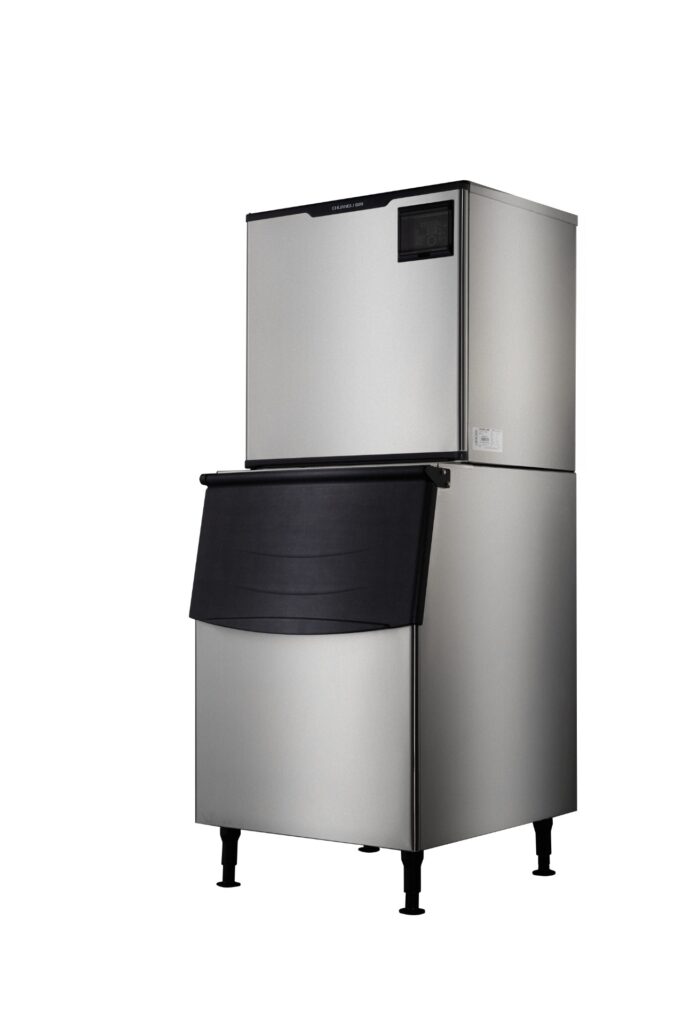
Discover the best Unifrost ice machines for Irish bars and hotels. Learn about sizing, installation, and running costs.
Choosing a Unifrost Ice Machine in Ireland: UB25-15, U40-15 or Modular Head + Bin
If you run a bar, café, restaurant or hotel in Ireland, your ice machine choice directly affects drink speed, customer experience, and how often staff are firefighting stock-outs at peak times. You are not just buying a machine, you are deciding how much ice you can reliably produce and store, and how much space, water, and power you are willing to commit.
This guide walks you through the practical checks that matter before you choose between an undercounter cube maker like the Unifrost UB25-15 (25kg per 24 hours), a larger classic cube maker such as the Unifrost U40-15, or modular head units like the Unifrost U165-125 and U230-175 paired with a separate storage bin. You will learn what to estimate for daily ice demand, when to prioritise storage over production, and how to avoid common buying mistakes like under-sizing for weekends, ignoring ventilation clearances, or choosing the wrong format for your bar layout.
You will also see what to compare when deciding on a complete set (head + bin) versus head-only or bin-only purchases, what to plan for in installation and water filtration, and which running cost and cleaning routines to factor in so your ice stays consistent and your machine stays protected.
Importance of Ice Machines in Irish Hospitality
In Irish hospitality, an ice machine is a utility, not a “nice extra”. When it goes down, you feel it straight away in drink quality, speed of service, and customer experience. Ice also needs to be treated as food in your HACCP routine. The Food Safety Authority of Ireland flags this risk in its cryptosporidium guidance, which advises operators to discard ice cubes in fridges, freezers and ice machines during an incident. That is a useful reminder that “reliable” is not just the machine switching on. It is predictable output during busy periods, and ice that stays clean and usable in the bin.
Service quality and speed depend on steady ice output
In a pub or cocktail bar, ice is part of the build for most cold serves. If production dips, you either slow the line or start rationing, and both show up at the customer side of the bar. In cafés, iced coffees, cold brew, smoothies and takeaway soft drinks are usually first to suffer. In hotels, the pinch points are banqueting, functions and busy lounge trade, where you need volume quickly and there is little opportunity to “catch up” mid-service.
Ice is a food safety and taste issue, not just a drinks issue
Ice goes into the customer’s drink, so it needs clean handling, a dedicated scoop, and a bin that is not used as general storage. When a machine is unreliable, teams tend to improvise with bagged ice, open containers, or whatever is to hand, especially under staffing pressure. That is where standards slip. A dependable machine makes the safe option the easy option.
Reliability protects margins by reducing waste and last-minute fixes
Inconsistent ice leads to remakes, weaker serves, and warm soft drinks. It also drives “panic buys” of bagged ice at the worst possible time. The hidden cost is labour: someone gets pulled off the floor to find ice, deal with meltwater, or babysit a unit that is half-performing. For most venues, that disruption costs more than getting the format and size right at the start.
It sets the baseline for what you should compare before you buy
Once you treat ice as production equipment, the buying questions become straightforward and operational:
How much ice you need over 24 hours.
How much you need stored for peak service.
Whether your space suits an undercounter machine or a modular head with a separate bin.
From there, you can compare machines on output, storage, cleaning access, and how they will cope with your busiest trading conditions.
Key Factors When Choosing an Ice Machine
Choose your ice machine the same way you’d choose any piece of cold-side kit: size it for peak trade, make sure it fits the space and workflow, then check the site services and water conditions so it stays reliable.
1. Size ice output for your busiest hours, not an average day
Start with the moment you actually run out of ice. In Irish pubs and restaurants that is usually Friday and Saturday service, functions, cocktail periods, and warm-weather rushes, not a quiet midweek.
Ice machines are rated in kg per 24 hours, but the pinch point is often “three hours at full belt”. If your venue gets big bursts, the bin capacity matters as much as the production figure.
Using Unifrost models as rough signposts: a compact undercounter cube machine like the UB25-15 (25 kg/24h) tends to suit smaller bars and cafés that need a steady top-up, while higher-volume service generally points you towards larger standalone units such as U40-15, or modular heads like U165-125 and U230-175 paired with a separate bin. If you regularly buy bagged ice to get through weekends, you are usually short on output, storage, or both.
2. Match the ice type to what you serve and how you serve it
Most venues default to cube ice because it works across spirits, mixers and soft drinks, and it holds up better in the glass than softer styles.
If your main use is food display, prep, or rapid chilling in gastronorm pans, you may be selecting ice for a different job than bar service. Be clear on the primary use before you compare machines.
Also treat ice as food. It should be made from potable water and handled hygienically. Poor water quality and poor cleaning are a food safety risk, as highlighted in the FSAI’s guidance on waterborne contamination (see this FSAI Cryptosporidium leaflet).
3. Choose between undercounter/self-contained and modular head plus bin
This is often the decision that makes or breaks day-to-day usability.
Undercounter/self-contained machines suit tight back bars, cafés, and smaller restaurants where you want ice close to service and you cannot spare floor space for a separate bin.
Modular head + bin suits busier pubs, hotels and function trade where you need higher output and more storage without sacrificing bar workstation space. For example, pairing a head such as U165-125 or U230-175 with a bin such as B175 is a straightforward way to scale storage alongside production.
If you’re mixing and matching heads and bins, check compatibility and who is responsible for commissioning. In practice, a matched setup reduces install and handover headaches.
4. Check space, ventilation and site services before you commit
Many early failures come down to siting and services rather than the machine itself. Put it somewhere staff will not block with crates, where it can reject heat properly, and where you can still reach it for cleaning and service.
Before ordering, confirm:
Power: socket location and whether a dedicated supply is required
Water: reliable potable feed and an accessible isolation valve
Drain: a proper drain route with fall. If an ice machine cannot drain consistently, it becomes a recurring problem fast
If the unit is going into a small enclosed store or a hot kitchen corner, expect lower real-world output and more stress on components. That is not a fault, it is the environment.
5. Plan for water quality, filtration and real running costs
Running cost is not just electricity. Water quality drives scale build-up, downtime and callouts, especially in harder-water areas. Hardness varies around Ireland, and even between nearby sites. Geological Survey Ireland’s groundwater total hardness mapping is a useful starting point when you’re planning filtration and descaling.
If you want reliable ice through the year, build the routine into how you operate:
keep ventilation and condenser areas clear
clean and sanitise food-contact parts to a schedule
descale based on your local water conditions
A smaller machine can be perfectly fine, but if it is run flat-out year-round or left to fur up, it will cost you in service disruption. When in doubt, buy a bit of capacity headroom.
Common Mistakes and How to Avoid Them
Irish hospitality businesses usually end up disappointed with a new ice machine for the same few reasons: they buy to the brochure output instead of their real Friday-night peak, then install it in a tight corner with poor ventilation and no water-treatment plan. Ice is a food, so if your cleaning routine and water controls are weak, you can end up with quality and hygiene issues that are difficult to put right later. The FSAI is clear that ice must be made from potable water and protected from contamination, so your water supply and handling matter as much as the machine itself (FSAI drinking water guidance). Even a good unit can struggle if hard water, staff habits, and a cramped back bar chip away at output and reliability.
Mistake 1: Sizing to average demand instead of peak service
A common bar mistake is planning ice for a “normal” hour, then getting caught on match days, live music nights, weddings, or a sunny bank holiday weekend when every second drink needs ice. When you run out, the cost is rarely just the bag of ice. It’s lost time and disrupted service. Staff end up changing drink specs, leaving the bar to buy bags, or slowing down when you can least afford it.
A better approach: size for your busiest two-hour window, not your quietest eight. Be realistic about what will change over the next year too: more cocktails, outdoor seating, carvery or table water jugs, or bigger functions. That’s also where format matters. An undercounter machine can suit a tight footprint and steady demand, while a modular head with a bin is often a better fit when you need storage and resilience during peaks.
Mistake 2: Choosing the wrong format for how you actually use ice
Undercounter and self-contained machines suit smaller kitchens and bars where space is tight and demand is consistent, typically cafés, small restaurants, and quieter lounges. Modular heads paired with a separate bin are usually a better match where storage is as important as production, such as busy wet-led pubs, hotel bars, function rooms, and cocktail-heavy service.
The avoidable mistake is buying a modular head and assuming you’ll “sort a bin later”. In practice, that can create hygiene and handling problems, plus a constant shortage during service because there’s nowhere sensible to hold ice. Matching the head and bin from the start keeps storage predictable and reduces messy workarounds.
Mistake 3: Installing in a hot, boxed-in corner and then blaming the machine
Ice machines need airflow. Common problem locations are tight back-bar voids, small stores with no ventilation, or beside hot kit like glasswashers. In those conditions, output drops and breakdown risk goes up.
Before you buy, decide the exact location. Allow proper service access, keep ventilation paths clear, and don’t treat an ice machine like a plug-in undercounter fridge. If you’re fitting into fixed joinery, measure clearances properly and plan the layout early. Sometimes the sensible choice is dictated by the space: undercounter where it must be, modular head and bin where heat and access are easier to manage.
Mistake 4: Skipping filtration and then paying for scale, taste, and downtime
Even when your mains water is potable, limescale and sediment can still shorten component life and affect ice quality. Many venues only think about filtration after the first service call, or when someone comments on “funny ice” in a drink.
Treat filtration as part of the install decision, not an optional add-on. Choose it based on your local water conditions and expected usage. If you’re on a private supply or group water scheme, you also need tighter discipline on controls and records. It’s your responsibility to show the supply is managed appropriately for food use.
Mistake 5: Treating cleaning and descaling as a “when we get time” job
An ice machine is a food-contact appliance on a water line all day. When cleaning slips, you tend to see it quickly: odours, slower production, poor release, and a bin that becomes a contamination risk through handling.
What works in busy venues is a routine that’s simple enough to stick to, and managed like any other HACCP task:
Assign an owner.
Set a frequency that matches throughput.
Keep a written log.
Train staff to use a scoop properly, not hands or glassware.
Get these basics right and your choice becomes a straightforward comparison of capacity, storage and fit, rather than a gamble under service pressure. If you’re unsure, it’s worth getting advice before you commit, especially where layout, ventilation and water quality will make or break day-to-day performance.
Matching Ice Machines to Business Needs
Choosing the right Unifrost ice machine comes down to two questions: do you need steady “top-up” ice through the day, or do you need a reserve that covers big peaks.
As a rule, the UB25-15 and U40-15 are self-contained undercounter machines. They suit tighter spaces and lower day-to-day demand because production and storage are in the one unit. Modular head units such as the U165-125 and U230-175 are designed to pair with a separate ice bin, so you can scale storage for busy weekends, functions, and summer trade.
Whichever format you choose, performance still depends on the basics: a reliable water supply, adequate ventilation, and a cleaning routine that actually gets done. If your busiest hours empty the bin, recovery time becomes the make-or-break detail.
How do UB25-15, U40-15, and modular head units compare overall?
Self-contained (UB25-15 and U40-15) are typically chosen where install simplicity and footprint matter most. They suit cafés, small bars, staff canteens, and kitchens where you want one unit to place, plumb in, and manage.
Modular head + bin (U165-125 and U230-175) is the safer option when running out of ice would slow service or hit sales. The separate bin gives you a buffer even if production is catching up after a rush.
The practical trade-off is straightforward:
Self-contained is easier to fit into a tight back bar and simpler day-to-day.
Modular is easier to plan around and scale when you have predictable peaks (Friday nights, weddings, match days).
UB25-15 and U40-15 (self-contained) for smaller, tighter sites
If you are a café doing iced coffees, a small restaurant with table water and occasional cocktails, or a pub that mainly needs ice for spirits and soft drinks, a self-contained unit is usually the cleanest decision.
The UB25-15’s defined output of 25 kg per 24 hours helps you sanity-check demand and avoid buying too small “because it’ll do for now”. It also makes it easier to set expectations internally: if the bin is being emptied mid-service, the unit is not underperforming, it is undersized for the trading pattern.
Where self-contained machines catch operators out is recovery during peak. If staff are frequently draining the internal bin, you will feel it at the worst time, and it tends to drive poor habits (using ice from the wrong place, leaving scoops where they should not be, or breaking hygiene routine under pressure).
U165-125 and U230-175 modular head units (with a separate bin) for volume and peaks
Modular setups are the typical choice where cocktail volume, mixer sales, function rooms, and outdoor trading create sharp spikes in demand. You are effectively separating two jobs: making ice and holding enough of it to ride out service.
In practice, these are often specified with a matched bin (for example, U165-125+B175 or U230-175+B175) so storage is purpose-built and hygienic, rather than relying on whatever container is to hand when the bar gets busy.
This format is also easier to plan: you can think in two numbers, production rate and storage capacity. That is the conversation you need when you are rostering for an event and you want certainty behind the bar.
Which is best for you?
Pick UB25-15 when you need a compact undercounter cube maker with a defined 25 kg per 24 h output, and your venue’s demand is steady rather than spiky.
Pick U40-15 when you want a self-contained setup and the simplicity of undercounter installation outweighs the benefits of separate storage.
Pick U165-125 or U230-175 with a bin (for example paired with B175) when running out of ice would directly affect service speed, drink sales, or guest experience in a busy bar or hotel.
If you operate in an area prone to water disruptions, build your routine around food safety as well as uptime. The FSAI advises cleaning and disinfecting water-using equipment like ice machines before re-use after a boil water notice is lifted, per their guidance: <https://www.fsai.ie/business-advice/running-a-food-business/caterers/boil-water-notice-and-food-businesses>.
Once you have the right format, the final decision usually comes down to the unglamorous details that matter in a real Irish back bar: where the heat can escape, how easy it is to clean, and how quickly it recovers when you are flat out.
Next Steps in Selecting a Unifrost Ice Machine
Evaluate your peak ice demand, decide what ice format actually suits your service, then choose the right machine layout for your space. Before you shortlist anything, confirm ventilation, water in, drainage and a cleaning plan you can run on a busy week. Ice is food. If water quality or hygiene slips, even a good machine will give trouble over time.
1. Quantify your real ice demand during peak service
Base this on when you run out of ice, not on a guess. In Irish pubs, hotels and function venues, demand usually spikes in short windows: pre-dinner, late bar trade, breakfast plus banqueting, or a wedding/function bar that suddenly goes from quiet to flat-out.
A workable method:
Pick a genuinely busy day.
Track how many full scoops or buckets you use in a 60 to 90 minute peak.
Multiply by the number of peak windows in a day.
That gives you a clearer view of the production rate you need and, just as importantly, the storage buffer that stops staff waiting on the machine mid-service.
2. Choose the ice type based on how you serve
Start with what the ice is for: drinks, display, prep, or a mix.
Cube ice suits most bar service because it stores neatly, is easy to portion, and holds up well in a busy well or ice bucket.
Flake and “soft” ice formats can suit food display and some prep jobs, but they are a different use case.
If the ice is being consumed, treat it as a food product in your HACCP plan, including handling, storage and cleaning routines, in line with EU food hygiene rules (Regulation (EC) No 852/2004).
3. Decide on undercounter versus modular head plus bin
This is usually the biggest practical decision.
Undercounter (self-contained) machines are a straightforward fit where space is tight and demand is steady: cafés, small bars, staff canteens, or back-bar setups where you want one unit that produces and stores ice.
Modular head plus separate bin is the safer route when output needs to be higher and you need stored ice ready to go for functions, weekend peaks, or venues where running out is not an option.
If you have regular events or seasonal surges, prioritise storage and recovery. Production alone does not help if the bin is empty at 10pm.
4. Sanity-check install details before you shortlist models
Most costly mistakes happen here, not on the spec sheet.
Check:
Width, depth and height, including door swing and day-to-day staff access.
Ventilation and heat rejection. If the unit is boxed into a hot corner beside cooking equipment or a glass washer, output drops and breakdown risk increases.
Water supply and drainage. If drainage is awkward, solve it upfront rather than leaving it to “we’ll make it work on the day”.
5. Plan water filtration and a cleaning routine staff will stick to
In busy Irish venues, taste complaints and many service calls trace back to water quality and missed cleaning, rather than the machine itself.
Keep it practical:
Assign ownership for daily basics (wipe-down, correct scooping and keeping the bin clean).
Put deep-clean and descale into a scheduled checklist that actually gets used.
If you fit filtration, choose something you can service easily and budget for cartridge changes.
The aim is consistent ice quality and fewer call-outs, without turning filter changes into another forgotten job.
6. Map your needs to current Unifrost options and create a shortlist
Use your peak-demand estimate, service style and install limits to narrow the choices, then decide how much headroom you want for busy weekends and events.
For a compact undercounter cube maker for steady day-to-day output, start with Unifrost UB25-15 (25kg/24h undercounter cube maker).
For a step-up cube maker, consider the Unifrost U40-15.
For higher output with proper storage buffer, shortlist modular combinations such as Unifrost U165-125 or U230-175 paired with a compatible Unifrost ice storage bin, commonly sold as sets like U165-125+B175 and U230-175+B175.
Once you have two realistic options, you can compare the factors that decide whether it works in your venue day after day: recovery during peak, storage access, cleaning workload, ventilation, water treatment and how it fits your bar or kitchen workflow.
Integration into Unifrost Ecosystem
An ice machine is rarely a standalone decision. It changes heat load, airflow and workflow around your back bar or prep area, and that can knock on to bottle coolers, undercounter fridges and even the glasswasher. SEAI guidance for Irish SMEs keeps coming back to the basics that cost operators money: refrigeration needs clear airflow so it can reject heat properly and run as intended (SEAI SME Guide to Energy Efficiency).
In a small pub, an undercounter cube maker can be the practical answer. In a busy hotel bar, a modular head with a separate bin is often the only sensible way to protect service speed, even though both options “make ice”.
How an ice machine affects your wider refrigeration plan
In most Irish venues, the ice machine ends up squeezed in beside bottle coolers, undercounter fridges and the glasswasher. That means it competes for ventilation, power points, drainage and cleaning access.
Self-contained ice makers reject heat into the room. Put one into a tight back bar and you can raise the ambient temperature around nearby fridges. When that happens, they cycle harder and have less headroom to pull down quickly after repeated door openings. This is where leaving clearance around vents stops being a tidy-install detail and becomes a running cost and reliability issue, as SEAI highlights.
If you already run Unifrost refrigeration, keeping ice in the same range makes it easier to plan the space as one system. Layout, cleaning access and support are simpler when you are not trying to mix incompatible footprints and service requirements. It also helps you scale in a predictable way, from compact units like the UB25-15 (25 kg per 24 hours), through a straightforward cube maker format like the U40-15, up to modular head units such as the U165-125 and U230-175 with a separate bin.
Using Unifrost formats to build capacity without rebuilding the bar
The most common buying mistake is sizing for a quiet midweek service. If weekends, functions or cocktail trade are growing, you need to plan for peak, not average.
A modular head plus bin can be the better long-term layout because production and storage are separated. You can size the bin for the rush, so you are not relying on the machine to “catch up” while the orders are stacking up.
Unifrost modular ice machines are commonly supplied as head-only units or as sets with compatible bins, for example U165-125+B175 and U230-175+B175. In practice, the bin footprint and how staff access it often decides whether the setup works. Ice that is close to point-of-serve without blocking movement is usually worth more than saving a small amount on the machine.
Standardising hygiene and water treatment across sites
Ice is a food. From a HACCP point of view, you want the ice routine to be boring, consistent and easy to supervise. Standardising on one brand and a small number of formats helps you keep one cleaning method, one training approach, and a repeatable plan for filtration and descaling. The FSAI’s hygiene and cleaning guidance is a solid reference when you are building cleaning checks into daily and weekly routines (FSAI).
Hard water and limescale are a real Irish operating issue, but filtration is not one-size-fits-all. The right setup depends on your local supply and how much ice you produce. Treat water treatment as part of the spec, not an add-on, because scale and poor water quality increase cleaning time, raise breakdown risk and can lead to inconsistent cubes, which then shows up in drink quality and wastage.
A practical way to think about “ecosystem fit” before you buy
Start with service pressure: peak drinks per hour and how central ice is to your offer (cocktails, spirits and mixers, soft drinks, seafood display).
Check heat and airflow: where the machine will reject heat, and whether it will affect nearby bottle coolers, undercounter fridges or a small bar store.
Match format to footprint and demand: UB25-15 for compact undercounter needs, U40-15 for a simple cube maker format, or a modular head (U165-125, U230-175) plus a bin where storage and peak volume drive the decision.
Be realistic about upkeep: cleaning access, filtration and who owns the routine during a busy shift.
Once the “ecosystem fit” is clear, comparing machines becomes much simpler because you are judging them on the things that decide performance in your venue, not just the headline output figure.
FAQs: Unifrost ice machine Ireland buying and maintenance
What is the ideal ice output for an Irish café?
Most cafés are best served by sizing for your busiest 2 to 3 hours, not your average day. As a rule of thumb:
Small coffee-focused café (iced coffees, soft drinks): a compact undercounter cube maker such as the Unifrost UB25-15 (25kg/24h) is often sufficient.
Busy café with brunch and steady cold drinks all day: step up to a larger self-contained cube machine such as the Unifrost U40-15.
Café that also runs cocktails, events, or high-volume takeaway drinks: consider a modular head + storage bin setup (for example U165-125 or U230-175 paired with a compatible bin) so you can build a buffer of ice for peaks.
If you regularly run out of ice, it is usually a storage and peak-demand issue, not just daily production. In those cases, modular systems with a separate bin are often the simplest fix.
Should I buy a full ice machine set or individual components?
Choose based on whether you need simplicity now or flexibility later:
Buy a full set (head + bin) if you want a quicker, lower-risk decision and a proven pairing. In Ireland, modular Unifrost systems are commonly supplied as sets such as U165-125+B175 and U230-175+B175.
Buy individual components if you are upgrading in stages or replacing like-for-like. For example, you might keep an existing compatible bin and replace only the head, or vice versa.
Before buying separately, confirm compatibility, footprint, and matching head-to-bin configuration. A mismatched combination can create installation headaches (alignment, fit, and access for cleaning) even if the machine “technically” works.
How do Unifrost modular systems compare to other brands?
Unifrost modular ice machines typically compare well on the things that matter day-to-day in Irish hospitality: scalability, service access, and straightforward head + bin configuration.
When comparing against other brands, focus on practical points rather than brochure features:
Capacity planning: modular systems let you increase storage by choosing an appropriate bin, and they suit venues with peaks.
Serviceability: check access for cleaning and maintenance, and the availability of local support and parts.
Running reality: compare expected water quality needs (many sites benefit from filtration), cleaning time, and how easily staff can keep the bin hygienic.
If you are choosing between UB25-15, U40-15, and a modular option like U165-125 / U230-175, the key difference is usually whether you need built-in storage (undercounter) or a larger, separate storage buffer (modular) for busy periods.
What type of ice should I choose for optimal drink service?
Match the ice to the drinks you sell most, and the speed you need at service:
Standard cubes: the safest all-round choice for cafés, bars, and restaurants. They chill quickly and are easy for staff to portion consistently.
Larger/denser cubes (when available): better for premium spirits and cocktails where you want slower melt and less dilution.
Nugget/pebble ice: popular for soft drinks and casual serve because it is chewable and fills cups well, but it melts faster.
Flake ice: best for food display and prep rather than drinks.
If your goal is “optimal drink service” for most Irish cafés and pubs, cube ice is usually the best balance of speed, drink quality, and versatility.
How frequently should my ice machine be descaled?
Plan on descaling every 1 to 3 months, depending on usage and water hardness. In practice:
High-volume sites or hard-water areas: aim for monthly.
Typical cafés and restaurants: every 2 to 3 months.
Do not wait for obvious symptoms. Scale build-up can reduce ice production and cause breakdowns. Pairing the machine with appropriate water filtration and keeping up with regular cleaning of the bin and contact surfaces will usually extend the time between deep descaling visits and keep ice tasting clean.
Next step: shortlist the right Unifrost ice machine
If you know your rough daily demand and whether you want an undercounter unit or a modular head plus bin, the next step is to compare current models side by side.
You can browse Unifrost ice makers on Caterboss to see the available options and decide which setup best fits your bar, café, restaurant, or hotel.
Related Unifrost guides
Compare models, maintenance advice and support information related to this topic.
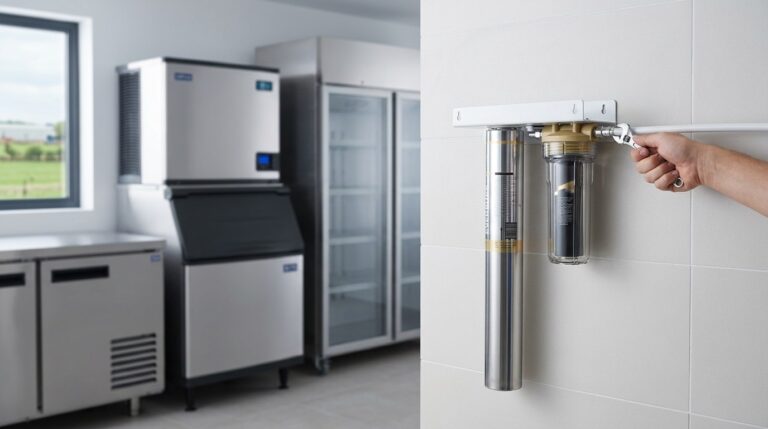
Unifrost Ice Machine Water Filter Scale Prevention Guide
Discover optimal water filter maintenance for Unifrost ice machines to prevent scale and enhance performance.
Read guide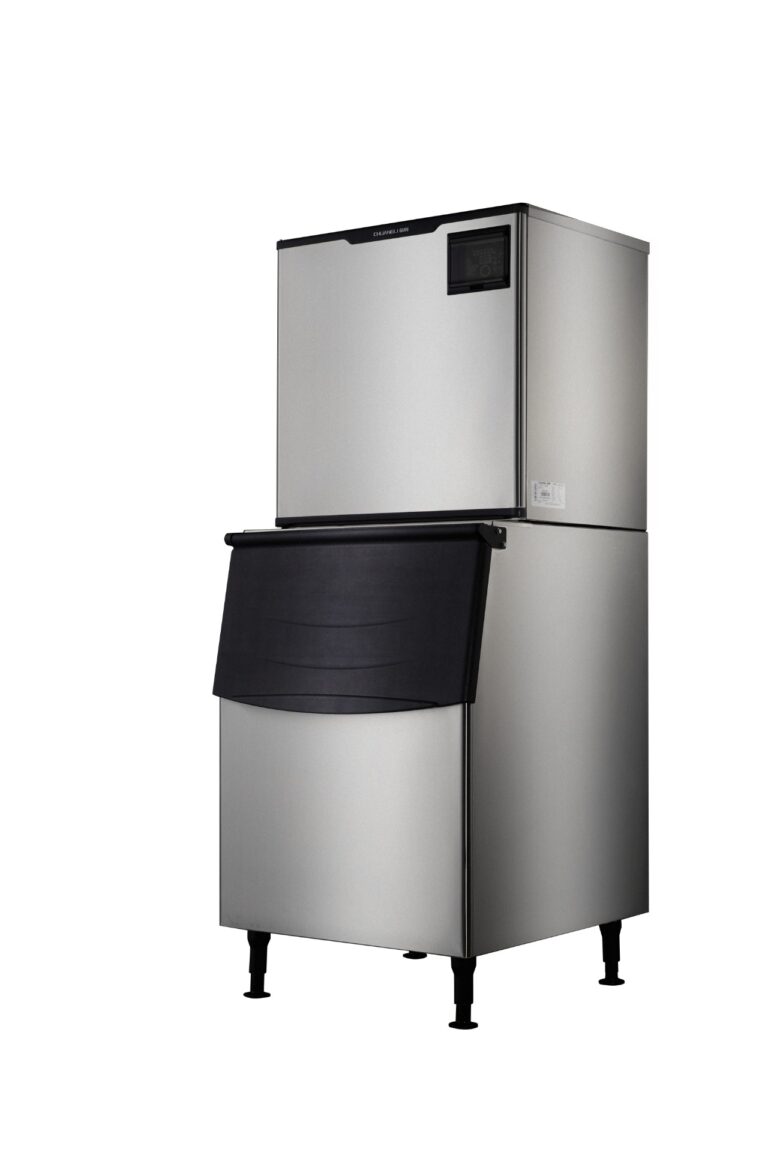
Unifrost Compact Ice Makers: A Comprehensive Guide
Discover efficient Unifrost compact ice makers for Irish bars. Learn about capacity, installation, and maintenance needs.
Read guide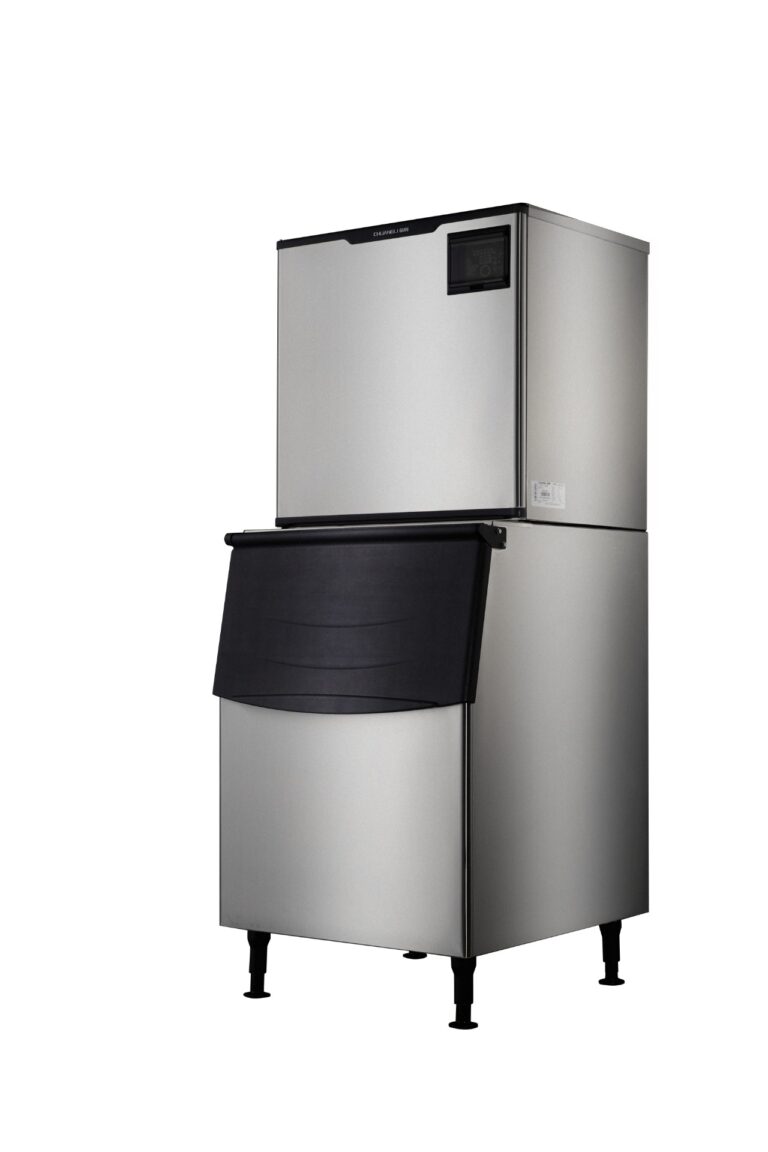
Choosing the Right Unifrost Ice Maker Machine for Your Business
Select the ideal Unifrost ice maker for your Irish business. Understand production capacities and venue requirements in our comprehensive guide.
Read guideView Unifrost ice machines at Caterboss
For current product options, pricing and availability, continue to Caterboss.