
Can a dirty condenser affect ice production?
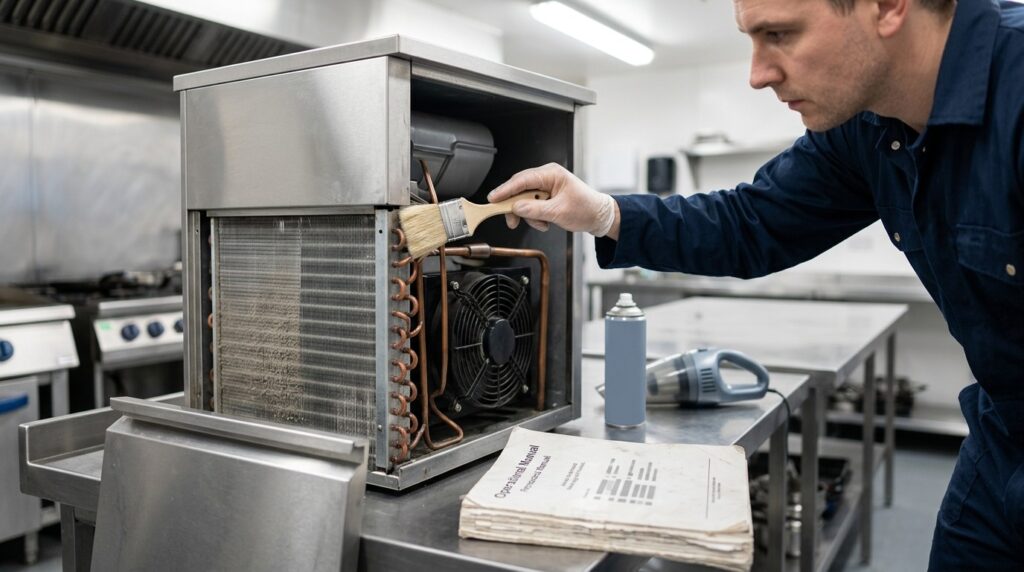
Yes. A dirty condenser reduces heat rejection, which can cause:
Need more detail? For model comparisons, setup steps and troubleshooting, see the related guides below.
Yes. A dirty condenser reduces heat rejection, which can cause:
Longer freeze cycles (so output drops)
Smaller or incomplete cubes
High-temperature safety trips where the machine stops making ice altogether
Practical fix: isolate power, then brush/vacuum the condenser fins (and clean surrounding intake areas) on a routine basis. If the condenser is grease-laden or hard to access, it is worth booking a professional clean because bent fins and blocked airflow are common causes of recurring “not making ice” complaints.
Read the full guide: Troubleshooting: Unifrost Ice Machine Not Making Ice.
More help with this question
Compare models, maintenance advice and support information related to this topic.
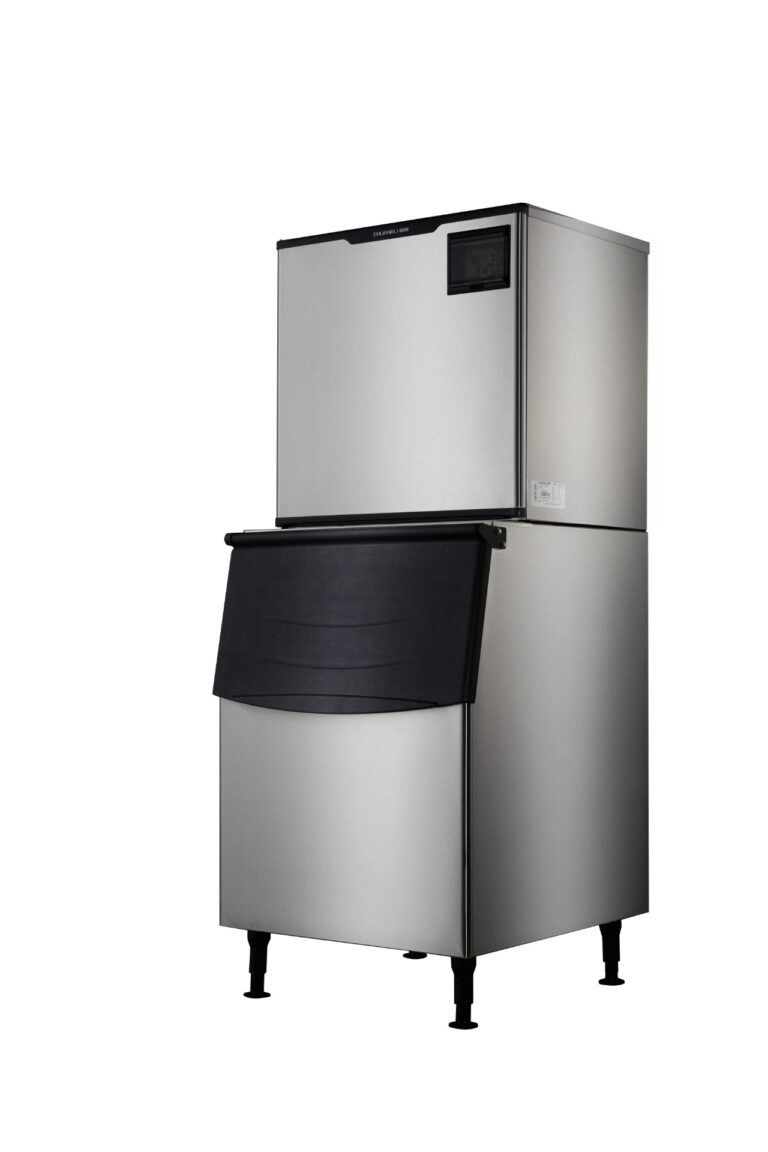
Troubleshooting: Unifrost Ice Machine Not Making Ice
Learn how to diagnose and troubleshoot common issues if your Unifrost ice machine stops making ice.
Read guide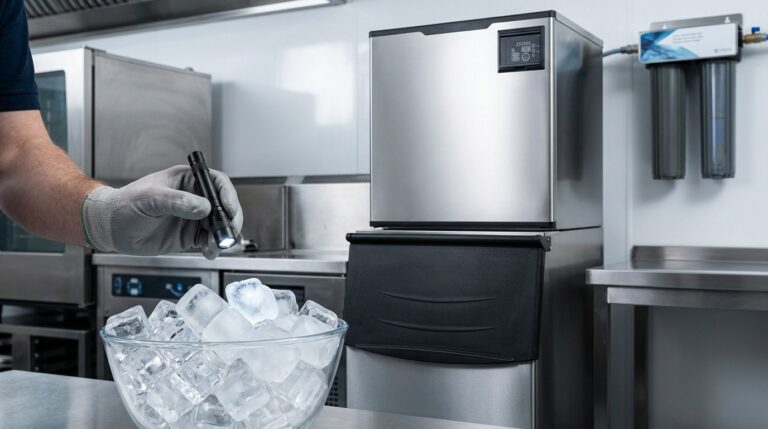
Troubleshooting Cloudy Ice with Unifrost Ice Machines
Learn why your Unifrost ice machine produces cloudy ice and how to resolve it with practical maintenance advice.
Read guide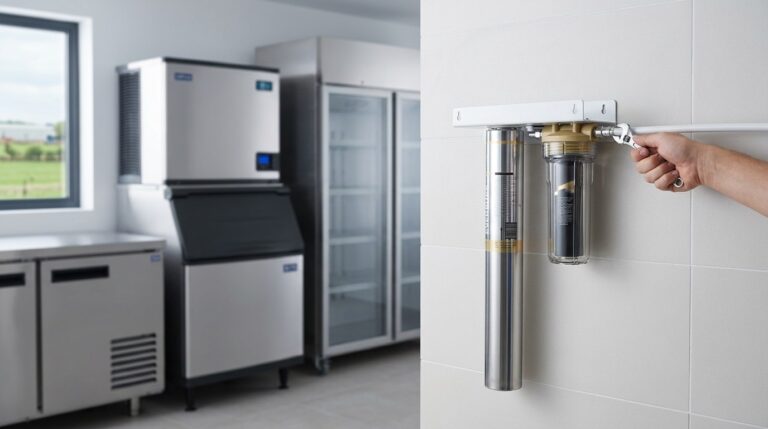
Unifrost Ice Machine Water Filter Scale Prevention Guide
Discover optimal water filter maintenance for Unifrost ice machines to prevent scale and enhance performance.
Read guide