
Do compact ice makers require special installation?
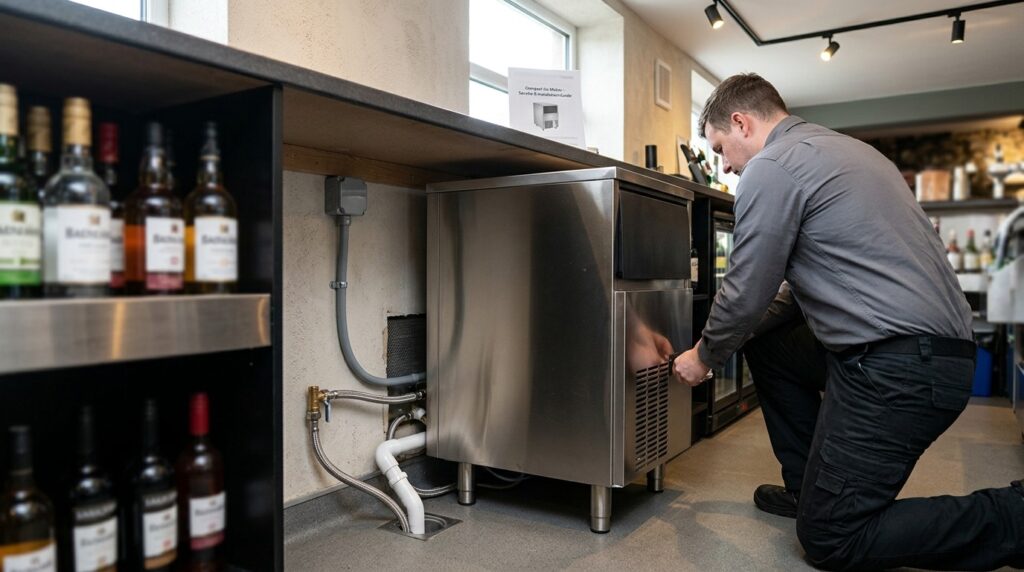
Most compact commercial ice makers are straightforward to install, but they do need the basics done correctly:
Need more detail? For model comparisons, setup steps and troubleshooting, see the related guides below.
Most compact commercial ice makers are straightforward to install, but they do need the basics done correctly:
Water supply: a suitable cold-water feed and an isolating valve.
Drainage: a correctly sized drain with the right fall, or a drain pump if gravity drainage is not possible (site-dependent).
Ventilation: leave space for airflow and keep the condenser area accessible for cleaning.
Power: a dedicated, correctly rated electrical supply installed to local standards.
If you are placing a compact ice maker under a tight counter or in a back-bar, confirm clearances and service access before you buy, as poor ventilation and awkward access are two of the biggest causes of low output and expensive callouts.
Read the full guide: Unifrost Compact Ice Makers: A Comprehensive Guide.
More help with this question
Compare models, maintenance advice and support information related to this topic.
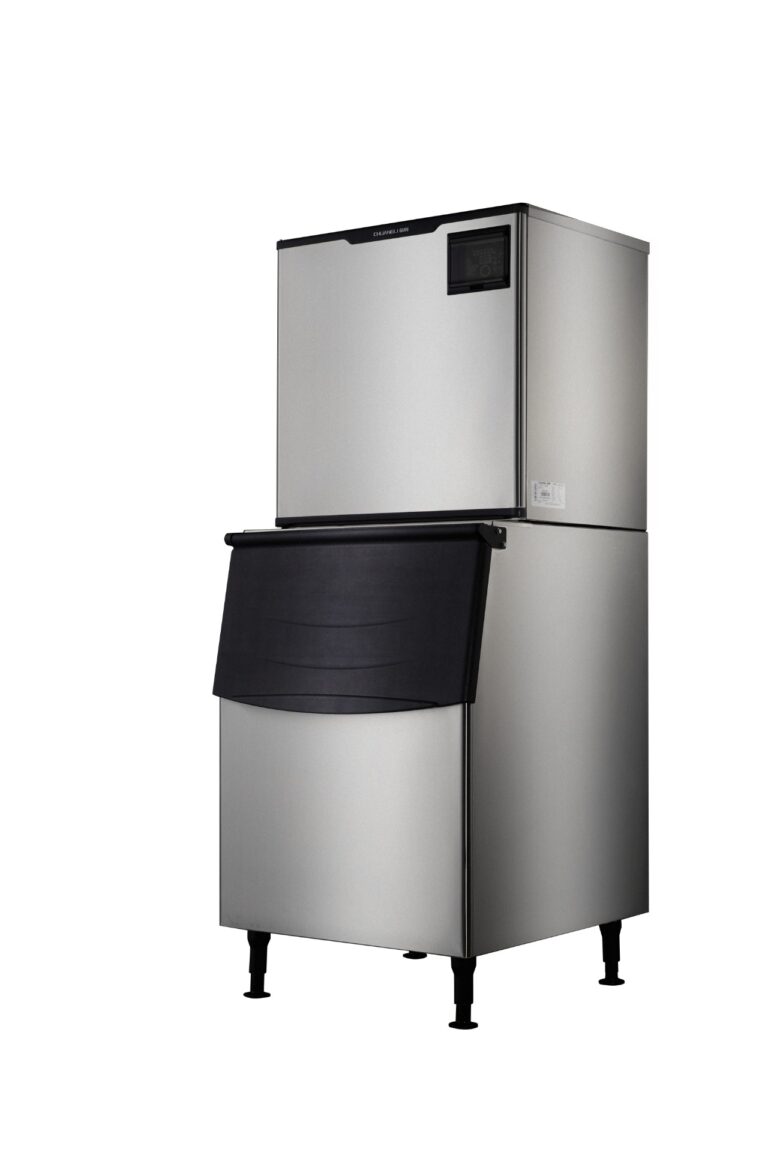
Unifrost Compact Ice Makers: A Comprehensive Guide
Discover efficient Unifrost compact ice makers for Irish bars. Learn about capacity, installation, and maintenance needs.
Read guide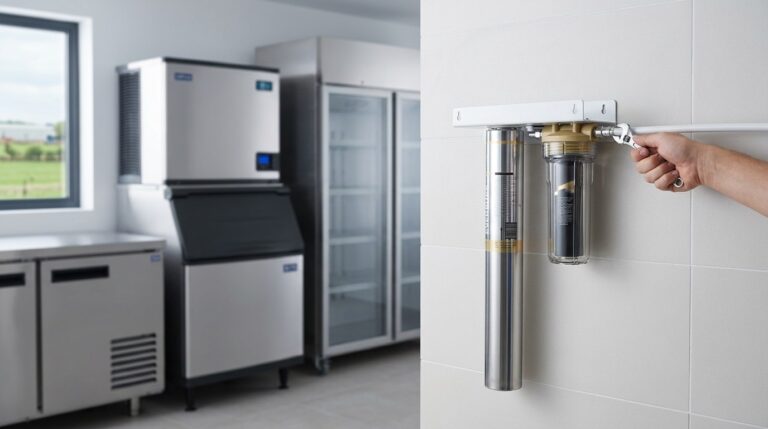
Unifrost Ice Machine Water Filter Scale Prevention Guide
Discover optimal water filter maintenance for Unifrost ice machines to prevent scale and enhance performance.
Read guide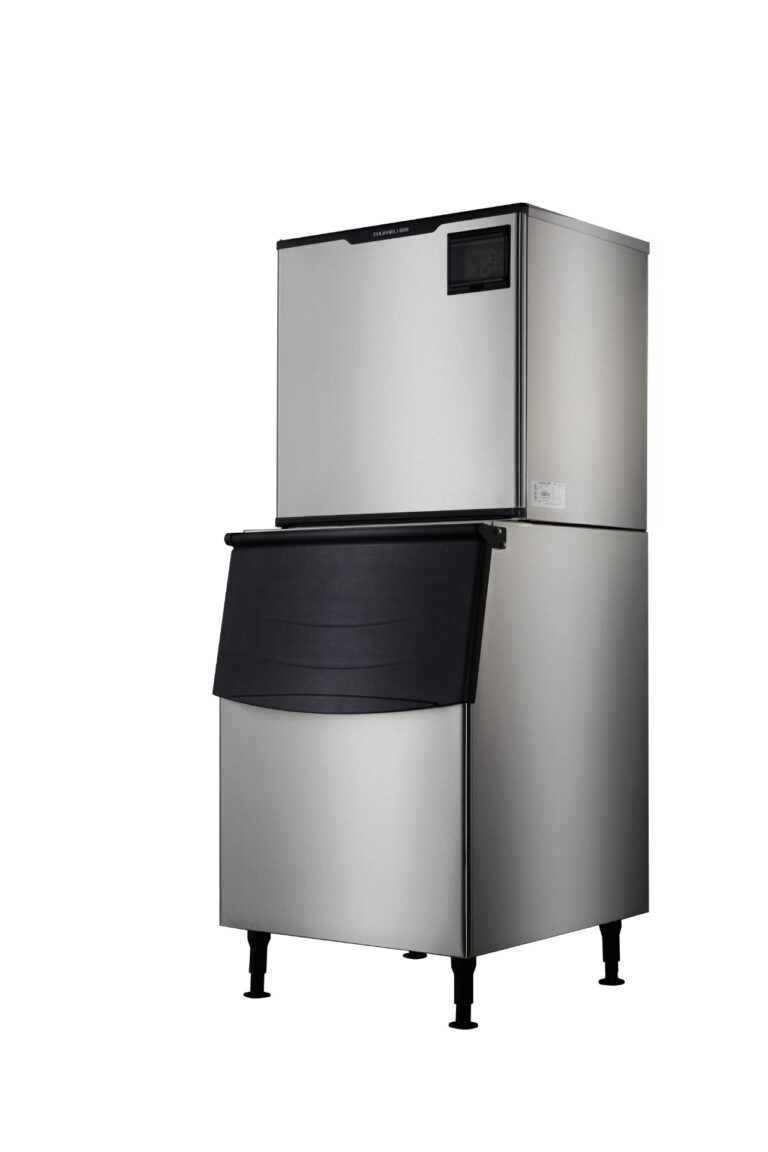
Choosing a Unifrost Ice Machine for Your Irish Hospitality Business
Discover the best Unifrost ice machines for Irish bars and hotels. Learn about sizing, installation, and running costs.
Read guide