
Unifrost Compact Ice Makers: A Comprehensive Guide
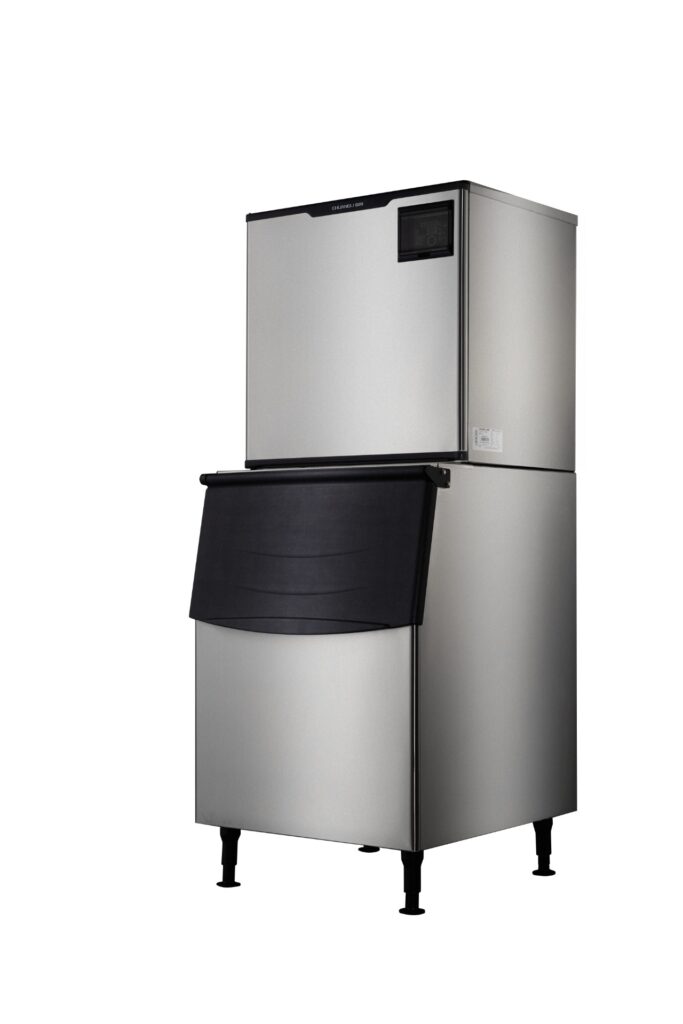
Discover efficient Unifrost compact ice makers for Irish bars. Learn about capacity, installation, and maintenance needs.
Unifrost Compact Ice Makers: Choosing Between the UB25-15 and U40-15
You need a compact ice maker when bar space is tight but ice demand is non negotiable. The right choice protects drink speed, product quality, and labour by keeping you out of the cycle of running to the freezer or buying bagged ice during peak service.
This guide helps you shortlist the Unifrost compact commercial options in scope, the UB25-15 Ice Cube Maker 25Kg/24H and the U40-15 Classic Ice Cube Maker, and make the real buyer decisions: how much output and internal bin storage you actually need, what ventilation and ambient conditions your back bar can support, whether your site setup suits the required water supply and drain, and what filtration and cleaning routine you must commit to to keep performance steady.
You will also see the tradeoffs between going compact versus stepping up to a larger undercounter or modular head and bin, plus the common mistakes that lead to soft ice, low production, or an empty bin right when service is busiest.
Why Compact Ice Makers Matter for Commercial Use
Compact ice makers matter because they let you produce food-safe ice on-site without giving up the back-bar or prep space you need to trade. In Irish bars, cafés and small hotels, ice demand tends to spike at the same time as labour pressure. That is exactly when bought-in bags or “we’ll grab some from the freezer” falls apart.
The other point is hygiene. Ice is handled like any other food ingredient in day-to-day practice, so you need a setup you can clean, manage and control. The catch is that “compact” does not mean “fit anywhere”. Output and reliability still depend on ventilation, ambient heat and water quality.
The space-saving benefit is really a workflow benefit
In a tight back-bar, the real cost is not the footprint. It is the disruption when staff have to leave service to fetch ice, break up bags, or raid a food freezer. A compact undercounter unit puts ice where it is used. That cuts steps during peak rounds and keeps the glass and garnish station moving.
That is why compact undercounter machines like the Unifrost models in scope (UB25-15 and U40-15) tend to suit smaller venues that do not have room for a separate head-and-bin setup, but still need a proper commercial unit rather than a domestic countertop box.
Compact machines help you keep ice handling tidy and defensible
Ice is easy to overlook because it looks clean. In practice, it is a ready-to-consume ingredient, with the usual handling and cross-contamination risks. A compact commercial machine gives you a defined system: enclosed storage, a dedicated scoop, and surfaces you can clean to a routine. That is a more controllable setup than open bags, ice left near sinks, or staff scooping with glassware.
If you are tightening HACCP checks around equipment and cleaning routines, it also helps to treat ice handling as part of your wider workplace controls. Irish employers are expected to identify hazards and manage risk through documented practices, as set out by the Health and Safety Authority’s requirements for risk assessment.
Efficiency and running costs: compact is not automatically “cheap to run”
A compact ice maker can be the most sensible option for smaller daily volumes, especially where you do not want to run a larger system just to cover occasional peaks. But placement matters. If you squeeze an air-cooled unit into a hot, tightly packed back-bar with poor airflow, it can lose output and run longer cycles. That usually means higher electricity use and more heat dumped into the same space.
In practice, choosing a “compact ice maker” quickly becomes less about whether it fits under the counter and more about where it will breathe, where the heat will go, and whether you can access it for cleaning and routine maintenance.
Key Factors When Choosing a Compact Ice Maker
Choose a compact ice maker the same way you’d choose any piece of back-bar kit: size it for peak service, then confirm the site can support it (space, ventilation, water in, drain out and power). After that, pick an ice style that suits how you actually serve, and make sure your storage keeps pace so you’re not running out mid-round. Finally, plan water quality and cleaning from day one. Ice is a food, so it should be made from potable water and handled under your food safety controls, in line with Irish food hygiene expectations (see FSAI Guidance Note 16).
1. Size for peak service, not the “average day”
A compact ice maker is judged on the 60 to 90 minutes when demand spikes. In a pub, that might be a weekend cocktail run plus a wave of gin and tonics. In a café, it can be a warm Saturday with iced coffees and soft drinks, when no one has time to keep checking the bin.
Before comparing compact outputs (for example, 25 kg/24h class versus 40 kg/24h class), do a quick reality check:
How many drinks do you serve in your busiest hour?
What share of those need ice?
How many scoops of ice does that translate to for your glassware and serves?
Daily production figures are a useful starting point, but they are tested under controlled conditions. In a warm, tight back bar, real output will drop. If your busiest hour can empty the internal bin, you’re effectively buying an ice maker plus a storage plan.
2. Match ice type to what you serve and how you work
Ice choice affects speed of service, consistency in the glass, and waste. For mixed drinks behind a tight bar, consistent cubes are usually easiest to portion and keep the place tidy. If you need ice for food display (seafood, deli pans or buffet use), the requirement can be completely different and may point you away from compact cube machines.
Keep it practical: glassware size, your cocktail spec, post-mix volumes and staffing matter more than chasing “perfect” ice. If most of your ice is scooped for mixed drinks, prioritise consistent cube production and an internal bin that’s straightforward to clean.
3. Check the site realities: space, ventilation and heat
Undercounter ice makers often end up in tough conditions: cramped back bars, beside a glasswasher, with warm air and no breathing room. That’s when output falls and call-outs rise. Before choosing between outputs, confirm the unit will have the airflow it needs and won’t be pulling in hot air or steam all day.
If you’re deciding between two compact sizes for a tight bar run, the key question is often not “which makes more ice?”, but “which one will actually perform in the space I’ve got?”. Poor ventilation can make a bigger-rated machine behave like a smaller one in day-to-day trading.
4. Sort water and drainage early (to avoid expensive surprises)
In Irish hospitality installs, plumbing is often the deciding factor, not the brochure spec. You need a reliable cold water feed, and a drain arrangement that works where the machine is going.
Gravity drain: simplest, but only if you have a nearby gully at the right height.
Pump setup (where needed): can solve awkward drainage, but adds noise, maintenance and another failure point to manage.
Cooling method matters too. Air-cooled units suit most small bars and cafés, provided they can shift warm air away. Water-cooled can make sense in very tight or hot locations, but you need to be comfortable with higher water use and the fact that water and drainage issues become the main downtime risk.
5. Treat filtration and cleaning as part of the purchase, not an afterthought
Ice will carry whatever is in your water straight into every drink. Scale and poor cleaning shorten machine life and reduce output over time. If filtration makes sense for your supply and usage, plan it upfront. Then put a simple cleaning routine into your HACCP schedule so it happens during busy weeks, not just before an inspection.
Three operational points to keep in mind:
Most machines stop producing when the bin is full, so bin size and how you draw ice during service matters as much as the kg/24h rating.
If a compact ice maker isn’t cleaned routinely, output and reliability will drift the wrong way.
If you regularly need more ice than the internal bin can realistically hold, it can be cleaner and more reliable to move up to a modular head with a separate bin, rather than forcing a compact unit to do a job it wasn’t chosen for.
Once you’ve nailed the site constraints and the day-to-day routine, choosing between compact options becomes a straightforward commercial decision: peak cover, available space, and how much downtime risk you can tolerate during service.
Common Issues and Mistakes in Ice Maker Selection
If you choose a compact ice maker based only on the “kg per 24 hours” headline, you can still run short at peak service. That is when you end up rationing drinks, sending someone to the shop, or dumping bagged ice into the bin and watching it disappear. The daily figure matters, but it does not tell you how the machine copes with a two-hour rush, or how much ice you can hold ready to go. Ice is also a food-contact product, so production, storage and handling need to stand up to your normal HACCP routine, not last-minute top-ups.
Buying too small because “it’s only a compact ice maker”
Undercounter and back-bar machines are often the right fit for tight spaces, but the common mistake is expecting them to behave like a modular head with a separate storage bin.
Key points that catch operators out:
Storage is limited. When the internal bin is full, many machines stop producing until you draw ice down again.
Peak demand is the real test. A compact unit can look fine on paper, then struggle when you hit a short, intense rush.
Recovery time matters as much as capacity. How quickly the machine replaces what you have just used is what keeps you out of trouble on a busy Friday.
If you are comparing compact options, treat it as a workflow decision as much as a capacity one. If your service spikes, you may need more storage, a second machine for redundancy, or a move to a modular setup with a separate bin.
Putting it in a hot, boxed-in back bar with no ventilation plan
Poor placement usually shows up as reduced output and wetter, softer ice when the bar is flat out. The machine is trying to get rid of heat into a space that is already warm from bottle coolers, glasswashers and a packed compressor void.
Manufacturers specify installation conditions and clearances for a reason. From an operator’s point of view, you also need equipment to operate consistently as part of your day-to-day food safety controls. The FSAI’s guidance on food safety management systems is a useful reference point for the expectation that controls are planned and maintained, not improvised when problems appear (see FSAI guidance on food safety management systems and controls).
Skipping filtration and then blaming the machine
No filter often means two predictable outcomes: ice quality drops and limescale builds faster. That leads to more cleaning, more callouts, and a shorter gap between problems. In many parts of Ireland, hardness is a reality, and Irish Water notes that limescale is caused by hard water and can build up on appliances over time (see Irish Water on hard water and limescale).
Compact machines feel this more because you rarely have spare capacity. If the unit is down for descaling, you feel it immediately in service.
Choosing “manual fill” expectations for a plumbed commercial reality
A manual-fill countertop unit can suit very specific situations, but it is often bought as a substitute for a plumbed commercial ice maker in kiosks, caravans, and outdoor bars. The operational problem is inconsistency. You are handling water and ice more often, and you are relying on staff discipline at the exact moment everyone is busiest.
If you genuinely need portability for pop-ups, plan for it properly each time:
a safe, consistent water source
a hygienic fill method
a drainage approach that will not back up into the unit
Poor drainage becomes a hygiene problem quickly, and it is a common cause of downtime.
Forgetting drainage and service access until the day it arrives
If you do not confirm the drain type and fall before purchase, you can end up with buckets, kinks, long runs, or slow drainage. That brings leaks, smells and stoppages. It is a common issue in older pubs and city-centre units where floors are uneven, voids are tight, and a proper trapped waste is not where you need it.
Getting the footprint right is not just “will it fit under the counter?”. You also need space to:
keep airflow working
clean around the unit properly
access it for servicing without dismantling the bar
These mistakes are avoidable once you treat a compact ice maker as a small production system, with real site, water and service-flow requirements. That mindset makes comparisons easier, and it stops you buying a machine that looks right on paper but causes hassle every weekend.
Matching Ice Maker Types to Business Needs
Choosing a compact ice maker usually comes down to one question: do you need a steady “always there” supply in a tight space, or do you need enough output to recover quickly during peak service?
That is the real difference between the Unifrost UB25-15 Ice Cube Maker (25kg/24h) and the Unifrost U40-15 Classic Ice Cube Maker. The U40-15 gives you more output headroom, which matters when you hit a rush and the bin is being opened constantly. The UB25-15 suits smaller sites with a steadier draw on ice. In both cases, performance in the real world depends on basics like ventilation, ambient temperature, drainage and how the team handles the bin, not just the kg-per-24-hours figure.
How do UB25-15 and U40-15 compare overall?
Both sit in the compact commercial bracket. They are typically chosen where you want a self-contained machine rather than a modular head and separate bin.
Day to day in an Irish bar or café, the pressure point is recovery during service, especially when the back bar is already warm from glasswashers, bottle coolers and undercounter refrigeration. If staff are in and out of the bin all night, a unit that is running at its limit will feel it first.
Ice is also a food. Treat it like one: use a dedicated scoop, keep hands and glassware out of the bin, and keep storage hygienic. The Food Safety Authority of Ireland has practical guidance on hygiene controls that apply to handling ice in food businesses (see FSAI guidance linked here: https://www.fsai.ie/getmedia/8aa688dd-ebba-40d6-aa3e-51f62048be32/11246-fsai-small-meat-manufacturing-plants-fa17-accessible_1.pdf?ext=.pdf).
UB25-15
The UB25-15 is the sensible fit where you need a compact machine to sit under a counter, run predictably, and cover a modest daily requirement.
It suits coffee-led cafés and kiosks where ice is mainly for soft drinks and iced coffees, and for quieter bars where demand is consistent rather than spiky. It is also a safer choice where space is genuinely tight, because compact ice makers are quick to lose output if airflow is restricted or they are boxed in.
If you know your site rarely needs more than a steady background supply, the UB25-15’s stated 25kg per 24 hours gives you a clear planning baseline.
U40-15
The U40-15 makes more sense when your service creates peaks. Think cocktail orders landing together, rounds in a busy pub, or a hotel bar that goes from quiet to flat out in a short window.
That extra output headroom buys you recovery speed and reduces the risk of “empty bin” moments, particularly on warm weekends. If you are already close to the limit on a smaller unit, moving up within the compact range is often cheaper than the operational cost of running out of ice mid-service.
Which is best for you?
Choose the UB25-15 if your ice demand is low to moderate and predictable, and you are prioritising a straightforward undercounter fit without turning the back bar into a heat trap.
Choose the U40-15 if drinks service is a core revenue line and you expect repeated surges, especially for cocktails, functions or busy weekend trade where you cannot pause service to let the machine catch up.
Use this quick fit check before you decide:
Choose UB25-15 if demand is steady, you can live with slower recovery, and ice is mainly supporting soft drinks and occasional spirits.
Choose U40-15 if you get peak pressure (rounds, cocktails, events), you want more headroom for service speed, and you are trying to avoid running the machine at its limit.
Once you have matched output to your trading pattern, the next step is confirming site details like ventilation clearances, drainage and where the heat load sits behind the bar.
Practical Steps for Installation and Maintenance
Install a compact ice maker properly and it will usually run quietly in the background. Get the basics wrong and the same issues keep coming back: low output, off-taste ice, leaks, and scale. Start by checking the space can handle heat, airflow, water and drainage. Fit the unit level and stable, connect it to a potable supply and the correct drain arrangement, then commission it before you let the first bin go into service. Put a simple cleaning and recording routine in place from day one.
1. Confirm the site is viable before you unbox
A compact undercounter unit is often chosen for tight back-bar runs, but the location still needs three non-negotiables:
Steady power
Potable water
A drain route that will not back up at peak
For Irish compliance, treat ice as a food product made from water. Your incoming supply needs to be safe and suitable for food use, as set out in the FSAI guidance on water used in food businesses.
2. Position the machine for airflow, cleaning access, and service flow
Place the unit where staff can scoop safely without reaching across glasswashers, handwash basins or garnish prep. You also need enough room to pull the machine forward for condenser cleaning and to check for leaks.
If the ice maker is boxed in under a counter with no breathing space, expect reduced production when the bar is busy. Back bars run warm in real service, and compact machines are often the first to struggle if ventilation is an afterthought.
3. Connect water, drainage, and filtration the way the machine expects
For commercial use, plan for a permanent plumbed feed rather than manual filling. You also need a drain that can handle continuous meltwater and purge water without pooling or odours. Keep the machine level, so water flows correctly and the bin drains as intended.
If your local supply is hard, or you are already seeing limescale on site, fit appropriate filtration. Scale reduces efficiency and can cause freeze and harvest issues. In cost terms, filtration is usually cheaper than repeated call-outs and lost ice during service.
4. Commission properly and set the “first week” routine
Once installed:
Flush the water line
Run an initial cycle
Discard the first batch of ice (installation residue is common)
Assign one person to do quick daily checks in week one. Small problems like a partially closed isolator valve or a kinked drain hose show up early if you are watching for them.
Log this in your HACCP file as a simple start-up and operation check, including what to do if the unit alarms, leaks, or stops producing ice mid-shift.
5. Clean and sanitise on a schedule you can actually keep
Ice machines rarely fail with a bang. They drift into poor hygiene and lower output if cleaning slips. Your routine should cover the bin, scoop and food-contact surfaces, and it should be written down with sign-off so it survives staff changes, in line with the FSAI approach to cleaning schedules and effective cleaning stages.
Keep the workflow realistic:
Store the scoop so it is protected from splash and hands, not buried in the ice
If the machine is shut down for more than a short break, empty and wipe the bin
If you use chemical cleaners or sanitisers, follow the product label and the ice maker manual exactly. Poor rinsing or the wrong concentration is a common cause of tainted ice and damaged components.
6. Do basic preventative checks that protect output and reduce downtime
Once a week, check for dust build-up on air intakes and confirm the unit is still level and stable. Once a month, look at what is actually landing in the bin. Wet or soft ice, small hollow cubes, slow fill, and unusual noise are usually early warnings of scale, restricted airflow, or a water supply issue, not “a bad machine”.
If you rely on a compact unit for peak service, decide in advance how you will cover a failure, whether that is a backup ice source, a second small machine, or planned production into a clean, lidded container during quieter hours. That planning should feed into the buying decision: compact machines save space, but they only work well when your demand and your site conditions suit the format.
This is the groundwork for comparing compact ice maker options properly: not just what fits under the counter, but what will keep up, stay hygienic, and stay maintainable in your bar or kitchen.
Integration in the Unifrost Ecosystem
Picking a compact ice maker is less about the headline kg per 24 hours and more about how ice actually moves through your venue. In Irish operations, HACCP routines and Environmental Health expectations apply to ice like any other food. Storage, handling and cleaning can matter as much as production.
Within the Unifrost range, compact undercounter units such as the UB25-15 Ice Cube Maker 25Kg/24H and the U40-15 Classic Ice Cube Maker suit day-to-day bar and small-kitchen demand where space and labour are tight. The “right” setup changes quickly once peak service, storage needs, or downtime risk increase.
Where compact machines sit in the Unifrost Ice Makers range
Compact undercounter ice makers are the practical, space-efficient end of the Unifrost Ice Makers range. They tend to fit best in pubs, cafés, small restaurants and hotel bars where you want cubes close to service without giving up a full bay of undercounter space.
They sit alongside larger undercounter machines and modular head systems with separate bins. In simple terms:
Compact undercounter: smaller footprint, simpler day-to-day use, limited storage in the internal bin.
Modular head + bin: higher output and more storage potential, but needs more space and better planning around installation, airflow and cleaning access.
Efficiency in a real bar setup: right-sized production and less handling
In practice, the “most efficient” ice maker is often the one that reduces staff trips, decanting, and emergency bag-ice runs during a rush. Compact machines can do that well because they keep ice beside the point of use.
The main trade-off is storage. Many compact units are limited by their internal bin, so the question is whether the bin covers your peak, not whether the machine can theoretically produce enough ice over 24 hours.
Efficiency also includes food safety and waste. If ice is being tipped into open tubs, handled with the wrong scoop, or stored beside heat sources behind the bar, you increase risk and bin more ice than you think. For most Irish operators, the practical baseline for controls and routines is the FSAI’s HACCP guidance.
Compatibility and scale-up paths inside Unifrost
Compact does not have to mean short-term. You can plan a scale-up within the Unifrost Ice Makers range without changing your service workflow.
If you outgrow undercounter output, step up to a larger undercounter unit or a modular head and separate bin, such as the U165-125/U230-175 systems.
If the real issue is storage, plan for a separate bin as a buffer, using Unifrost ice bins such as B175, B275AIB, or B375, assuming your layout allows safe transfer and hygienic handling.
If uptime is your biggest risk, two smaller machines can reduce the impact of a breakdown versus one large unit, but only if you can give both proper ventilation and keep cleaning realistic for your team.
If back-bar flow matters, undercounter compact machines keep ice close to drinks service and reduce cross-traffic through the kitchen pass.
If you operate events or seasonal sites, compact units can work well where water supply, drainage and airflow are consistent each time you set up.
How to think about compact vs modular in Irish venues
For tight back-bars, compact machines like the UB25-15 or U40-15 often match the realities of Irish pubs and cocktail bars: limited undercounter runs, warmer ambient temperatures behind the bar, and constant opening during service. Modular systems usually win when ice is a core ingredient or you are feeding multiple stations, for example heavy cocktail volume, jugs, seafood display, or service across bar and floor.
A simple test is this: can you get through peak service without rationing ice, borrowing from other stations, or buying bag ice “just in case”? Once those behaviours start, you are typically past compact-only planning and into proper sizing for both output and storage. That is where the buying factors around capacity, placement, ventilation and cleaning access start to matter most.
Compact ice maker FAQs
How much ice capacity do I need for a small venue?
As a practical starting point, estimate 0.5–1.0 kg of ice per customer per day for cafés and casual food, and 1.0–2.0 kg per customer per day for cocktail-led bars or venues serving lots of iced drinks.
Then pressure-test it against your busiest 2–3 hours: if you routinely do 60–100 iced drinks in a rush, plan for a compact ice maker that can comfortably replenish while its bin is being emptied. If you are regularly running out, it is usually better to step up in daily output (or add a dedicated storage bin or second unit) than to rely on emergency bagged ice.
Which Unifrost compact ice maker is best for limited space?
For Unifrost’s compact commercial ice makers in this guide, choose based on how tight the space is and how hard you run service:
UB25-15 Ice Cube Maker (25 kg/24h): best when you need a space-saving, entry-level commercial cube maker for a small bar, café, kiosk, or low to moderate ice volume.
U40-15 Classic Ice Cube Maker: better where the footprint is still limited but you need more headroom for busy periods, higher turnover, or you want to reduce the risk of running short.
If space is extremely restricted, focus first on ventilation clearance, door swing, and access for cleaning. A slightly higher-output unit that can recover faster often performs better in real service than the smallest unit pushed to its limit.
What are the cleaning and maintenance requirements?
Plan for three layers of upkeep:
Daily: empty and wipe the bin area, keep the scoop clean, and avoid storing bottles or food in the ice bin.
Weekly: clean external air intakes and surrounding area, check the drain is flowing freely, and inspect for scale or slime in the bin and chute.
Periodic deep clean and descale: frequency depends on water hardness and usage, but many venues schedule a regular descale and sanitise routine to protect ice quality and output.
For best results and fewer callouts, fit a water filter where appropriate, and follow the model-specific cleaning method and chemicals listed in the Unifrost documentation for your machine.
Can a compact ice maker handle peak demands in busy bars?
A compact ice maker can cope with peak service if the peak is short and the machine starts with a full bin. The common failure point is not daily output on paper, but rush-hour drawdown.
To avoid running out:
Pre-chill and pre-fill: start service with the bin full and keep the door closed between scoops.
Match output to your rush: if you regularly drain the bin in the first hour, move up to a higher-output compact unit (for example, U40-15 over UB25-15) or add extra storage/backup.
Avoid heat and blocked airflow: tight back-bar spaces and high ambient temperatures reduce real-world production.
If your busiest nights routinely exceed what a single compact unit can recover, consider two compact machines for redundancy or a larger system with separate storage.
Do compact ice makers require special installation?
Most compact commercial ice makers are straightforward to install, but they do need the basics done correctly:
Water supply: a suitable cold-water feed and an isolating valve.
Drainage: a correctly sized drain with the right fall, or a drain pump if gravity drainage is not possible (site-dependent).
Ventilation: leave space for airflow and keep the condenser area accessible for cleaning.
Power: a dedicated, correctly rated electrical supply installed to local standards.
If you are placing a compact ice maker under a tight counter or in a back-bar, confirm clearances and service access before you buy, as poor ventilation and awkward access are two of the biggest causes of low output and expensive callouts.
What warranty is available for Unifrost ice makers?
Warranty can vary by model and by how the unit is installed and maintained, so the safest approach is to:
Check the warranty terms on the specific product listing and any included documentation.
Keep records of installation details, water filtration (if used), and cleaning/descale routines, as these are common warranty conditions.
If you need confirmation before purchase, request the exact warranty coverage for the UB25-15 or U40-15 you are considering from your supplier.
Next step: choose the right Unifrost compact ice maker
If you are weighing up UB25-15 vs U40-15, start by listing your busiest service window, where the machine will sit, and whether you need extra storage or a backup plan for peak nights.
Browse the Unifrost compact ice maker range here to compare options and narrow down the best fit for your venue: Unifrost Ice Makers Range.
Use the full Unifrost Ice Machines Guide next
This article answers a narrower question. The family guide is the best next step when the visitor needs the full Unifrost context around comparison, use case, and support routes.
Keep comparing inside the same Unifrost topic
These articles are the best next reads if the visitor wants a deeper product choice, maintenance, or support route from here.
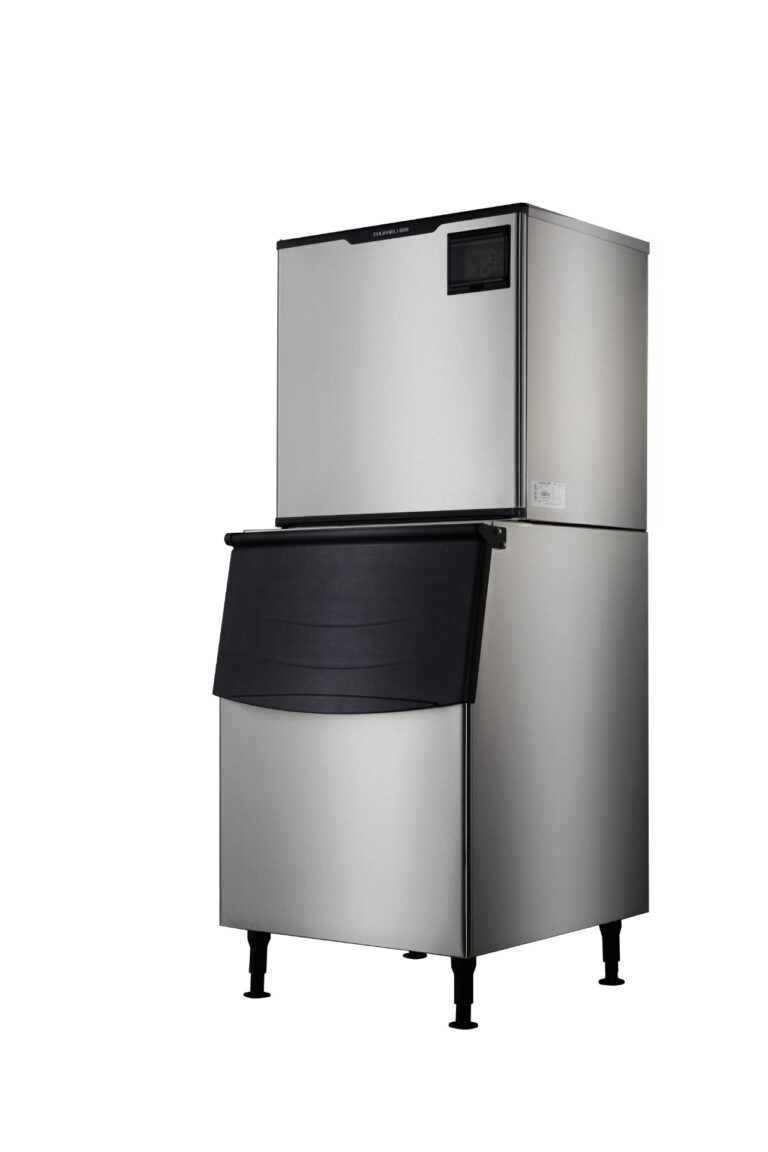
Choosing a Unifrost Ice Machine for Your Irish Hospitality Business
Discover the best Unifrost ice machines for Irish bars and hotels. Learn about sizing, installation, and running costs.
Read guide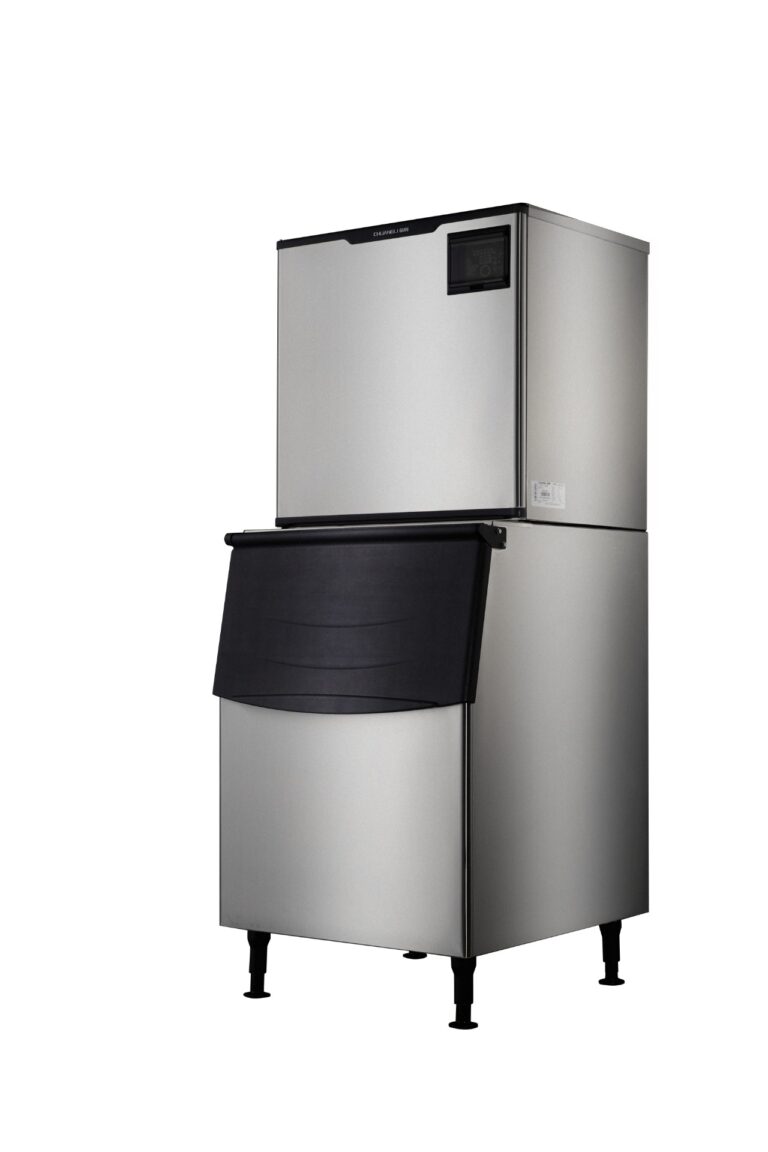
Choosing the Right Unifrost Ice Maker Machine for Your Business
Select the ideal Unifrost ice maker for your Irish business. Understand production capacities and venue requirements in our comprehensive guide.
Read guideView Unifrost ice machines at Caterboss
The article stays useful on its own, but when the reader is ready to compare real products or move into a commercial conversation, this is the clean next step.