How do I comply with HACCP using a blast chiller like the BC14U?
 FAQ
FAQ
Use the BC14U as a controlled cooling step in your HACCP flow, then back it up with simple records.
Need more detail? For model comparisons, setup steps and troubleshooting, see the related guides below.
Use the BC14U as a controlled cooling step in your HACCP flow, then back it up with simple records.
Define your cooling critical limits in your HACCP plan (time and temperature targets for cooling from cooking temperature down to chilled, or down to frozen, depending on the product).
Load for airflow: portion food into shallow trays, avoid stacking that blocks air movement, and do not overload. The goal is rapid heat removal from the core of the food.
Use a cleaned, calibrated probe to confirm core temperature, not just air temperature. Record start temperature, end temperature, time, product name, and operator.
Move to the right holding equipment immediately: once chilled, transfer to a refrigerator for storage; once frozen, transfer to a storage freezer like the F410SS. Label with date, batch, and use by.
Keep routine checks: daily cabinet temperature checks, cleaning schedules, and probe calibration checks form part of your verification.
If you are currently cooling hot food in standard refrigeration, updating the process to blast chill can be one of the quickest ways to strengthen HACCP compliance and reduce cooling related incidents.
Read the full guide: Unifrost F410SS vs BC14U: Blast Chiller and Freezer Comparison.
More help with this question
Compare models, maintenance advice and support information related to this topic.
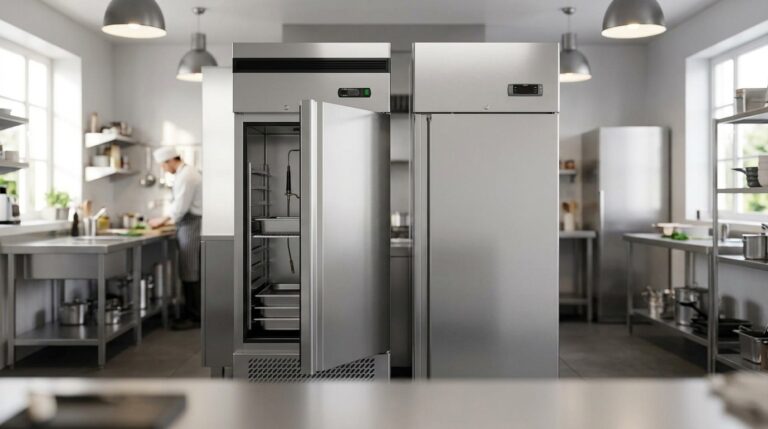
Unifrost F410SS vs BC14U: Blast Chiller and Freezer Comparison
Compare Unifrost F410SS freezer and BC14U blast chiller for Irish kitchens. Evaluate HACCP compliance, costs, and workflow fit.
Read guide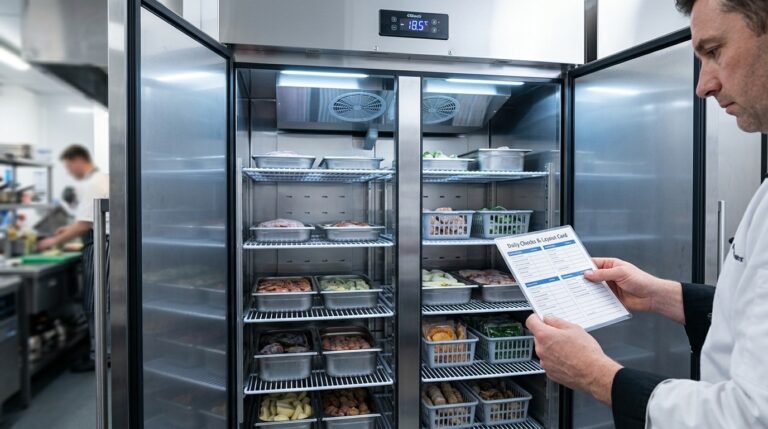
Unifrost F410SS Upright Freezer: Quick Start Guide for Hotels
Get started with the Unifrost F410SS in your Irish hotel. Temperature setup, layout guidance, and quick checks for optimal freezer use.
Read guide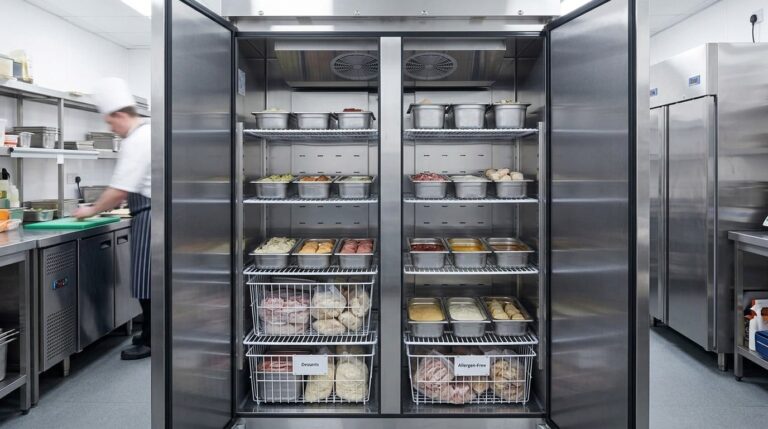
Unifrost F410SS Upright Freezer Planning Guide for Irish Hotel Banqueting Kitchens
Plan your F410SS freezer layout for efficient high-volume banqueting in Irish hotels. Optimize GN pans and workflow.
Read guide