
Unifrost Undercounter Fridge & Freezer Cleaning: Best Practices
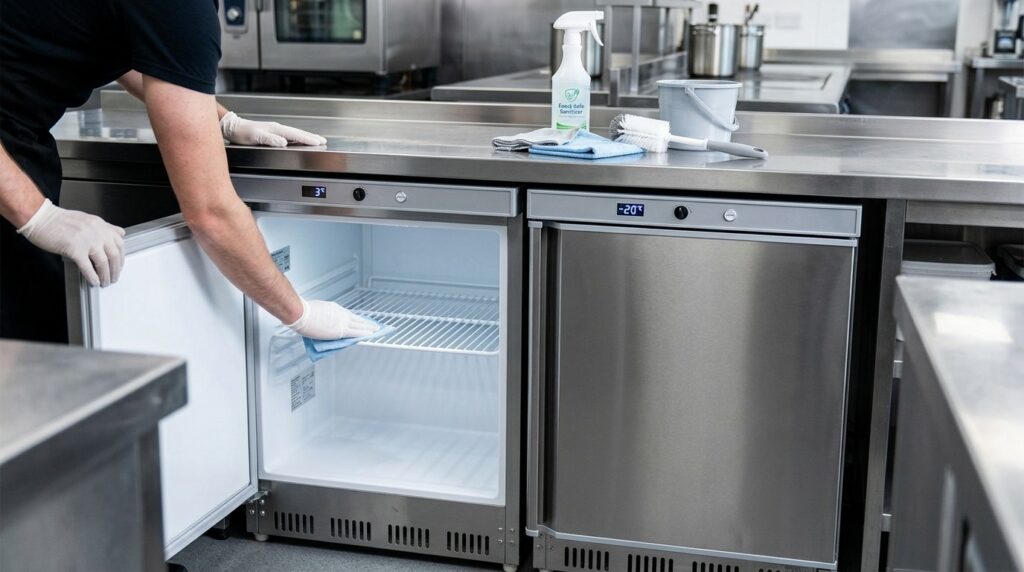
Explore best practices for Unifrost undercounter fridge/freezer cleaning in Irish commercial kitchens. Ensure hygiene and equipment longevity.
Unifrost Undercounter Fridge and Freezer Cleaning: Best Practice for R200SN, R200SVN and F200SN
You rely on your Unifrost undercounter fridge or freezer to hold safe temperatures in the busiest part of the kitchen or bar, but undercounter placement also means more spills, dust and blocked airflow. Cleaning is not just about passing inspections. It protects food safety, reduces odours and cross-contamination risk, and helps your R200SN, R200SVN or F200SN run efficiently instead of working harder and costing more.
This guide focuses on the practical decisions you need to make: how often to do quick wipes versus a full deep clean, which areas to prioritise (shelves, liners, door seals, handles, drain points, and ventilation grilles), and what cleaning agents and tools are safe on stainless steel and around digital controls. You will also learn when you can clean while the unit stays on, when you should empty and switch off, and what checks to build into your HACCP routine so you can show due diligence and spot wear early before it becomes a breakdown.
Importance of Regular Cleaning
Regular cleaning matters because an undercounter fridge or freezer sits right in the work zone. If it is not kept clean, it becomes both a contamination risk and a performance risk. Spills, food residue and dirty door seals get constant contact with hands, packaging and ready-to-eat food, especially during busy service.
In Ireland, this is not just “best practice”. The Food Safety Authority of Ireland expects food businesses to have a cleaning schedule and to keep cleaning records as part of day-to-day hygiene control (FSAI guidance on cleaning schedules and records). That’s the practical difference between a unit that looks fine at a glance and an operation that can show routine control.
Undercounter units are also more exposed than uprights. Stainless exteriors and simple controls are easy to wipe down, but the cabinet sits close to the floor where you get more splash-back, crumbs, dust and mop water. If you do not plan cleaning into the week, you often end up with blocked airflow and grubby lower sections that are missed in daily wipe-downs.
Compliance risk: it is not just “clean”, it is “cleaned and provable”
Refrigeration hygiene is part of your prerequisite hygiene controls, and for most sites it sits within a HACCP-based system where you are expected to control hazards and keep appropriate records (FSAI on HACCP-based procedures as a legal requirement). In plain terms, an inspector is not only looking at what the cabinet looks like today. They want to see that cleaning is organised: what gets cleaned, how often, with what chemicals, and who signs it off.
On undercounter fridges and freezers, the usual problem areas are the ones people touch or the ones you cannot see without getting down low: door handles, gaskets, shelf supports, the cabinet base where liquids collect, and the lower front area that takes the impact from mops and spillages. If those areas are neglected, you tend to see repeat issues during inspections, including poor housekeeping and higher cross-contamination risk.
Food safety risk: undercounter units magnify small mistakes
Undercounter cabinets typically live beside a prep bench, under a pass, or behind a bar. Doors are opened constantly, so any hygiene lapse gets repeated dozens of times per shift. Residue on handles and seals is an easy route for bacteria and allergens to move from hands to surfaces to packaging, particularly when you are storing ready-to-eat items alongside open ingredients.
The other undercounter issue is that grime can build quietly. You often do not notice it until you get a smell, a sticky handle, or a darkened seal. At that point you are no longer doing routine hygiene. You are trying to recover, and that usually means emptying the unit and taking it out of service for a proper deep clean, which is rarely convenient midweek, never mind on a busy weekend.
Operational risk: dirt costs time, stock and temperature stability
Cleaning is also about keeping the unit working properly. Dirty or damaged door seals stop doors closing cleanly, which makes the cabinet run longer to hold temperature. Over time that can mean more ice build-up in freezers, more moisture in fridges, and more temperature swings during peak opening and closing.
Airflow is another undercounter weak point. Dust and lint collect at floor level, and if vents or airflow paths are restricted the unit will struggle to recover temperature after service hits. The outside might still look “fine”, but performance drops first in the unglamorous spots, the lower front, the edges under the worktop, and anywhere staff do not normally wipe.
Regular cleaning, done the same way each time, is what keeps an undercounter unit predictable during a Friday rush rather than something you have to keep an eye on. It is worth being deliberate about method and materials before you start the step-by-step clean.
Step-by-Step Cleaning Guide for Unifrost Undercounter Units
Clean little and often, and deep-clean on a schedule you can actually stick to. The safest approach is always the same: pre-clean, wash with detergent, rinse, sanitise, then rinse (if required) and air-dry before restocking. That routine protects stainless steel, door seals, and controls, and it fits the reality of undercounter units in Ireland: spills at floor level, blocked front vents, and doors opening all through service.
If you are unsure about a chemical or a surface finish, follow the chemical label and your unit’s manual. Most “quick wipe” damage shows up later as stained stainless, brittle gaskets, or persistent odours.
1. Make the unit safe to work on without losing stock
Undercounter units in cafés, bars and tight kitchen lines usually hold high-turnover food that cannot sit at room temperature.
Plan the timing: ideally just after a stock rotation, or during a quieter prep window.
Move food fast: use a spare fridge/cold room, or insulated crates with ice packs, for the shortest time possible.
For a routine clean, you can often clean with the unit running if you work quickly and avoid introducing lots of warm air or water. For a deep clean, empty it fully and switch it off so you can clean corners, seals and drain areas properly, and so shelves can air-dry before going back in.
2. Remove stock, shelves and loose debris first (pre-clean)
Take everything out, then remove shelves, shelf supports and any removable base inserts. Dry-wipe or brush away crumbs, labels, bottle caps and dried spills before you introduce water. Wetting dry debris turns it into a smear that is harder to remove and easier to miss.
This “pre-clean” step aligns with the FSAI’s cleaning stages and is what makes detergent and sanitiser work as intended:
https://www.fsai.ie/business-advice/running-a-food-business/butchers/safe-food-handling
3. Wash internal surfaces with a food-safe detergent, then rinse
Use warm water and a food-safe detergent on a clean cloth or soft pad. Work top-to-bottom and clean-to-dirty (back wall and ceiling first, then sides, then base, then the door area). Pay attention to corners and shelf runners, especially where the unit sits under a prep bench and takes constant drips.
Rinse with clean water afterwards. Detergent residue can interfere with some sanitisers and can contribute to taints and odours, which you notice quickly in small undercounter cabinets.
4. Sanitise properly, then rinse (if required) and air-dry
Apply a sanitiser suitable for food areas and use it exactly as the label states, including contact time. This is where most teams rush, especially mid-service, but it is what turns “looks clean” into “hygienically clean”.
Follow the FSAI stages: after sanitising, rinse if required by the product instructions, then let surfaces air-dry:
https://www.fsai.ie/business-advice/running-a-food-business/butchers/safe-food-handling
Avoid towel-drying internal surfaces with a multipurpose cloth that has already been around hands, taps and coffee stations.
5. Clean door gaskets, handles and touch points without damaging the seal
On Unifrost undercounter fridges (R200SN / R200SVN families) and the F200SN undercounter freezer, the door seal is a big driver of day-to-day performance. Dirty, sticky gaskets don’t just look rough. They stop sealing cleanly, pull in warm air, increase condensation, and on freezers can lead to more ice build-up and longer compressor run time.
Clean gasket folds gently with detergent and a soft cloth, then sanitise and wipe as the product instructions require. While you are there, check for:
splits or tears
hardened sections
areas pulling away from the door
Poor sealing often shows up as moisture and grime tracking near the door edge, or a door that doesn’t close cleanly.
6. Deep-clean the undercounter problem areas: base, drain area, vents and condenser access
Undercounter units get punished by what happens around them: mop splash, sauce spills, flour dust, and airflow blocked by kick plates. For a deep clean, pull the unit forward if you can do it safely without straining services, then clean behind and underneath.
Give special attention to ventilation grills and any accessible condenser intake area. Dust build-up reduces heat rejection, makes the unit work harder, and you feel it as slower temperature recovery during a busy lunch rush.
Keep water away from electrics and digital displays. Don’t spray chemicals directly onto controls. Put chemical on the cloth, then wipe, especially around display bezels and switches.
7. Freezer-specific: manage ice build-up and drying before restart (F200SN)
With an undercounter freezer, hygiene and moisture control go together. Warm, wet cleaning introduces moisture that later becomes ice.
If there is ice build-up, defrosting as part of a deep clean usually gives the best long-term result because you can clean, sanitise and fully dry surfaces before pulling it back down to temperature.
Do not chip ice with knives or metal scrapers. You can damage liners and create cracks that harbour dirt and odours. Once dry, restart the unit, allow it to recover to operating temperature, then restock quickly and keep door-open time tight.
8. Put it back into service and log it in a way an Irish inspection expects
Reassemble shelves only when everything is dry. Restock with a quick sense-check:
keep air gaps so cold air can circulate
store raw below ready-to-eat where relevant
label/date decanted containers as normal
Keep a simple cleaning record showing what was cleaned, when, and by whom. The FSAI notes that cleaning schedules and records support effective cleaning and should be visible to staff:
https://www.fsai.ie/business-advice/running-a-food-business/butchers/safe-food-handling
Once that is consistent, it’s easy to tie the undercounter routine into your wider HACCP close-down without adding admin nobody follows.
Recommended Cleaning Agents and Equipment
Start with a food-safe detergent to lift grease and food soils, then follow with a suitable food-safe disinfectant or sanitiser for the contact time on the label. Let surfaces air-dry where practical. This detergent-then-disinfectant sequence aligns with the Food Safety Authority of Ireland’s guidance on effective cleaning for food businesses, including following manufacturer instructions and contact times: https://www.fsai.ie/business-advice/running-a-food-business/butchers/safe-food-handling
For Unifrost undercounter units (R200SN / R200SVN / F200SN), the main consideration is avoiding abrasive and high-corrosion products that can damage stainless finishes, door gaskets, and the display area. If in doubt, choose the mildest chemical that does the job, and rinse where the label requires it.
Stainless steel exteriors (front, top, sides, handles)
Undercounter units take plenty of knocks in Irish service, especially under prep benches and behind bars. The aim is simple: clean without scratching, and sanitise without leaving residues that stain or pit the metal over time.
Use: warm water with a mild, food-safe detergent; a microfibre or other soft non-scratch cloth; a soft nylon brush for corners around handles and edges. Use a stainless-safe polish only if you need it for fingerprints, apply sparingly, and keep it off food-contact areas.
Avoid: abrasive pads, wire wool, and strong chlorine-based products on stainless, particularly if they are left to dwell or not rinsed properly.
Door seals (gaskets) and door edges
Gaskets are an easy place for crumbs, syrup, dairy residue and mould to build up. If you only wipe the face of the seal, you miss the folds where the dirt sits, and that is where seals start to fail.
Clean with a mild detergent solution and a soft cloth, working into the folds. Apply a food-safe sanitiser if it is part of your HACCP routine and the product is suitable for the surface. Avoid strong solvents, bleach-heavy mixes, and scouring tools. They can harden, crack or tear the gasket, and once a seal is compromised you will see poorer temperature hold and longer run time.
Interior liners, shelves, and shelf supports
Inside the cabinet, chemical residue causes almost as many problems as visible dirt, particularly where you are storing open ingredients. Use detergent first, rinse as required, then disinfect or sanitise in line with your HACCP procedure and the label instructions.
Use soft cloths and non-scratch sponges. Wash removable shelves in a sink or dishwasher where suitable. For sticky bar spills or sauce residue, a plastic scraper is safer than an abrasive pad on interior surfaces.
Digital temperature display and controls
Treat controls as “damp wipe, not washdown”. Use a lightly damp microfibre cloth with a mild detergent solution for grime. If you need to disinfect, apply a suitable food-safe sanitiser to the cloth or use appropriate wipes rather than spraying directly onto the panel.
Avoid soaking the display area and avoid abrasive cleaners that can haze the lens. If the display becomes hard to read, staff are less likely to check it properly during busy periods.
Brushes and vacuum tools for ventilation grilles and dust
Undercounter units sitting under benches tend to pull in flour dust, cardboard fibres and general kitchen debris. Keep a soft brush and a vacuum with a brush attachment for the front grille area and any accessible vents. Build it into the same routine as cleaning under and around the unit.
This helps the fridge run as intended and keeps cleaning quicker and more predictable during a busy week.
Common Cleaning Mistakes and Their Impact
If you treat an undercounter unit like “just a cold box” and rely on quick wipes, residue builds up on shelves, door seals and the base. In a busy service, that turns into odours, higher cross-contamination risk, and temperature swings as the door is opened and closed repeatedly.
There’s also a compliance angle. It’s not enough to clean; you need a routine you can show. The FSAI is clear that a proper cleaning schedule and cleaning records are part of safe food handling practice, not an optional extra (FSAI guidance).
On the equipment side, the mistakes that do the most damage are usually simple:
Letting spills sit at floor level, where liquid creeps into gasket edges, fixings and corners.
Using abrasive pads on stainless steel, which scratches surfaces and makes them harder to keep clean.
Ignoring ventilation grilles and the condenser area, where dust build-up makes the system run hotter and longer.
These issues rarely kill a fridge or freezer overnight. What they do is push up running costs, increase nuisance faults, and make it more likely you’ll be pulled up on basic “clean as you go” standards during an inspection.
Integrating Cleaning into Daily Operations
Undercounter fridges and freezers work in the messiest part of the room. They sit in the splash zone, take constant door traffic, and collect crumbs, syrups, mop water and lint around the kick area. If you leave cleaning to a weekly “big clean”, you usually end up with a unit that smells, struggles to hold temperature, or ices up at the worst possible time.
The workable approach is simple: build small cleans into service, then protect a short end-of-day reset and a proper weekly deep clean when stock is lowest. Make it owned by the station it serves, and log it with your HACCP checks so it actually happens.
1. Match cleaning to the workflow (and pick realistic windows)
Choose two moments that happen every day and attach undercounter cleaning to them. In most Irish cafés, bars and kitchens that’s:
after prep, before service starts
after the lunch rush
after evening service
at close
Consistency beats “heroics”. A tidy 90‑second wipe done daily prevents the half-hour job later.
2. Separate micro-cleans from deep cleans
A good routine only works if the quick jobs stay quick.
Micro-cleans (60 to 120 seconds):
wipe the handle, door edge and any visible spills
remove pooled liquid inside the cabinet
check nothing is blocking internal airflow (overfilled shelves, packaging pushed against the back)
Deep cleans (planned):
move stock to another controlled chilled space
wash shelves/drawers properly
clean the door seal and lower edges where grime builds up
leave the door open only as long as needed, then get back to temperature quickly
If you cannot empty the unit safely during trading, do a controlled partial clean and schedule the full empty and deep clean for a quieter window.
3. Make it station-owned, not “everybody’s job”
If the unit sits under the garnish station, the bar team owns it. If it’s under a prep bench, prep owns it. This avoids the common outcome where the cabinet is used all day but nobody tackles the base, the gasket, or the mess behind the door.
Tie that ownership to sign-off. The person closing that station initials the cleaning and temperature check on your HACCP sheet. It keeps standards clear and makes due diligence obvious during inspections.
4. Standardise one repeatable cleaning method
When service is flat out, staff take shortcuts. Give them one method that works across your undercounter units and stick to it.
Using the FSAI six stages of effective cleaning as your house standard helps because it forces the right order: pre-clean, detergent, rinse, disinfect, rinse, air-dry.
https://www.fsai.ie/business-advice/running-a-food-business/butchers/safe-food-handling
Practically, that means avoiding “spray and wipe” on food-contact areas, using chemicals at the correct dilution and contact time, and leaving surfaces dry. Moisture lingers in refrigerated cabinets and turns small hygiene issues into odours and icing.
5. Clean in sections to keep service moving
You do not need to dismantle an undercounter unit mid-service, but you do need to control door-open time.
clean one shelf or one drawer section at a time
close the door between sections
don’t leave the door open while you restock or get distracted
If you have to move food out briefly, move it into a controlled chilled space and work fast. If anything looks temperature abused, it should be handled under your food safety procedures, not “chanced”.
6. Put the undercounter trouble spots on a weekly schedule
Undercounter units pull in dust, flour and lint, especially near fryers, coffee stations, or under a busy bar. The parts that most affect performance are also the parts people skip:
Front grill/kick area: keep it clear so airflow isn’t restricted.
Door seals (gaskets): keep them clean and check they’re sealing properly.
Treat gasket cleaning as a performance task, not just hygiene. A dirty or damaged seal makes the unit work harder, increases running costs, and often shows up as condensation, frosting, or soft product during service.
Build these checks into your weekly routine and you move from “we cleaned it last week” to a system the team can follow, even on a busy Saturday.
Unique Hygiene Challenges of Undercounter Units
Undercounter fridges and freezers are often harder to keep genuinely clean than uprights. They sit in the splash zone, they are rarely pulled out during trading, and the mess builds up where nobody looks. Irish food hygiene rules still expect equipment and food areas to be kept clean and maintained, as set out in the framework behind FSAI’s overview of Regulation (EC) No 852/2004 on the hygiene of foodstuffs.
What “clean enough” looks like also depends on the job the unit is doing. A high-turnover café pass, a pub servery, and a tight takeaway prep line create different risks. Your controls need to match the pressure and layout, not a one-size-fits-all weekly deep clean.
Why undercounter units get dirtier, faster, in Irish kitchens and bars
Undercounter units typically sit right beside prep, sinks, glasswashers, coffee stations, and draught service. In practice, that means more crumbs and flour dust (sandwich and pizza prep), more dairy and syrup drips (coffee and dessert), and more greasy residue (hot line) landing on handles, door edges, and the top lip where trays get parked “for a second”.
Because they are low to the ground, they also collect what the rest of the kitchen sheds: mop water, drain splashes, dropped garnish, broken glass fragments, and general floor grime that ends up under the plinth. Left unmanaged, the cabinet becomes a transfer point between floor-level contamination and food storage.
Airflow and vent blockages are a hygiene issue, not just a performance issue
The ventilation grille and front kick area are easy to ignore on undercounter refrigeration. When they clog with dust, flour, cardboard fibres, and sticky bar debris, you are not only restricting airflow. You are also creating a damp pocket that holds grime and odours, in exactly the spot staff will not check unless it is built into the routine.
In service, the first complaints are usually “it feels warm today” or “it’s running louder”. From a hygiene point of view, the bigger problem is the long-term dirt trap. If you only wipe the stainless front, you can still be leaving the worst build-up untouched.
Floor-level spills, pests, and the undercounter “no man’s land”
The gap around and behind undercounter units is prime territory for spills and pests because it is dark, slightly warmer than open kitchen air, and rarely disturbed. Common culprits include:
Drinks line leaks or keg changeovers in bars
Over-wet mopping leaving standing water under units
Food debris dropping between bench legs and cabinet fronts
Cardboard stored beside the unit, shedding dust and creating harbourage
The fix is unglamorous but effective. Plan how you will access the sides and rear, and set a rule that nothing is stored loose in the voids around the cabinet. If your layout means the unit cannot be pulled out safely, agree an alternative access plan with whoever services your refrigeration.
Door seals and handles take the most contact, so they need the most discipline
On a busy café or pub undercounter, the door handle is touched constantly: wet hands, gloved hands, and hands straight off raw packaging. Gaskets then pick up sticky residue and fine debris, which can stop the seal seating properly.
That matters operationally because poor sealing increases moisture, smells, and ice build-up, and it makes temperature recovery harder during rush periods. It also matters for hygiene because door seals are a commonly missed surface, even when shelves and interiors look fine.
What to build into your routine so the undercounter stays inspection-ready
Undercounter units stay cleaner when the routine reflects how they are used under pressure, especially in bars and tight prep runs where you cannot empty a cabinet on demand. These controls are practical for most Irish operations:
Treat the door handle, door edge, and gasket as high-touch cleaning points, not a “when we get time” job.
Keep the floor directly in front of the unit dry and clear so spills are spotted before they travel under the plinth.
Add a check and clean of the ventilation grille and kick area to your weekly routine, and increase frequency in flour, grease, or syrup-heavy sections.
Store food in closed, cleanable containers so minor leaks do not become baked-on residue on shelves and corners.
Use a simple sign-off in your HACCP cleaning records for “undercounter high-touch points” and “vents checked”, because those are the areas most likely to be missed in a general clean.
Once those risks are under control, cleaning becomes quicker and more consistent. That is where a clear, repeatable method for your undercounter unit pays off day to day.
Connecting Cleaning Practices to Unifrost Support & Maintenance
On undercounter units, “cleaning” and “maintenance” overlap. The same routine that keeps the cabinet hygienic also protects temperature performance and helps you avoid avoidable call-outs. FSAI guidance is a useful benchmark because it treats cleaning as a managed system with schedules and records, not a quick wipe when someone remembers.
Undercounter fridges and freezers (including Unifrost undercounter families such as R200SN, R200SVN and F200SN) usually sit in higher-spill, higher-dust zones than uprights. Your routine needs to cover vents, seals and the floor interface, not just the food space.
Why good cleaning is also preventative maintenance on undercounter units
When an undercounter is pushed tight under a prep bench or bar counter, it tends to pull in flour dust, cardboard fibres, lint and general kitchen grime. That build-up is not just cosmetic. It can restrict airflow around ventilation openings, slow temperature recovery after door openings, and increase the chance of faults, especially in warm kitchens or during a busy service.
Treat the outside panels, the kick area and anything that affects airflow as part of the refrigeration system, not just housekeeping. With stainless units, staying on top of fingerprints and splashes also prevents baked-on residue that takes longer to remove and quietly kills consistency.
Linking cleaning tasks to support outcomes (fewer faults, steadier temperatures, lower running costs)
If you want your undercounter to behave predictably in service, align cleaning with the issues that typically drive support calls: doors not sealing, vents blocked, standing water, and temperature drift that is really down to airflow or loading.
In a café, pub kitchen or hotel prep area, it helps to link each task to what it protects:
Deal with spills straight away. Use trays where you can. It reduces sticky residue, odours and the kind of build-up that turns a small job into a deep clean.
Clean and check the door gaskets while you’re doing shelves. Grime, hardening and small tears often show up during cleaning long before the unit “fails”.
Keep the floor area and the ventilation path clear. Blocked airflow is a common cause of poor recovery when staff are in and out of the unit all service.
Use cleaning time for quick operational checks: the door closes properly, shelves are seated, the cabinet is not overpacked, and packaging is not pressed against internal air outlets.
If you’re unsure about a cleaning agent, method, or whether a panel can be removed for access, follow the manual for that Unifrost family rather than defaulting to general kitchen habits. It is easy to damage stainless finishes, door seals and controls with harsh chemicals or water where it should not be.
Cleaning schedules, records, and Irish inspection readiness
From a compliance point of view, your cleaning routine is stronger when it is documented and repeatable, not “we clean it when it looks dirty”. The FSAI specifically points to the value of a cleaning schedule and cleaning records as part of running a food business, including keeping the schedule visible to staff and reviewing it when equipment changes, as set out in their guidance on Cleaning Schedule and Records.
For undercounter units, records are more credible if they show you are cleaning and checking the areas inspectors expect you to control. That usually includes:
Food-contact areas: shelves, runners, base, door liner
High-touch points: handles and control area surrounds
Seal line: gaskets and the mating surface they close against
Hidden dirt zones that affect safe storage: floor edges under the unit and any accessible vent grilles
When cleaning should trigger a service call (and what to capture before you ring)
Cleaning is often when you spot early signs worth acting on before they turn into downtime: a door that needs a shove to close, persistent condensation, a new or louder noise after reloading, unusual ice build-up, or repeated temperature alarms after busy periods.
Before you contact support, note what helps diagnosis:
What changed: new menu items, hotter kitchen, unit moved or pushed tighter under a counter
What you saw during cleaning: blocked vents, damaged gasket, pooled water
What the display is showing (and when the issue happens, for example during service peaks)
That avoids the unhelpful loop of “it’s warm” without context. Undercounter units are heavily influenced by loading and door-open frequency, so a few clear observations can save time and reduce repeat visits.
A disciplined cleaning routine is part of day-to-day Unifrost ownership. It protects temperature stability, energy use and reliability, which is why it’s worth keeping a consistent, written process for undercounter families like R200SN, R200SVN and F200SN.
Frequently asked questions
How often should commercial fridges and freezers be cleaned?
For day-to-day hygiene and reliable temperature performance, use a simple cadence:
Per shift: Wipe handles, high-touch areas and any visible spills immediately.
Daily: Quick wipe of interior surfaces (especially around ready-to-eat foods), check for spills under trays, and tidy stock so air can circulate.
Weekly: Remove products in sections, wash and sanitise shelves/runners, wipe the full interior, and clean door seals.
Monthly (or more often in greasy kitchens/busy bars): Clean dust from ventilation grilles and gently brush or vacuum the condenser area where accessible.
If odours, sticky residue, pooling water, or visible mould appear, treat that as a sign you need a deep clean sooner, not later.
What cleaning agents are safe for use with Unifrost equipment?
For Unifrost undercounter units with stainless steel exteriors and digital displays, stick to food-safe, non-abrasive products:
General cleaning: Warm water with a mild/neutral detergent and a microfibre cloth.
Sanitising (after cleaning): A food-safe sanitiser used at the correct dilution and contact time (follow the chemical label).
Stainless exterior: Non-chlorinated stainless cleaner or mild detergent, then wipe with the grain and dry.
Controls/display: Lightly damp cloth or alcohol-based wipe. Do not flood the panel.
Avoid products that commonly damage stainless steel and seals:
Bleach/chlorine, chlorides, and strong caustics
Abrasive pads and powders
High-pressure spray/hosing down the unit
If you have the appliance manual for your specific model family (R200SN, R200SVN, F200SN), follow any cleaner restrictions listed there first.
How can I clean a fridge/freezer without disrupting operations?
Plan it so the unit stays cold, stock stays safe, and the kitchen keeps moving:
Choose a quiet window (end of service, before delivery day, or mid-afternoon lull).
Clean in zones: Move items shelf-by-shelf into a labelled food crate or insulated box, clean that section, then return stock.
Keep doors closed between zones to protect temperature.
Use fast-drying methods: Wipe, sanitise, then dry fully before restocking.
For deeper cleans: Use a backup fridge/freezer or plan a short shutdown when stock is lowest.
For freezers specifically, schedule a deeper clean alongside a defrost (if needed) to avoid ice and water during peak service.
What are the specific cleaning needs of undercounter units?
Undercounter fridges and freezers get dirtier faster because they live at floor level and under busy prep or bar counters. Prioritise:
Front vents and kick-plate area: Keep air paths clear. Grease and dust here can reduce cooling efficiency.
Floor and underside: Clean the floor around the unit edges and underneath where possible. Spills often run under the cabinet.
Door gaskets: Wipe weekly with mild detergent, then dry. Check for splits, sticky residue, or gaps that can cause temperature issues.
Handles and touch points: Sanitise frequently during service.
Drain/spill management: If you see pooling water or recurring odours, investigate quickly and clean thoroughly.
Practical tip: add an undercounter unit check to your closing routine. A 2-minute wipe and vent check prevents most service calls caused by blocked airflow and grime build-up.
Are there differences in cleaning between fridges and freezers?
Yes. The goal is the same, but the risks and technique differ:
Freezers: Watch for ice build-up and avoid scraping with sharp tools. Defrost and clean when stock is low, protect the floor from meltwater, and dry completely before restarting. Keep cleaning water minimal to prevent refreezing into ice.
Fridges: Focus on spills, odours, and cross-contamination. Remove and sanitise shelves and door bins more often, and keep raw and ready-to-eat foods separated.
Both need routine attention to door seals, handles, and ventilation/grilles. Poor cleaning in either unit can lead to temperature instability, higher running costs, and avoidable food waste.
Need help choosing the right Unifrost undercounter unit?
If you are comparing Unifrost undercounter refrigeration for a tight prep line or bar, it helps to match the unit to your workflow, cleaning routine, and how often doors are opened during service.
Browse Unifrost-compatible options in Caterboss’s Undercounter Fridge category, then get tailored advice on the best undercounter configuration for your kitchen, including how to keep it easy to clean in daily operation.
Keep comparing inside the same Unifrost topic
These articles are the best next reads if the visitor wants a deeper product choice, maintenance, or support route from here.
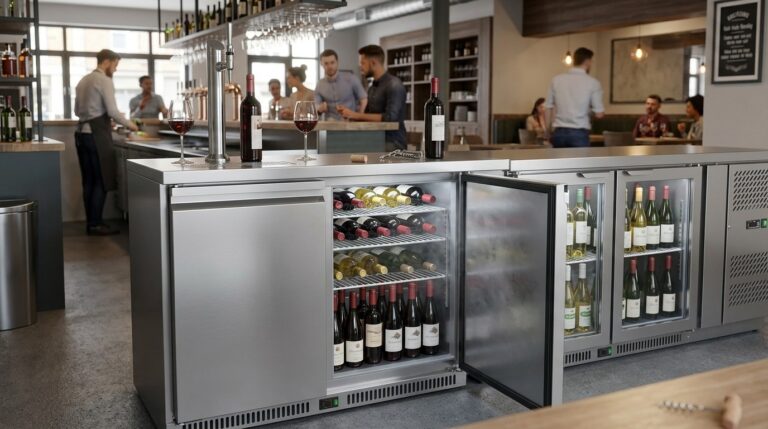
Optimizing Your Small Wine Storage: Unifrost Bottle Coolers in Focus
Discover how Unifrost Bottle Coolers serve as practical alternatives to small wine fridges in Irish hospitality settings.
Read guide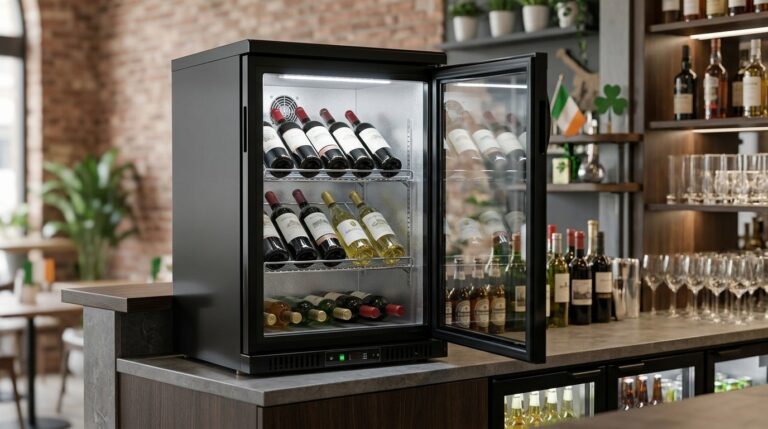
Choosing the Right Unifrost Bottle Cooler for Wine Display in Ireland
Guide to selecting Unifrost bottle coolers for optimal wine display in Irish bars and restaurants.
Read guideView Unifrost display fridges at Caterboss
The article stays useful on its own, but when the reader is ready to compare real products or move into a commercial conversation, this is the clean next step.