
Unifrost Wine Storage Solutions for Hospitality
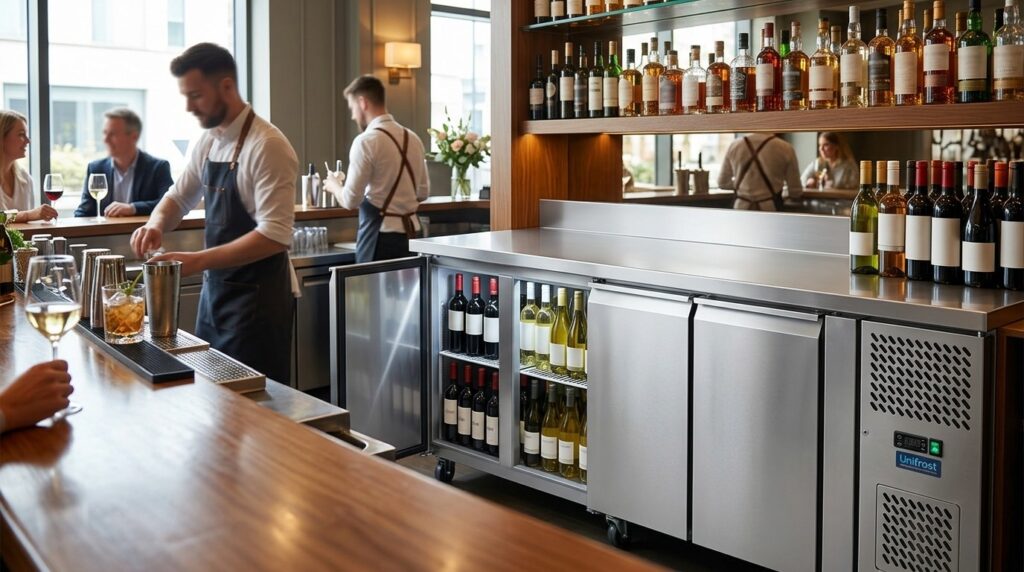
Explore Unifrost options for wine storage in Irish hospitality venues using Bottle Coolers and Glass Display Fridges.
Choosing a Unifrost Wine Fridge Setup: Bottle Coolers and Glass Display Fridges
When you search for a Unifrost wine fridge, you are usually looking for reliable, service-ready storage that keeps wine at the right serving temperature and sells well behind the bar. Unifrost does not run a dedicated wine-fridge range, so the practical options for most Irish venues are Unifrost Bottle Coolers (such as BC10HBE, BC20HBE, BC30HBE) and Unifrost Glass Display or Upright Bottle Fridges (such as GDR1000, GDR401).
This guide helps you choose which route fits your operation, based on the decisions that actually affect performance and profit: whether you need undercounter back-bar access or front-of-house display, how to manage temperature for mixed wine and beer, what shelving and layout supports safe bottle storage and fast picking, and what ventilation space and placement you need in hot or sunny areas. You will also learn what to check for day-to-day running, including basic maintenance routines and the common causes of condensation, icing, or temperature drift in a busy hospitality setting.
Understanding Wine Storage Needs in Hospitality
Commercial wine storage matters because most Irish bars, restaurants and hotels are serving wine under pressure, in warm front-of-house spaces, with frequent door openings. Temperature swings, light exposure and inconsistent handling can turn a good bottle into a tired, overly warm pour. That is a quality issue, but it is also a margin issue.
From a compliance point of view, chilled storage is expected to be controlled as part of your HACCP routines. The FSAI guidance on temperature control is a sensible reference for what “under control” looks like day to day. The key point is that you do not need “perfect cellar conditions” for most service, but you do need stable, predictable serving temperatures that hold up on a busy Friday night.
Service wine storage is about speed, consistency and protecting margin
In most venues, wine refrigeration is service storage, not long-term ageing. You are trying to keep whites, rosé, sparkling and ready-to-pour reds at a consistent serving temperature so staff can move quickly and guests get the same pour at 6pm as they do at 10pm.
That consistency protects margin in two practical ways:
Less waste from temperature cycling, where bottles warm on the back bar, get re-chilled, then sit out again.
More reliable presentation and upsell, especially for sparkling, where serving temperature has a big impact on how it tastes and how it’s perceived.
Stability beats chasing one “ideal” temperature
Hospitality wine storage usually means mixed stock, mixed turnover and mixed priorities. If you sell mostly whites and sparkling, you need dependable chilling and recovery after repeated openings. If you carry premium reds and want them ready to pour without being warm, you may be better aiming for a stable “cool” holding temperature rather than leaving bottles on a shelf behind the bar.
Single-zone versus dual-zone only becomes a useful decision when you map it to your menu and service rhythm. If wine is sharing space with beer and soft drinks, focus on:
A consistent setpoint that suits the bulk of what you sell
A simple stock rotation routine, so “ready-to-serve” bottles stay in the most stable part of the cabinet
The bar environment often makes or breaks performance
Irish bar installs can be tough on refrigeration: sunny windows, tight back-bar joinery, heat from glasswashers and cramped undercounter bays. In those conditions, “holds temperature” is not just about the unit. It is about ventilation clearance, airflow and avoiding hot spots that force the compressor to run longer and struggle during service.
Front-of-house also brings practical issues you do not notice in a store room. Noise, condensation on glass, door alignment, lighting glare and shelves that hold bottles securely all affect day-to-day usability and whether staff actually keep the unit organised.
Once you account for those realities, it’s much easier to choose which Unifrost formats make sense as a practical “wine fridge” for an Irish hospitality setup.
Unifrost Products Suitable for Wine Storage
When people ask for a “Unifrost wine fridge”, they usually mean one of two commercial formats:
Unifrost bottle coolers for back-bar, under-counter service storage
Unifrost glass door display fridges / upright bottle fridges for higher capacity and visible merchandising
The difference is less about “wine storage” and more about where the drinks are served and how staff work. Bottle coolers suit fast bar service in a tight footprint. Upright glass door units suit venues that want the range visible and need more chilled stock on hand. Neither format is a long-term cellaring cabinet, so choose based on service flow, space, and how much wine you need cold and ready at any one time.
How do Unifrost Bottle Coolers and Glass Display Fridges compare overall?
In most Irish hospitality settings, a wine fridge is service-ready chilled storage. That puts the focus on holding temperature reasonably steady while the door is opened repeatedly during trading.
Bottle coolers typically sit behind the bar in the warmest, busiest part of the building. They earn their keep on:
quick access during a rush
sensible shelf layout for mixed loads (wine, beer, soft drinks)
compact fit behind counters and bar joinery
Upright glass display fridges are more about:
range visibility for staff and customers
easier day-to-day organisation by style, price point, or house vs premium
more stock depth for weekends, functions, and busy stretches
Layout matters. A bottle cooler often works better when it’s opened constantly because it’s a smaller cabinet and doors tend to be opened and shut quickly. An upright display fridge can lose more cold air if it’s treated like a back-bar “grab fridge” during peak service, but it’s usually easier to keep tidy and to avoid broken bottles and messy stock rotation.
Bottle Coolers (BC10HBE, BC20HBE, BC30HBE) as “wine fridges”
For pubs, hotel bars, and busy restaurants, a Unifrost bottle cooler is often the most practical stand-in for a wine fridge because it’s designed around speed and placement.
To make it work well for wine:
ring-fence a section for wine so it doesn’t get pushed out by faster-moving lines
keep heavier bottles lower down to reduce strain and breakages
don’t over-pack shelves: if labels are hidden and bottles need to be dragged sideways, staff will avoid using it properly
Bottle coolers are best for wines you expect to move quickly: house whites, sparkling, rosé, and chilled reds. If you’re holding premium bottles for longer periods, treat the bottle cooler as front-line service stock and keep reserve stock in a more stable store area.
Glass Display / Upright Bottle Fridges (GDR1000, GDR401) as “wine fridges”
A glass display fridge suits sites where visibility supports sales: wine bars, hotel lobby bars, restaurants with strong by-the-glass trade, and any counter area where the wine offer is meant to be seen.
Day to day, the glass door helps because staff can check what’s ready without standing with the door open while deciding. That matters in front-of-house, where long door-open times are a common cause of temperature swings and condensation.
This format also supports a cleaner workflow:
keep the upright as the curated, ready-to-serve range
replenish from a back store or cold room during quieter periods
avoid mixing “service selection” with bulk stock in the same cabinet
Which is best for your venue and wine service?
Choose the cabinet based on how wine moves through your business, not the label “wine fridge”. As a rule of thumb:
Bottle cooler: best for the bartender’s reach zone, speed of service, and tight back-bar footprints
Upright glass display: best for visibility, range presentation, and holding more chilled stock
Before you decide, check the practical realities on your site:
Where will staff actually pull wine from during a rush, and will that door-opening pattern cause temperature drift or queueing?
Is your priority speed and footprint (bottle cooler) or visibility and capacity (upright display)?
Can the unit get adequate ventilation in its final position, especially if it’s boxed in behind bar joinery?
Will the shelving allow bottles to sit securely and stay organised without constant re-stacking?
Once the format fits your service, choosing a specific unit becomes straightforward: you’re looking for the cabinet that supports trading without turning temperature control and cleaning into a daily chore.
Essential Features for Effective Wine Storage
The right “wine fridge” setup in hospitality depends on what you’re trying to achieve: holding stock at a consistent serving temperature, displaying labels for faster sales, or simply keeping wine alongside other drinks. Most Irish operators care about two things in day-to-day trade: steady temperature control you can rely on, and quick recovery after frequent door openings.
One point to keep clear is that wine service temperatures are often warmer than food refrigeration. That matters if you’re using a bottle cooler or glass door drinks fridge for mixed stock.
Temperature control that suits service, not cellaring
For most bars and restaurants, this is about predictable serving temperature during service, not long-term ageing. In practice, you’re looking for repeatable performance under real conditions: warm front-of-house, doors opening every few minutes, and bottles going back in mid-shift.
If the same cabinet is storing anything that falls under chilled food controls, treat it as a separate requirement. The FSAI is clear that chilled storage should keep food between 0°C and 5°C, typically achieved by setting the unit around 3°C to 4°C in practice, per the FSAI temperature control guidance for caterers. Wine is usually held warmer than that for service, so mixed-use cabinets are where settings and routines get messy.
Shelving that actually works for wine bottles
Visibility helps, but stability matters more when it’s busy. The best shelf layout is the one that stops bottles rolling, avoids awkward stacking, and makes stock rotation obvious for staff who are moving fast.
If you’re using a Unifrost bottle cooler or glass door drinks fridge as a wine cabinet, look for practical shelf features: adjustable shelf positions for taller bottles, spacing that lets you read labels without double-stacking, shelves that don’t flex when fully loaded, and a front lip or guard where needed so bottles don’t creep forward as the door closes.
Door and lighting choices that help sales without creating headaches
For wine sold by the bottle or by the glass, a glass door can earn its floor space by keeping the range visible. The trade-off is placement. Glass-fronted units are less forgiving in bright or warm spots such as sunny bars, hotel lounges, near coffee machines, dishwashers, or a pass. They’ll work harder, and you’re more likely to notice condensation.
Lighting is similar. Good internal lighting speeds up service and supports merchandising, but it’s still worth positioning the unit so labels are easy to read without turning the back bar into a glare and heat trap.
Ventilation and airflow: the quiet reason “wine fridges” underperform
A lot of “temperature drift” complaints come down to installation, not the cabinet. Push a bottle cooler tight into a void, block the grille, or surround it with heat sources and it will struggle when you need it most.
If you want an undercounter look, plan it like a commercial fit-out. Leave the clearances the manufacturer specifies, keep the airflow path open, and make sure there’s access to clean around the condenser area, because dust build-up quietly increases running load and reduces performance.
Energy efficiency that you can feel on your bill
In Ireland, a display drinks fridge typically runs long hours in a warm room and gets opened constantly. Small losses add up quickly over a year.
The most useful efficiency wins are the unglamorous ones: door seals that stay tight, an internal layout that reduces “door-open time” per serve, and controls that let you avoid over-chilling wine just because the same cabinet also holds beer or soft drinks. If you judge a unit through that lens, it becomes easier to shortlist which Unifrost bottle coolers and glass door fridges are realistic wine-fridge options for your venue.
Installation and Maintenance Considerations
Set a Unifrost bottle cooler or glass door display fridge up like a piece of bar equipment, not furniture. Give it proper airflow, level it, let it pull down to temperature before service, and confirm the real cabinet temperature with an internal thermometer. After that, most “wine fridge” problems in hospitality come down to ventilation, door seals, and drainage, so build a routine your team will actually keep.
1. Choose a position that protects temperature stability
Glass door units and bottle coolers perform best where the room temperature is steady. Avoid placing one beside a dishwasher outlet, bottle washer, radiant heat, or in direct sun through a window. In Irish bars, common trouble spots are the warm end of the back bar or a feature display that gets afternoon sun. Both make the compressor work harder and can lead to uneven temperatures.
If you are fitting undercounter, think ventilation first and joinery second. A unit can “fit” and still struggle if the condenser cannot shift heat. Follow the clearances in the manual for your model and keep vents free of kegs, cardboard, and stock that slowly creeps into the air path.
2. Level the cabinet and commission it before loading
Level the cabinet so the door closes cleanly and the seals meet evenly all the way round. A cabinet that is slightly twisted can look fine but leak warm air, which shows up later as condensation, icing, and slow recovery during busy periods.
Once it is in place, run it empty long enough to stabilise before loading. If you load warm stock immediately, frequent door openings can mask a set-up issue until you hit a peak service and the unit cannot catch up.
3. Set a practical serving temperature and verify it inside the cabinet
In hospitality you are usually chilling for service and display, not cellaring. Set a temperature that suits what you serve and how quickly bottles warm once opened on the back bar.
Do not rely on the controller display alone. Check with a basic fridge thermometer placed mid-cabinet. If the unit is also used for perishable garnishes or mixers, make sure your day-to-day settings support chilled food control. The FSAI notes chilled foods should be kept between 0°C and 5°C, with fridges often set around 3°C to 4°C to achieve that in practice (FSAI temperature control guidance).
4. Load and merchandise without choking airflow
Overpacking is the quickest way to turn a steady display fridge into a temperamental one. Leave space for air to circulate, especially at the back and around any internal air outlets. Avoid pressing bottles hard against the rear wall.
If you are mixing wine with beer and soft drinks in the same bottle cooler, organise by speed of service. Put your fastest movers where staff can grab quickly without holding the door open. Keep slower lines slightly deeper so you are not constantly dumping warm air into the cabinet.
5. Run a tight cleaning and checks routine your staff will keep
Most performance issues trace back to one of three areas: heat rejection (dirty condenser or blocked vents), air leakage (door seals), or water management (blocked drain causing puddles and odours). Keep the routine simple, consistent, and easy to hand over when staff change.
Daily: Wipe spills, check the door closes properly, and look for unusual condensation or ice.
Weekly: Clean the door seals and frame, clear dust from air intakes, and confirm cabinet temperature using an internal thermometer.
Monthly: Do a deeper clean, including the condenser area where accessible and checking the drain path is clear. Log what you did so patterns show up early.
If you want help choosing a Unifrost bottle cooler or glass door display fridge that suits your layout and service volume, it is worth matching the format to where it will sit (front of house, back bar, undercounter) and how hard it will be worked on a weekend shift.
Choosing the Right Unifrost Solution
If you’re searching for a “Unifrost wine fridge”, you’re usually looking at Unifrost bottle coolers or glass door display fridges. Unifrost does not currently offer a dedicated wine-fridge range, so the practical question is which commercial format will hold stable serving temperatures and suit your service flow.
In an Irish hospitality setting, temperature control and routine checks still matter for HACCP, as set out in the FSAI’s guidance for food businesses. Just be clear on the limitation: these cabinets are built for service and display, not long-term cellaring with controlled humidity and low vibration.
Match the format to how you actually sell wine
If most bottles are opened and served within a day or two, prioritise access, visibility, and temperature recovery after repeated door openings. In practice that points to:
Bottle coolers for quick reach-in service behind the bar.
Glass door uprights when you want strong customer-facing display and easier front access for staff.
If you’re holding higher-value bottles for longer, a drinks cooler can still be workable, but you’ll need tighter discipline: keep it out of sun and away from heat sources, don’t overpack shelves, and minimise door-open time. Service-led cabinets are designed for throughput, not cellar conditions.
Decide by service pressure, not “bottle count”
In pubs and busy bars, the real constraint is usually speed behind the counter. An undercounter cooler that’s opened constantly can run warmer at the front of the cabinet than you expect, especially during peak. The “right size” is often the one with a bit of headroom, so you’re not cramming stock and blocking airflow.
In restaurants and hotels, demand can be steadier but more mixed (sparkling, whites, rosé, reds, plus water and soft drinks). Choose a shelf layout that lets staff separate ready-to-serve from backup. Otherwise the cabinet looks full, but service still involves rummaging and pulling out warm bottles.
Single-zone vs dual-zone: what matters on real Irish sites
With Unifrost bottle coolers and glass door display fridges, plan around one reliable serving zone. If you need genuinely different serving temperatures, you’ll usually get a more predictable result by splitting stock across two units (or keeping reds at ambient where appropriate) rather than expecting one cabinet to cover every style during a busy shift.
Installation and ventilation: the most common avoidable mistake
Be realistic about the install location. Coffee machines, glasswashers, direct sun through a front window, and tight cabinetry all raise the load on any display cooler.
If you’re aiming for an undercounter “built-in” look, confirm you can provide the ventilation the unit needs. Restricted airflow is a common cause of temperature drift, condensation issues, and higher running costs.
Choose for merchandising if wine sales matter
If wine is meant to sell itself, visibility pays back. Clear sightlines, sensible shelf spacing, and lighting that makes labels easy to read will beat a larger cabinet that’s awkward to organise, especially when the cooler becomes a “grab what’s in front” zone during service.
A quick practical filter for a walk-through
Choose the format that matches your constraint:
Fastest access: bottle cooler behind the bar
Best customer-facing display: glass door upright
Clean separation from beer and soft drinks: often two smaller units rather than one mixed cabinet
Once the format is right, you can narrow down to specific Unifrost models that suit your footprint, placement, and day-to-day service.
Integrating Unifrost in a Broader Beverage Service
The right setup depends on what you’re asking the cabinet to do. Chilling wine purely for service is different to using it as a display driver, and both are different again if you’re also storing food-adjacent items like opened juices, dairy mixers, garnishes or prepped fruit.
In Irish operations, once perishable items share the same refrigeration, HACCP temperature discipline applies. The FSAI notes fridges should keep food between 0°C and 5°C, typically achieved by setting 3°C to 4°C on the thermostat, which affects how you plan zones and what you store together (FSAI temperature control guidance). The practical point is simple: “wine fridge” expectations often mean warmer, steadier storage than a busy back-bar bottle cooler can deliver. In many venues, the cleanest answer is a split-role station rather than one cabinet trying to do everything.
Build the station around service flow, not just bottle count
In a pub, late bar, or busy restaurant, wine refrigeration is part of the drinks workflow. You’re balancing speed (beer and soft drinks), margin (wine), and a clean handoff between chilled storage and where bottles are actually opened and poured.
Bottle coolers generally suit back-bar service where fast access and a tidy presentation matter. Glass door display and upright bottle fridges are often a better fit where visibility and browsing drive sales in front-of-house. The key integration decision is whether wine needs to sit in the same footprint as your fastest-moving SKUs.
If it does, prioritise:
Door access and swing clearance (staff should not have to step out of service to open it)
Shelf adjustability (champagne, 75cl, odd formats)
Sightlines (labels visible without leaving doors open)
Then handle “wine at its best serving condition” with a smaller dedicated zone, ice bucket service, or a secondary unit positioned closer to the point of pour.
Separate “serve cold” from “store safely” to avoid compromise temperatures
A common trap is setting one back-bar cooler temperature and hoping it keeps everyone happy. In reality, you end up with reds too cold, whites not quite cold enough in a rush, and sparkling living in ice all night.
A more workable commercial approach is:
Use a bottle cooler or glass door fridge as the reliable cold store for service-ready whites, rosé and sparkling.
Keep reds out of refrigeration in a controlled, shaded area, then give them a short chill if required.
If you’re chilling mixed products together, decide what must be cold for service (beer, soft drinks, whites, sparkling) versus what must be cold for safety (perishable mixers). Once perishables are in the mix, manage the cabinet like a food fridge in your HACCP routine, not like a wine cellar substitute. Door-opening patterns and recovery time matter as much as ideal wine temperatures.
Plan ventilation, heat sources, and noise before you commit the layout
A lot of “wine fridge” disappointment in Irish bars comes down to installation, not the cabinet. Typical issues are hot air trapped behind the unit, sunlight on the door, or the fridge placed beside a glasswasher or coffee machine.
Treat the fridge position as part of your bar’s heat map:
Near heat or direct sun: expect the unit to work harder, with less stable temperatures and a higher chance of condensation on glass.
In a tight void with poor airflow: expect slower pull-down and more strain during peak trading.
Also consider noise and customer sightlines. A glass door display can earn its floor space, but only if staff can open it without blocking service, and you’re not fighting a fogged-up door all evening.
Make Unifrost one piece of a complete beverage system
A “complete” beverage setup usually covers three jobs: bulk cold storage, service-ready chilling, and visible merchandising. In practice, that means pairing bottle coolers and glass display fridges with at least one of the following, depending on your volume and menu:
A larger upright fridge elsewhere for bulk stock, so the back-bar unit isn’t overfilled and slow to recover
A dedicated garnish and mixer fridge for cocktail-heavy service, keeping perishables away from constant door opening
A “top-up” zone for sparkling and whites closest to the pass, so staff aren’t walking the length of the bar for every bottle
A loading and rotation routine, so warm deliveries don’t land on the same shelf you need cold for the next hour
When you plan it this way, the “wine fridge” becomes a defined role in your system, not a single product trying to cover every job. From there, choosing between bottle coolers and glass door fridges is a straightforward fit decision based on workflow, placement and what you actually need chilled on the night.
Unifrost wine fridge FAQs
What is the difference between a commercial wine fridge and a standard bottle cooler?
A dedicated commercial wine fridge is designed primarily for wine care, typically prioritising stable, gentle cooling and bottle-friendly shelving for longer-term holding. A commercial bottle cooler or glass display fridge is designed for high-turnover service in bars and restaurants.
For an unifrost wine fridge use-case, Unifrost Bottle Coolers (e.g. BC series) and Glass Display / Upright Bottle Fridges (e.g. GDR series) are usually the better fit when you need to chill and present wine for fast service, often alongside beer and soft drinks, rather than cellar-style ageing.
What temperature range do I need for serving various wine types in a hospitality setting?
For hospitality service, aim for these serving targets (then adjust slightly to match your menu and glassware):
Sparkling: ~6 to 8°C
White: ~7 to 10°C
Rosé: ~8 to 10°C
Light reds: ~12 to 14°C
Full-bodied reds: ~16 to 18°C (many venues store around 12 to 14°C and let it warm in the glass)
If you are using one unit to hold mixed drinks, set the cooler to a sensible compromise for service (commonly around the high single-digits to low teens) and use workflow to finish reds at room temperature when needed.
How can I troubleshoot common temperature or condensation issues with a Unifrost wine storage setup?
Most issues come down to airflow, loading, or ambient conditions. Try these checks first:
Give it ventilation space: Do not block grills or vents, and avoid boxing the unit in unless it is specifically designed for that type of install.
Stop warm-load spikes: Let deliveries cool before loading, and avoid packing the cabinet wall-to-wall so air can circulate.
Check the setpoint and probe location: Make sure the controller is set for your service target and that product is not pressing against internal sensors.
Door discipline: Frequent opening or doors not fully closing causes temperature drift and condensation. Inspect door seals for gaps, splits, or sticky residue.
Clean heat-exchange surfaces: Dust build-up (especially on the condenser area) reduces cooling performance and increases running time.
Condensation on glass: Common in humid rooms or during busy service. Reduce door-open time, confirm the door is sealing, and keep the unit away from steamy dish areas if possible.
If problems persist after these basics, log the symptoms (setpoint, actual temperature, time of day, ambient conditions) before contacting service. That information speeds up diagnosis.
What features in a Unifrost cooler help maximize wine display and sales?
For merchandising, the features that typically make the biggest difference are:
Glass doors and clear sightlines so guests and staff can see labels quickly.
Bright internal lighting to lift the display, especially for back-bar presentation.
Adjustable shelving to fit a mix of bottles and formats and to front-face best sellers.
Fast access and organisation so staff can locate wine without holding the door open.
If your goal is “sell more by showing more”, a glass display / upright bottle fridge is often the most effective Unifrost-style solution for front-of-house visibility, while undercounter bottle coolers suit high-speed back-bar service.
Is energy efficiency important in choosing a Unifrost cooler for wine storage?
Yes. In hospitality, a drinks cabinet can run all day, every day, so efficiency affects monthly running costs, heat output behind the bar, and compressor wear.
To choose efficiently in practice:
Right-size the cabinet to your real stock and peak service, rather than overbuying and chilling empty space.
Place it intelligently: keep it away from direct sun, hot equipment, and tight enclosures that trap warm air.
Maintain it: clean ventilation areas and keep door seals clean and intact, as poor sealing is a common energy drain.
Efficiency is not just a spec sheet metric, it is heavily influenced by installation and daily use.
Next step: match the right Unifrost cooler to your wine service
If you are specifying an unifrost wine fridge for bar or restaurant service, the quickest way to shortlist is to decide between an undercounter bottle cooler for speed behind the bar and a glass display fridge for visibility and upselling.
You can browse current options in Caterboss’s bar equipment and refrigeration category and compare sizes and door formats to suit your venue layout.
Related Unifrost guides
Compare models, maintenance advice and support information related to this topic.
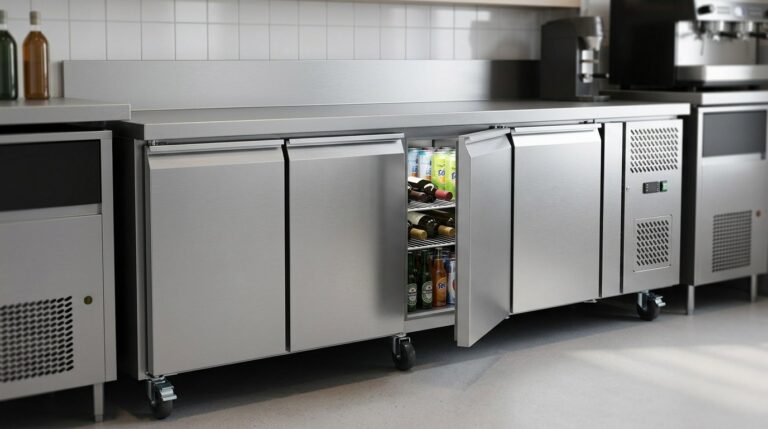
Choosing the Right Unifrost Solution: Under Counter Wine Fridge Alternatives
Explore Unifrost's bottle coolers and undercounter fridges as alternatives to under counter wine fridges for bars and restaurants.
Read guide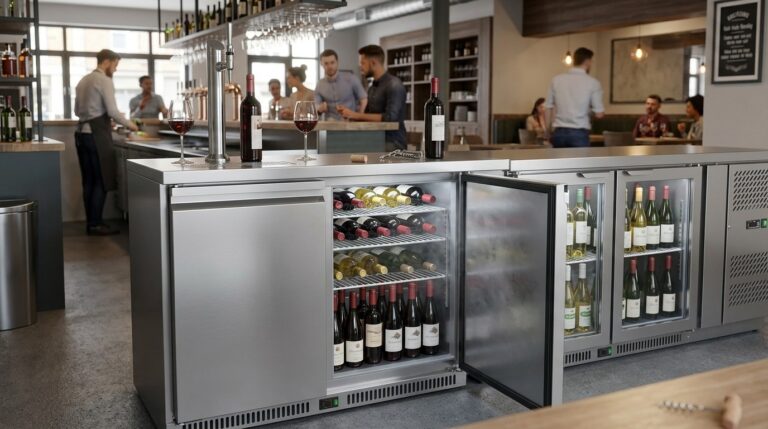
Optimizing Your Small Wine Storage: Unifrost Bottle Coolers in Focus
Discover how Unifrost Bottle Coolers serve as practical alternatives to small wine fridges in Irish hospitality settings.
Read guide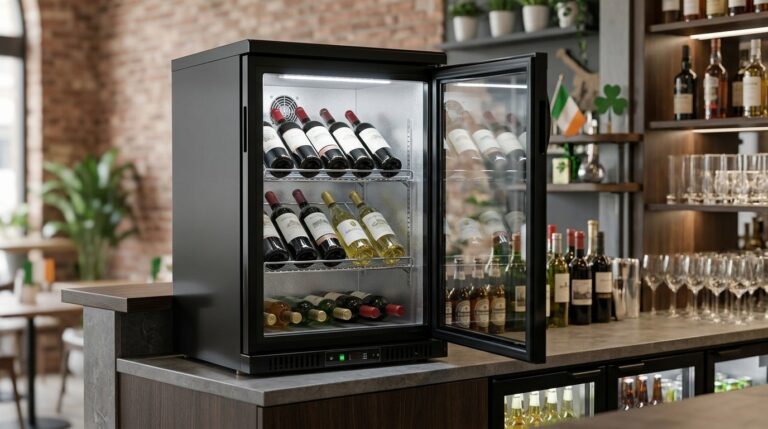
Choosing the Right Unifrost Bottle Cooler for Wine Display in Ireland
Guide to selecting Unifrost bottle coolers for optimal wine display in Irish bars and restaurants.
Read guideView Unifrost display fridges at Caterboss
For current product options, pricing and availability, continue to Caterboss.