
How do Unifrost bottle coolers handle energy consumption compared to wine coolers?
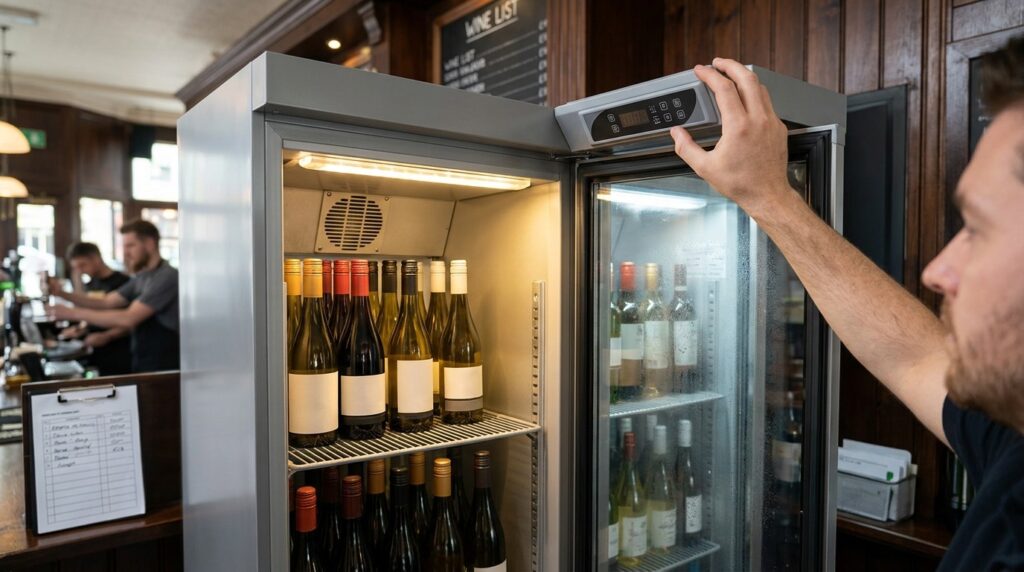
Unifrost bottle coolers are designed for high-turnover drinks service (doors opened frequently, quick pull-down, front-of-house display), so energy use is mainly driven by how they’re operated rather than the “wine coole
Need more detail? For model comparisons, setup steps and troubleshooting, see the related guides below.
Unifrost bottle coolers are designed for high-turnover drinks service (doors opened frequently, quick pull-down, front-of-house display), so energy use is mainly driven by how they’re operated rather than the “wine cooler” label.
In practice, energy consumption is most affected by:
Setpoint: Running very cold costs more. For wine display, avoid over-chilling and set the controller to the warmest temperature that still meets your serving needs.
Heat load and door openings: Busy bar service, warm stock going in, and frequent opening will increase run time.
Placement and airflow: Poor ventilation forces the system to work harder.
Night-time routine: Close the door properly, don’t leave it propped during clean-down, and avoid loading warm deliveries right before peak service.
If you need long-term cellaring conditions (very stable temperature, low vibration focus, and humidity control), a dedicated wine cooler may suit better. If your goal is reliable, presentable, front-of-house wine-by-the-glass storage, a Unifrost bottle cooler is often the more practical option for Irish bars and restaurants.
Read the full guide: Choosing the Right Unifrost Bottle Cooler for Wine Display in Ireland.
More help with this question
Compare models, maintenance advice and support information related to this topic.
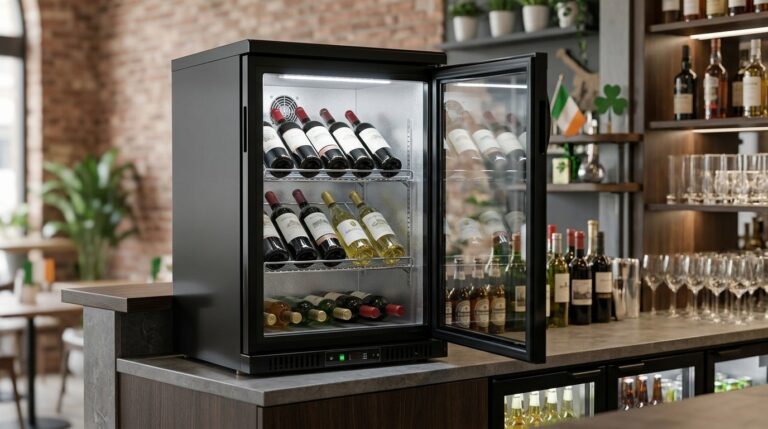
Choosing the Right Unifrost Bottle Cooler for Wine Display in Ireland
Guide to selecting Unifrost bottle coolers for optimal wine display in Irish bars and restaurants.
Read guide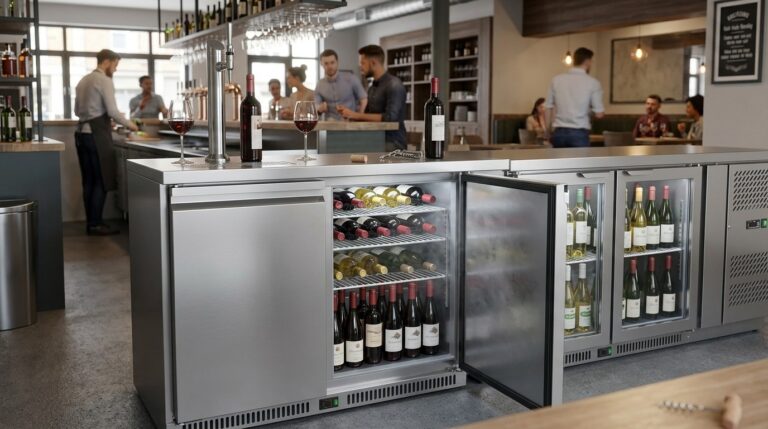
Optimizing Your Small Wine Storage: Unifrost Bottle Coolers in Focus
Discover how Unifrost Bottle Coolers serve as practical alternatives to small wine fridges in Irish hospitality settings.
Read guide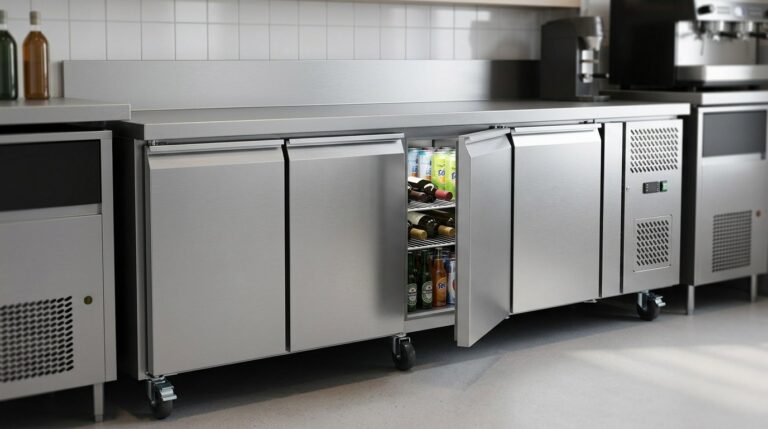
Choosing the Right Unifrost Solution: Under Counter Wine Fridge Alternatives
Explore Unifrost's bottle coolers and undercounter fridges as alternatives to under counter wine fridges for bars and restaurants.
Read guide