
Unifrost Commercial Fridge Not Cooling: Troubleshooting and Solutions
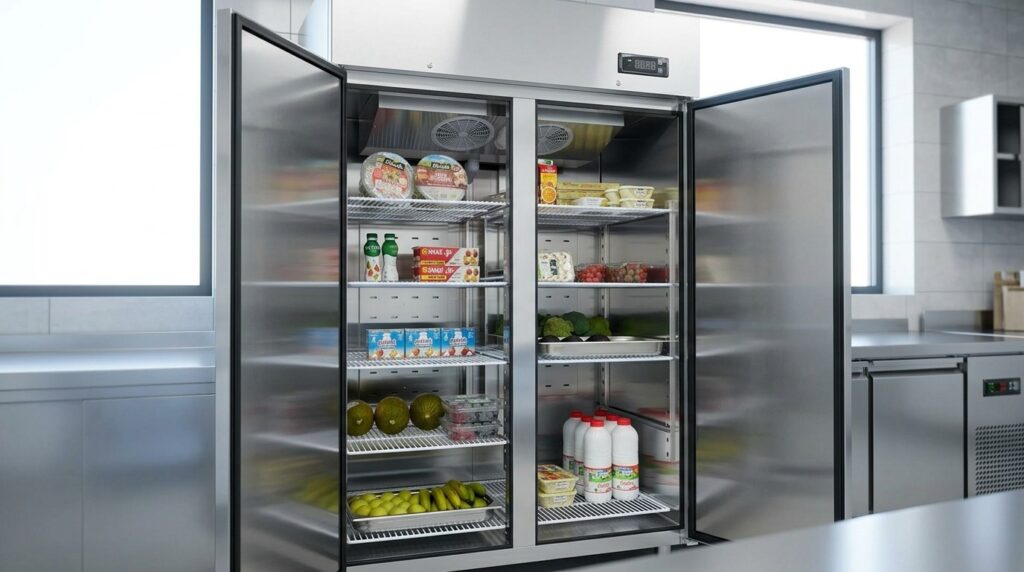
Identify causes and troubleshoot Unifrost commercial fridges not cooling. Practical steps to maintain food safety in Irish hospitality settings.
Unifrost Commercial Fridge Not Cooling: Checks, Causes and When to Call an Engineer
When your Unifrost commercial fridge is not cooling, you are balancing two urgent priorities: protecting food safety and getting service back quickly with minimal downtime. In a busy Irish café, pub, restaurant, bakery or shop, a few hours out of temperature can mean stock loss, HACCP risk and cancelled prep.
This guide helps you make the right calls without guessing. You will work through safe first checks you can do on common Unifrost formats including upright fridges (such as CR1800G, CR2230G, R1000SV, R1300SVN), counter, prep, saladette and undercounter fridges (such as CR1360FT, CR1800FT, SA136G, SA900GS, R200SN, R200SVN), plus display and bottle coolers. We cover what the symptom usually points to, how to check thermostat and controller settings, airflow and loading, door seals and frequent opening, ambient heat and ventilation space, and when cleaning the condenser or a simple power cycle is worth trying.
You will also learn the red flags that mean you should stop using the unit and call a qualified refrigeration engineer, especially where a fridge is running but not pulling temperature, temperatures are out of range for storage, or you suspect a sealed system or refrigerant issue.
What the Symptom Usually Points To
A Unifrost commercial fridge that is “not cooling” is nearly always one of two things: it cannot remove heat fast enough (settings, airflow, heat load, ventilation), or it has a refrigeration-side fault developing. For most food businesses, the issue is first spotted when product temperatures start drifting above your safe limits. The FSAI guidance is clear on the need for proper temperature control and monitoring in catering settings, so treat this as a food safety check as much as an equipment check: FSAI temperature control guidance for caterers.
One important nuance: “not cooling” can mean slow recovery after a busy service rather than a complete failure. Before you assume the worst (and lose time), separate load and airflow issues from component faults.
Settings and control issues (it is cooling, just not to the target)
If the setpoint has been changed, the cabinet can appear to be working but never get back to a food-safe temperature. In cafés, bars and pubs this often happens when someone adjusts the controller to silence an alarm, or mistakes the air display for actual product temperature.
Don’t rely on the display alone. Probe position, frequent door openings, and loading warm stock can all skew what the cabinet “thinks” is happening. Whether it’s an upright, an undercounter or a counter unit, the practical test is the same: confirm product temperatures (not just air temperature) and check that the target setpoint still matches your HACCP routine.
Airflow and heat-load problems (the most common “it worked yesterday” cause)
Poor circulation is a classic cause of sudden underperformance. Over-stocking, trays pushed tight to the back, blocked internal vents, or cardboard left on products can stop cold air moving properly around the load. You see it quickly on prep counters and saladettes during service because lids are constantly opened and warm, humid air keeps getting in.
Ventilation around the unit matters just as much. If an undercounter is boxed in under a tight gantry, or an upright is pushed hard against a wall beside a grill, combi oven or dishwasher, the condenser struggles to reject heat. Temperatures then creep up even though the fridge is “running”. This is common after refits, when a unit gets moved into a tidier position that turns out to be a hot corner.
Door sealing and moisture issues (cooling capacity wasted)
A door that is not closing cleanly, or a torn seal, creates a steady leak of warm air that can look like a refrigeration fault. Typical signs include condensation, icing around the door area, and stock softening nearest the door first. You’ll notice it fastest on bottle coolers and glass display units where doors are opened all day.
Moisture also drives frost build-up. Excess frost can restrict airflow across the evaporator, so the cabinet sounds busy but struggles to pull down. If the pattern is “it goes warm after a few days” and seems better after being left closed overnight, defrost performance and airflow are often the limiting factors rather than a total breakdown.
Refrigeration-side faults (when the basics don’t explain it)
If fans are not running, the compressor is not starting, or the system has lost refrigerant, the fridge may stay powered and noisy but fail to pull temperature down. Suspect this when temperatures stay high despite light loading, decent ventilation and doors kept shut, or when you see tripping, unusual cycling or persistent alarms.
At that point, treat it as an engineer job rather than a trial-and-error exercise. Refrigerant work in Ireland is F-Gas regulated. From an operator’s point of view, the priorities are protecting stock, keeping HACCP records straight, and avoiding repeat call-outs by ruling out the basics first.
Safe First Checks to Make
If your Unifrost commercial fridge isn’t cooling properly, start with checks that won’t risk stock, staff, or the unit. Confirm the controller setpoint, that the cabinet actually has power, and that air can move inside the cabinet and out through the ventilation area. Then check the door is closing and sealing properly, and look for obvious icing or a blocked condenser that stops heat being rejected. Keep in mind that “it’s running” is not the same as “it’s holding temperature”, especially during a busy Irish service with constant door openings.
1. Confirm the basics: power, controller setpoint, and what “not cooling” means
If the lights and fans are off, treat it as a power problem first. Check the plug, isolator switch, and whether the socket or breaker has tripped. Listen for normal operation (fans running, compressor cycling) before jumping to a refrigeration fault.
If it is running but not pulling down, check the controller display and the setpoint. Setpoints do get knocked during cleaning or restocking, particularly on uprights and counters with accessible keypads.
Be specific about the symptom:
Not cooling at all
Cooling, but very slowly
Warming up during peak service due to door openings
That last one matters with glass displays and bottle coolers. They can look “warm” quickly under heavy trade even when the system itself is working, simply because heat gain is high.
2. Check airflow inside the cabinet (loading, blocked vents, warm stock)
Poor airflow is a common reason a fridge “can’t keep up” on uprights, counters, saladettes and display units. If product is packed hard against the back wall or pushed into air outlets, the fridge can run constantly but never circulate cold air properly.
Quick operator fixes:
Pull stock forward from the back wall.
Keep internal fan covers and air vents clear.
Avoid stacking to the ceiling on uprights.
Also consider what went into the fridge. Loading warm deliveries, large pots, or freshly prepped food adds a big heat load. Recovery can take hours, especially if the door is opening constantly.
If the unit is beside a cooker line, pass, dishwasher, or in direct sun, treat ambient heat as part of the issue. Even a good cabinet will struggle if it’s constantly breathing in hot air.
3. Check ventilation space and the condenser area (safe visual check first)
Commercial fridges need space to reject heat. If a ventilation grille is blocked by dust, cardboard, or the unit is jammed tight against a wall, performance drops and the system can overheat.
Start with a visual check:
Is the grille visibly dusty?
Is anything blocking the airflow path?
Is the unit boxed in with no breathing room?
If your team is trained and it’s safe to do so, isolate the power before cleaning. Use a soft brush or vacuum. Don’t force anything into the coil area.
If ventilation was the issue, improvement is often gradual over the next hour or two, not instant. In the meantime, protect stock.
4. Inspect the door: closing, alignment, and gasket condition
A fridge that can’t seal will often “run but not cool”, because it’s constantly pulling in warm, moist air. Common signs are higher temperatures, condensation around the frame, and extra frost in certain areas.
Operator checks:
Make sure nothing is stopping the door closing fully (oversized gastronorms, bottles, liners, shelves out of position).
Inspect the gasket for splits, hardened sections, or areas pulling away.
Check hinge alignment. If the door needs lifting to shut, it’s usually not sealing properly.
Glass display and cake fridges are especially sensitive here, because they already deal with higher heat gain through the glazing and frequent opening.
5. Look for icing and defrost problems (don’t chip ice during service)
Ice where it shouldn’t be is a strong clue. Heavy icing around the evaporator area, back panel, or air outlets can block airflow and make the cabinet look like it has “stopped cooling”, even if the compressor is running.
Don’t chip ice with tools. It’s an easy way to damage coils and turn a manageable issue into an engineer callout. Instead:
Reduce door openings.
Re-check the door seal.
If you have a safe window, move stock to another unit and allow the fridge to defrost with the power isolated.
In takeaways, cafés and bars, repeated icing is often driven by moist air getting in all day. Fixing the seal and the workflow usually prevents a repeat.
6. Decide whether to keep it running, power-cycle it, or take it out of use
If temperatures are rising and you can’t get back to safe chilled holding quickly, treat it as a food safety issue, not just an equipment problem. In Ireland, chilled foods are generally expected to be kept at 5°C or below in food businesses, as set out in FSAI guidance on chilling.
A cautious operator approach:
Keep the door closed as much as possible and stop loading warm stock.
Move high-risk foods (cooked meats, dairy, prepared foods) to a known-good fridge or cold room.
If you power-cycle, do it once only: isolate power, wait 3 to 5 minutes, restart, and monitor whether temperature trends down within 30 to 60 minutes with minimal door openings.
If the unit is tripping, smells hot, is making unusual noises, or shows no improvement after these checks, stop using it for food storage and arrange a qualified refrigeration engineer. You’ll also get a quicker diagnosis if you can report what the controller shows, what the loading looked like, and whether ventilation and door sealing were clearly ruled in or out.
When the Issue Becomes More Serious
If a Unifrost commercial fridge isn’t holding chilled temperature, treat it as a food safety problem first and an equipment problem second. The Food Safety Authority of Ireland guidance for businesses is to keep chilled food at 0 to 5°C. If a cabinet can’t stay in that band consistently, you’re dealing with a cold-chain break with real HACCP implications. The longer it runs warm, the more stock you’ll need to move to another working fridge or take off sale, and the less likely the fix is a simple setting change.
What “urgent” looks like in a working kitchen or shop
If you see temperatures trending up and not recovering, act straight away. In cafés, pubs, hotels and convenience retail, frequent door openings and busy service can push a struggling cabinet over the edge quickly.
It’s urgent if any of the below are happening:
High-risk chilled foods are above your target temperature and still rising
The cabinet won’t pull back down after you stop opening the door for 20 to 30 minutes
You can feel warm air leaking around the door seal
The evaporator fan sounds wrong (noisy, intermittent) or stops
The compressor is short-cycling (starting and stopping repeatedly) or not running at all
Your first job is to protect stock and keep records. That usually means reducing door openings, checking what’s most temperature-sensitive first, and moving food to a known-good unit before you worry about the mechanics.
When it’s still safe to keep using it, and when to stop
If the temperature is only slightly off and the cabinet recovers to set temperature after you reduce door openings and improve airflow, you may be able to use it in a limited way short-term. Do it properly: verify with a calibrated probe, monitor more frequently than normal, and document your corrective actions.
If it won’t recover, or it’s warming even though it appears to be running, stop using it for high-risk chilled storage and move stock immediately. You can’t “make up” lost cold chain later. FSAI guidance for businesses is clear on holding chilled food at 0 to 5°C for safety and shelf life: FSAI advice on maintaining food temperatures.
Switching the unit off can be the right call if it’s clearly failing and you’re trying to avoid extra heat and repeated short-cycling in the room. Only do this after food is already moved to a reliable fridge or cold room.
When a “not cooling” fault is engineer territory
Once you’ve ruled out obvious operational causes (loading, airflow, door seals, blocked vents, basic controller settings), most “running but not cooling” problems need a qualified refrigeration engineer. If the unit is tripping, alarming repeatedly, icing up again quickly after defrost, or won’t pull down overnight with the doors closed, you’re likely into faults that are not safe or appropriate to DIY in Ireland.
This applies across upright fridges, counters and undercounters, saladettes, and glass display fridges. The practical approach is to keep staff focused on protecting stock and logging temperatures, then get a proper diagnosis so you’re not paying for repeat call-outs and repeat downtime.
Display and glass-front fridges: why they fall behind faster during trade
Glass display fridges, cake displays and bottle coolers are more sensitive to ambient heat, door opening and poor ventilation. A cabinet that looks fine first thing can fall behind after a lunch rush.
If the unit is beside heat and moisture sources, you’ll see the effect quickly, for example:
coffee machine exhaust
dishwasher steam
cooking line heat
tight fit with no ventilation gaps
In those conditions, product temperature can drift even if the controller only looks slightly out of range.
With that in mind, the safest next step is to start with quick, low-risk checks your team can do without tools or removing panels, before you book an engineer.
How to Prevent the Problem from Returning
Most repeat “not cooling” issues come down to the same few causes: poor ventilation, dirty heat-exchange surfaces, and day-to-day habits that add heat and moisture faster than the cabinet can recover. Build a simple routine around airflow, loading, door discipline and basic monitoring. If you suspect a sealed-system fault, do not let unqualified staff interfere with refrigerant circuits or controls.
1. Protect ventilation and avoid heat soak
Commercial fridges need to reject heat. If you box the unit in with tight joinery, cardboard, trays or stock piled around vents, it will run hot and struggle to pull down during service.
Also watch where it sits. If it’s beside a dishwasher, grill line, coffee machine exhaust, or in direct sun at a front counter, you are increasing the heat load before you even open the door. On display fridges and bottle coolers, keep supply and return vents clear, as lighting and frequent openings already add extra heat.
2. Load for airflow, not just capacity
Overloading is a common cause of warm pockets and slow recovery. Even if the cabinet is “full”, you still need air to move.
Leave visible gaps at the back wall and around internal vents and fan guards.
Avoid packing shelves tight mid-shift, especially when stock is coming in and out quickly.
On prep, counter, saladette and undercounter units, treat the top section as service stock, not bulk storage.
Do not put hot food straight into the fridge. Cool it safely first. A standard storage fridge is not a blast chiller, and using it like one leads to long run times, temperature swings and unnecessary strain.
3. Tighten door habits and deal with seals early
A door left ajar for a few minutes during a rush can look like a cooling fault for the next hour, particularly on glass door cabinets where heat gain is higher. Make “door shut” part of the line routine.
Keep shelving, trays and door racks aligned so nothing prevents the door closing. Wipe gaskets where spills happen and watch for tears, hardened corners, or doors that need a lift to close. A small seal problem is usually cheaper to fix than the stock and labour involved when temperatures drift.
4. Keep the condenser and intake areas clean
A dirty condenser is one of the most preventable causes of poor cooling and higher running costs. Set a cleaning frequency that matches your environment. A greasy kitchen or flour-heavy bakery will need checks more often than a clean back-of-house store.
Do the basics properly: isolate power, clear dust from the intake and condenser area using a soft brush and vacuum, and then put the unit back with proper clearance so it is not immediately starved of air again. If you find heavy grease matting, bent fins, or a fan that is noisy or not spinning freely, stop and book a service visit rather than forcing it.
5. Reduce icing and drainage problems before they become “not cooling”
Ice on the evaporator or a blocked drain will restrict airflow and often presents as “running but not cooling”.
Keep door openings tight.
Avoid loading wet, uncovered product that adds moisture.
Do not prop doors open for cleaning or stock takes.
If staff notice persistent condensation, pooling water, or a recurring ice pattern, treat it as an early warning. Those signs often show up before temperatures go out of range, giving you time to fix the cause without losing stock.
6. Put a simple monitoring and service routine in place
You prevent repeat issues by catching drift early and escalating before food safety is on the line.
Check and record cabinet temperature at open and close, and verify with a probe when something looks off.
Act on trends like longer pull-down time, noisier running, or warmer temperatures during peak service.
Schedule maintenance that suits your site conditions, not just “once a year”.
If an engineer visit is needed for refrigerant, compressor or sealed-system faults, use a technician with the correct F-gas certification for refrigeration work in Ireland, as outlined by the EPA guidance on training and qualifications for F-gases.
Connecting to Unifrost Support Ecosystem
If your Unifrost commercial fridge still isn’t cooling after the basic checks, stop using it for chilled storage until you can confirm it’s holding safe temperatures. Then use the Unifrost manual and troubleshooting notes to gather the right details, and bring in a qualified refrigeration engineer to diagnose the fault rather than guessing.
That is a food safety call as much as an equipment one. The FSAI advises chilled food should be kept at 5°C or below, so a cabinet that is running warm quickly becomes a HACCP issue, not just an inconvenience (FSAI guidance on chilling and cold storage). Also, a unit can sound “normal” while still failing to recover temperature due to restricted airflow, icing, or a control/defrost issue.
What Unifrost support can realistically help with (and what you should have ready)
Support is most effective when you can share clear, practical information that narrows the fault quickly. Whether it’s an upright, counter, undercounter, or display cabinet, the basics are the same because they affect diagnosis and parts selection.
Have the following to hand:
Model and serial number
Current displayed temperature and setpoint
What changed before the issue (busy service, deep clean, power cut, stock delivery, door left ajar, moved location, unusually hot kitchen)
Any controller alarm or fault code, written exactly as shown (one character can change the meaning)
When it’s safe to keep using the fridge and when to stop
If the cabinet is consistently holding 5°C or below and recovering properly after normal door openings, you can usually keep trading while you troubleshoot. Keep temperature logs up to date and keep door openings tight.
If temperatures are rising, swinging, or you cannot confirm product is staying safe, treat it as urgent:
Move high-risk food to a known-good fridge
Label and segregate anything in doubt
Record actions in your HACCP checks before service pressure forces a rushed decision
Support helps here because you’re not only fixing the unit. You’re protecting stock value and avoiding a compliance problem.
When you need an engineer (and why “running but not cooling” matters)
A fridge that has power, lights and fan noise but will not pull temperature down can point to issues you should not try to fix on site, such as a sealed-system fault, refrigerant leak, compressor problem, or a control/defrost fault that needs proper testing.
In Ireland, any work involving refrigerant handling must be carried out by an appropriately qualified F-Gas engineer. In practice, Unifrost support should be your route to the right level of service, not a workaround.
If you have cleaned what you can safely access, confirmed airflow, and the cabinet still will not recover, stop losing staff time on resets and get it assessed properly.
How support questions differ by cabinet type (upright vs counter vs display)
Support will often ask slightly different questions depending on the format, because the same symptom can have different causes:
Upright storage fridges: issues show up quickly when overfilled, stock is pushed hard against the back, or doors are opened constantly during service.
Counter and prep fridges: problems often come from hot pans being loaded, vents being blocked by gastronorm trays, or a condenser clogged with dust in a tight line kitchen.
Glass display and bottle coolers: more sensitive to placement and ambient heat load. Expect questions about where the unit sits, peak room temperature, and whether doors (or any night cover where fitted) are being used properly.
That context upfront usually gets you from “not cooling” to a useful next step faster.
Using Unifrost resources without turning it into a parts-guessing exercise
Use the manual and support notes to confirm controller settings, alarm meanings and any safe cleaning access points. Avoid ordering parts based on symptoms alone. A lot of “not cooling” calls come back to airflow, loading practice, or condenser cleanliness, and replacing components will not fix a cabinet that is effectively being starved of ventilation.
If you want to move quickly, treat your first contact with support like a short fault report: what it is, what it’s doing, what you’ve checked, and what you need to keep service running safely.
FAQs: Unifrost commercial fridge not cooling
What should I check first if my Unifrost fridge is not cooling properly?
Start with the quickest, lowest-risk checks:
Confirm power and operation: Is the unit actually running (lights on, controller on, fans/compressor sound)? Check the plug, isolator switch and breaker.
Check the door is sealing and closing: Make sure nothing is preventing the door from closing fully. Look for torn or loose gaskets and heavy frost or condensation around the frame.
Look for airflow issues: Don’t pack product tight against the back wall or air vents. If it’s an upright or counter unit, leave space for air to circulate.
Check the set temperature on the controller/thermostat and ensure it hasn’t been changed accidentally.
Inspect the condenser area for dust/grease (where accessible). A dirty condenser is a common cause of weak cooling in busy kitchens.
If you need to protect stock while troubleshooting, move high-risk food to another chilled unit and keep doors closed as much as possible.
Could incorrect temperature or thermostat settings be the reason my fridge isn’t cooling?
Yes. Incorrect settings are one of the most common causes of a Unifrost commercial fridge not cooling as expected, especially after cleaning, a power cut, or staff changes.
Practical checks:
Read the display carefully: Many controllers show both a current cabinet temperature and a setpoint. Make sure you are adjusting the setpoint, not just viewing the live temp.
Verify the setpoint is realistic for your use: If it’s set too warm, product will not pull down quickly enough.
Check for locked keypad or settings: Some controllers prevent changes unless unlocked.
Allow recovery time after large restocks or frequent door opening. A fridge can take time to pull down, particularly if warm stock was loaded.
If the setpoint looks correct but the temperature won’t drop, the issue is more likely airflow, heat load, condenser fouling, fan/defrost problems, or a refrigeration fault.
Can blocked vents or poor airflow cause my Unifrost fridge to stop cooling?
Yes. Poor airflow can make a unit appear to “stop cooling” even though the refrigeration system is trying to work.
Common airflow blockers in uprights, counters, saladettes and display coolers:
Overloading: Product stacked tight to the back panel or pushed in front of internal vents.
Blocked return air paths: Liners, trays, or packaging covering air intakes.
Insufficient ventilation around the unit: The condenser needs room to dump heat. Tight gaps, cluttered plant areas, or units installed beside hot equipment (ovens, dishwashers) reduce performance.
Dirty condenser coil: Grease and dust act like a blanket and quickly reduce cooling in kitchens.
Quick fix: rearrange stock to create clear air channels, keep doors closed, and clean accessible condenser filters/coils (only where safe and as per your site procedures). If icing builds up rapidly again, it may point to a defrost, fan, or door seal issue that needs attention.
When should I call a professional if my fridge is not cooling enough?
Call a qualified refrigeration engineer when any of the following apply:
Food safety risk: The cabinet temperature is outside your HACCP limits and not recovering quickly.
The compressor runs constantly but the temperature barely drops, or it cycles off/on unusually.
Alarms, error codes, or abnormal noises persist after basic checks.
Heavy icing on the evaporator area, repeated icing after defrost, or water leaking unusually.
Burning smell, tripped breaker, or visible electrical damage: switch off at the isolator and call immediately.
You’ve done the basics (settings, doors, airflow, condenser clean) and cooling is still weak after a reasonable recovery period.
When you call, have ready: the model details, a note of the current temperature vs setpoint, and what changed recently (restock, relocation, cleaning, power cut). This helps speed up diagnosis and reduces downtime.
How do I reset a Unifrost fridge to clear a minor cooling fault?
A safe “reset” is usually a power-cycle, which can clear minor controller glitches.
Protect stock first: Keep doors shut, and move high-risk items to another working fridge if the temperature is already out of range.
Turn the unit off at the isolator switch (or unplug if appropriate and safe).
Wait 3 to 5 minutes before restoring power. This pause helps protect the compressor from short-cycling.
Turn back on and monitor: Check the controller display, confirm the setpoint, and watch temperature recovery.
Avoid repeatedly switching on and off. If the unit resets but won’t pull down temperature, treat it as an underlying issue (airflow, condenser, fan/defrost, or refrigeration system fault) and arrange service.
Does a fridge running but not cooling mean low refrigerant?
Not always. A fridge that runs but doesn’t cool can be caused by airflow problems, a dirty condenser, failed fans, defrost/ice build-up, door seal leaks, or control faults.
Low refrigerant (from a leak) is one possible cause, but it is not the first assumption and it is not a DIY fix. In Ireland, refrigeration work involving refrigerant must be handled by an appropriately qualified professional.
Practical guidance:
If you’ve ruled out settings, doors, airflow and condenser cleaning and cooling is still poor, arrange an engineer visit.
Ask the engineer to check for leaks, pressures, and system performance, not just “top up” refrigerant. A top-up without finding the leak usually means the problem will return.
If you suspect a refrigerant issue or the unit is not maintaining safe temperatures, reduce use, protect stock, and book service.
Next step: choose the right Unifrost refrigeration for your site
If recurring downtime or capacity limits are behind your unifrost commercial fridge not cooling issues, it may be time to match the unit to your service load and kitchen layout.
Explore Unifrost’s range of upright fridges, counter and undercounter fridges, prep/saladette fridges, and display coolers on Unifrost.ie, and use the product pages to shortlist options that suit your space and workflow.
View Unifrost fridges at Caterboss
For current product options, pricing and availability, continue to Caterboss.