
Unifrost F410SS Upright Freezer Use Cases in Irish Kitchen Settings
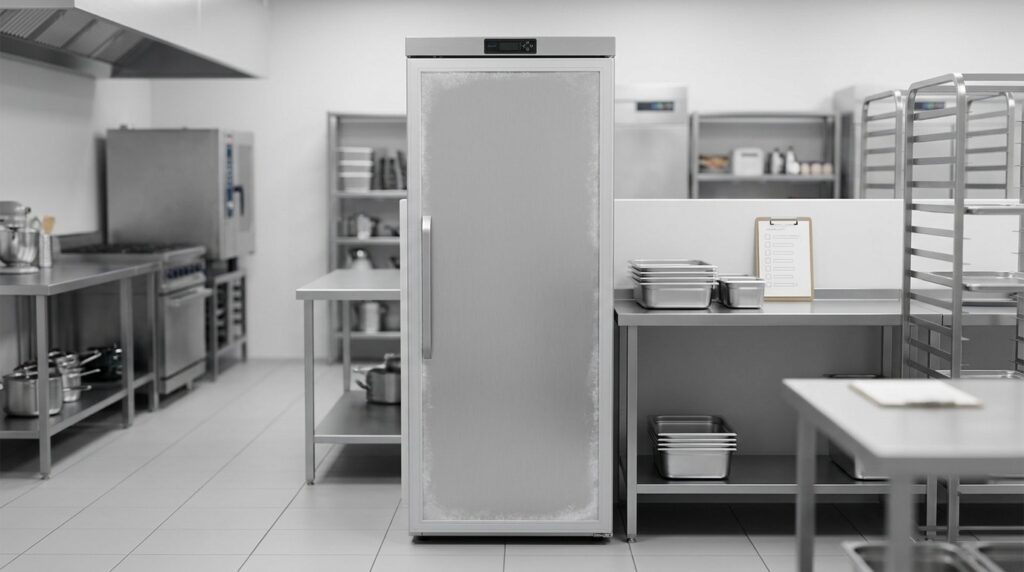
Explore ideal Unifrost F410SS freezer use cases in Irish kitchens. Boost reliability, reduce waste, fit menu needs. Compliant with HACCP.
Unifrost F410SS Upright Freezer Use Cases for Irish Commercial Kitchens
You use the Unifrost F410SS upright freezer when you need single door, 400 L class frozen storage that fits real Irish kitchen workflows without slowing service or creating HACCP headaches. The value is not just capacity, it is how you place it, load it, and set it up so it holds temperature reliably during busy pull downs.
This guide helps you decide where the F410SS works best in your operation, for example as a service line freezer for fast access versus a backup and bulk storage unit. You will work through the practical checks that affect performance and running costs, including room temperature, ventilation clearances, door opening patterns, and how you organise shelves and GN pans to keep airflow and stock rotation strong.
You will also see common setup and day to day mistakes to avoid, what to verify on the controller and alarms after install, and how to tailor zoning, labelling, and loading plans for venues like cafés, pubs, hotels, schools, and takeaway kitchens in Ireland.
Why the Unifrost F410SS Matters for Irish Kitchens
The Unifrost F410SS matters because it fits a very common Irish kitchen reality: you need an upright freezer that supports repeatable, low-fuss frozen storage during busy service, not just on paper in a spec sheet.
A practical benchmark to keep in mind is -18°C for frozen holding. The Food Safety Authority of Ireland notes that food can continue to be kept frozen as long as the temperature stays below -18°C, which is the line you are trying to protect during real-world interruptions and heavy door opening (FSAI guidance on power outages and frozen food). Whether you can consistently hold that comes down to the cabinet, but also placement, ventilation, door discipline, and how you load stock so air can circulate.
Where the F410SS earns its keep in Ireland
In a small café kitchen, a single-door upright like the F410SS often becomes the “controlled portion” freezer: pastries, par-baked breads, chips, frozen berries, or pre-portioned proteins. The big advantage is quick access without staff digging through bulk stock.
In pubs and casual dining, it usually sits close to prep or service as the dependable unit for core lines. Here, consistency and straightforward organisation matter more than extra features you will not use mid-shift.
In hotel banqueting and catering, the value is in repeatable racking, labelling, and checks. An upright layout makes it easier to run HACCP routines, reduce time with the door open, and avoid trays being moved around and partially thawed.
Reliability that shows up in service
Freezer reliability is not just “fewer breakdowns”. In practice, it means fewer temperature dips, fewer product write-offs, and less time spent reacting to alarms or soft product during peak periods.
If you can standardise one upright-freezer way of working, you also standardise:
setpoint checks and controller habits
labelling and stock rotation
what “good” loading looks like (not blocking airflow)
door discipline across shifts
That is where the time savings turn up, on an ordinary Tuesday lunch as much as during December functions.
Why an upright format often beats a chest freezer on the line
For many Irish restaurant, café, and hotel kitchens, upright access is faster and clearer. It is easier to segregate product by station, allergen, or use, and you typically spend less time rummaging with the door open.
Chest freezers can still be the right call for bulk storage in a back area, but they tend to slow you down when you need frequent access and quick visual stock control.
The trade-off is straightforward: uprights need proper ventilation and disciplined loading, because performance relies on clear airflow paths, not a “cold pit” of product.
A useful reference point when you run mixed refrigeration
If you run a mix of freezers and cook-chill routines, an upright freezer in the F410SS mould often works well as the “bridge” between production and service.
A common waste-reduction workflow in Irish kitchens is:
batch cook
chill correctly
portion and label
freeze in defined zones so staff can pull what they need quickly
Get that planning right, and an upright freezer is easy to live with. Get it wrong, and even a good unit becomes a nuisance through overloading, blocked airflow, and constant door opening.
Key Factors to Consider for Effective Use
Measure the footprint and the access route first. Then decide whether the Unifrost F410SS is supporting service on the line or acting as back-up bulk storage. Site it where heat and door traffic are manageable, and protect airflow both around the cabinet and inside it so it can pull down and recover reliably. Finally, focus on energy-smart habits such as sensible loading, disciplined door use, and routine cleaning. Treat any temperature or alarm changes as HACCP-critical decisions, not casual “settings tweaks”.
1. Confirm the unit’s size and how you will actually load it
The F410SS sits in the single-door upright category, a common fit for Irish cafés, pubs and smaller hotel prep areas where floor space is tight but you still need upright access and quick stock visibility.
Before you settle on a location, check the practical constraints that cause most headaches later:
Door swing and handle clearance
Standing room to open shelves and pick stock during service
The full access route: corridors, lifts, tight turns and thresholds (and whether doors/frames would need to come off to get it in)
Decide early how it will be used, because that should drive how you set up shelves and stock rotation:
Service-support freezer (chips, wings, desserts, gluten-free bread): prioritise fast access, clear labelling, and a layout that reduces “grazing” with the door half open.
Bulk or contingency storage (banqueting prep, seasonal stock, back-up protein): prioritise stable stacking, dated rotation, and leaving space for airflow so recovery time stays predictable after loading.
2. Choose placement based on kitchen type, heat load, and staff movement
In Irish kitchens, the biggest placement mistakes happen when the freezer is treated like neutral furniture. It is a heat-moving machine, and where you put it affects recovery time, running cost, and nuisance alarms.
Small café kitchens: avoid siting it right beside a hot pass, combi-oven vent, or dishwasher exhaust. Radiant and extracted heat pushes up run time and slows temperature recovery after door openings.
Hotel banqueting, schools, canteens: keep it close enough to prep to avoid long walks with frozen stock through warm zones, but far enough from pinch points that staff or trolleys are not bumping the door during peaks.
Pubs and takeaways with tight back corridors: plan for door-open time as much as distance. If it is a line freezer, place it so one person can open, pick, close, and step away without blocking the route to fryer, grill, or pass. If it is back-up storage, a calmer store area can work better, provided the ambient conditions and ventilation suit a refrigeration cabinet.
3. Protect ventilation and airflow around the cabinet and inside the freezer
Upright freezers rely on airflow to remove heat from the system and to keep cabinet temperature even. Give it proper breathing room and keep ventilation paths clear. Cardboard “temporarily” stored beside or behind a cabinet has a habit of becoming permanent, and it will cost you in performance.
If your site runs hot in summer, has crowded back-of-house spaces, or weak extraction, treat ventilation as a reliability issue as well as an energy one.
Inside the cabinet, airflow is where performance meets food safety:
Do not pack product hard against internal air outlets or block air return paths with bags, boxes, or GN pans.
Avoid overfilling to the point that air cannot circulate, especially if the door is opened repeatedly during service. You will see slower pull-down and bigger temperature swings.
For HACCP, remember that frozen food should be held at safe frozen temperatures. The FSAI notes that food can remain frozen if it stays below -18°C during disruption events such as power outages, as outlined in their guidance on freezer temperatures after outages: https://www.fsai.ie/business-advice/running-a-food-business/caterers/flooding-of-a-food-business
4. Control energy use with operating habits that suit Irish service patterns
With an upright freezer, energy control is mostly operational. Short, deliberate door openings, grouping picks (take everything you need in one open), and avoiding warm loading during peak service usually matter more than chasing small controller adjustments.
Where possible:
Do heavier loading and stock organisation during quieter periods.
Avoid loading large volumes of unfrozen or warm product in the middle of service, when the freezer is already under pressure from frequent door openings.
Maintenance and day-to-day discipline affect running cost:
Keep door seals clean and check the door closes positively every time.
Do not let ice build-up or blocked vents become “normal”. It reduces capacity and steadily increases energy use.
If you are tempted to change controller parameters to reduce alarms or save power, treat it as a controlled change with sign-off in your HACCP routine. Any marginal saving is not worth uncertainty around frozen stock integrity.
Common Mistakes and How to Avoid Them
Treating an upright freezer as “plug in and forget” is where problems start. In real kitchens, frequent door openings, hot ambient temperatures, and rushed loading can lead to temperature drift, soft product near the front, or ice building up around the airflow path. Once stock has started to defrost, it becomes a food safety decision and you need records to back up what you did next.
Placement and ventilation mistakes that slow recovery
A common error is squeezing a single-door upright into a dead corner beside ovens, dishwash, or a hot pass because it “fits”. The unit then struggles to shed heat, recovery after door openings slows, and you get more frosting and nuisance alarms. Staff start ignoring alarms, which is how a small issue turns into a stock loss.
If the freezer needs to sit near service, plan for airflow and access. Keep it away from heat and steam sources, and make sure the door can open fully without trolleys or crates parked in front. In older Irish hotel kitchens and basement prep areas, watch for plant-room heat and poor air change. A space that stays warm all day will punish any upright freezer.
Loading and GN workflow that blocks airflow
Upright freezers in this size range often end up holding pre-portioned GN pans for cafés, banqueting, and prep. The mistake is packing it like a press. If pans, boxes, or bags are pushed hard against the back or packed tight front-to-back, you restrict airflow. That creates warm spots, slows pull-down, and increases the chance of partial thaw on the most-handled items.
A practical rule is: portion for speed, store for airflow. Leave visible gaps, keep like-with-like together, and avoid loading warm product in volume. If you’re running cook-chill, use a blast chiller for rapid chilling and then use the upright freezer for stable frozen holding, not emergency freezing.
Controller and alarm changes that create “mystery” faults
Another avoidable problem is changing controller or alarm parameters without writing down what was changed. When an alarm happens later, troubleshooting becomes guesswork. The freezer can look unreliable when the real issue is settings drift, loading practice, or door-opening patterns.
Across multiple sites, it helps to standardise setpoints, alarm behaviour, and staff checks, and to log changes as part of HACCP. For any suspected temperature event, follow recognised guidance and make disposal decisions based on evidence. The Food Safety Authority of Ireland notes that frozen food can only be considered still frozen if it remains below -18°C: FSAI guidance on power outages and frozen food.
Day-to-day habits that shorten lifespan and push up running costs
Most performance issues start with routine habits rather than parts failure, especially in cafés, takeaways, and pub kitchens where the door is opened constantly during rush. The usual culprits are:
Leaving the door ajar during picking or labelling, which drives ice build-up and slows recovery.
Ignoring ice and gasket issues until the door no longer seals properly.
Skipping temperature checks because the display “looks right”. Your HACCP records should reflect actual monitoring: FSAI Safe Catering Pack refrigeration record.
Using the freezer as a cardboard store, which blocks airflow and makes cleaning harder.
Treating a service-line freezer like bulk storage. The door-opening pattern is completely different, so the discipline needs to be different too.
Fix these habits first. Then you can judge the real question: whether this upright format suits your workflow, or whether you need more capacity, a different footprint, or a dedicated line freezer to protect service stock.
Tailoring Use to Specific Venue Needs
Tailoring a Unifrost F410SS upright freezer to your venue means setting it up around your menu, peak trading hours, staff flow, and HACCP routines, not just treating it as “more freezer space”. Start by deciding what job it’s doing:
Service-line freezer: frequent access, quick picking, more door openings. Prioritise layout and speed.
Holding/bulk freezer: fewer openings, longer storage, steadier temperatures. Prioritise stock control and rotation.
The same upright can perform very differently in a hot, cramped kitchen compared with a cooler dry store. Placement and day-to-day habits often matter as much as the model.
Café and small deli: speed, portion control, and tidy “grab-and-go”
In a café, an upright freezer pays for itself when it takes pressure off the two predictable crunch points: morning set-up and lunch. Typical lines include bake-off items, portioned soup bases, sliced bread options (including allergen-controlled), and labelled tubs of batch-cooked sauces or fillings.
If staff are in and out all day, treat it like a service appliance:
Keep the fastest-moving items at easy reach.
Close the door quickly and avoid “standing with the door open deciding”.
Don’t pack shelves tight. Airflow is what keeps recovery steady after repeated openings.
Hotel kitchens and banqueting: planned batches and clean staging
Hotels usually get the best result when an upright is used as a staging freezer for planned production, not a general dumping ground. It suits clearly labelled batches such as desserts, sauce portions, stock reductions, par-cooked sides, and event-specific proteins so you can pull a known count quickly during service.
If you’re loading after a function, be disciplined:
Leave space around trays and containers so cold air can move.
Avoid cramming. Tight packing is a common cause of uneven temperatures and awkward temperature checks.
Pubs and busy casual dining: protecting top sellers at Irish peak times
For pubs with weekend rushes, sport-driven spikes, and seasonal menu swings, the aim is usually simple: don’t run out of core lines mid-shift. That often means dedicating shelves to high-volume items (chips, wings, goujons, burger portions, gluten-free substitutes) and sticking to rotation so older stock doesn’t disappear behind new deliveries.
Positioning is a trade-off. Having an upright close to the line improves speed, but only if you can keep:
Safe door swing and clear working space.
Enough room around the unit for airflow and day-to-day cleaning.
Takeaways: predictable picking with minimal door-open time
In takeaways, the win is a freezer layout that supports fast picking when tickets stack up. Use the F410SS for items genuinely “in the flow” of service, such as portioned proteins, sides, and labelled components for deals. If you have the option, keep slower-moving bulk stock elsewhere so the service freezer stays organised.
A useful rule: set it up so one person can pick a full rush load without rummaging. Rummaging is where temperature drift, damaged packs, and mis-picks start.
Schools and contract catering: compliance, clarity, and safer substitution
For schools, staff canteens, and contract sites, tailoring is mostly about consistency and auditability. Organise the freezer so it’s obvious what’s in stock, what’s allergen-controlled, and what’s approved for substitution when deliveries slip. Labelling should support routine checks and shift handovers.
From a food safety point of view, frozen storage is typically managed at -18°C or colder in professional kitchens, including Irish operations following FSAI guidance on temperature control for frozen food.
Service-line versus backup/bulk use changes how you load it
If the F410SS is a service-line freezer, accept that door openings are part of the job. The priority is fast access, neat loading, and quick closes, not maximum fill.
If it’s backup or bulk storage, the priority flips to stock rotation, durable packaging, and limiting access to keep temperatures stable. That often makes HACCP checks easier in multi-shift kitchens.
Most Irish sites land on a hybrid. It works best when you’re strict about what belongs in the “front” zone (high-turn) versus “deep storage” (low-turn), so priorities don’t get mixed under pressure.
These venue choices feed directly into day-to-day performance: where you place the freezer, how you ventilate around it, how you load it, and how consistently you check and record temperatures.
Optimising Workflow Around the F410SS
Getting good results from an upright freezer like the Unifrost F410SS comes down to how you use it day to day: is it part of the service line, or is it backup and bulk storage? The key difference is door-open behaviour. Service-line use means lots of short openings. Backup storage means fewer openings, but heavier loading, bigger picks, and more time spent organising.
Either approach can work in an Irish kitchen. The right choice depends on menu churn, where staff actually walk during service, and whether other coldholding (prep fridges, deli counters, undercounters) is already doing the heavy lifting.
How do service-line use and backup storage compare overall?
Service-line use suits cafés, pubs, and hotel kitchens where you need frequent access to a short list of frozen staples (chips, wings, portioned proteins, dessert lines). The benefit is speed: stock is close to the pass or fry station. The trade-off is performance pressure. Lots of door openings, especially near hot kit or in a tight run, increases the risk of slower temperature recovery and icing if door discipline slips.
Backup storage suits banqueting, schools, healthcare and high-volume takeaways where frozen storage is about labelled batches, allergen-controlled items, and event buffers. The benefit is control: planned picking, cleaner rotation, and less disruption during service. The trade-off is operational. If it’s too far from prep, people will start “temporarily” using other cabinets, rotation gets muddled, and HACCP checks become harder than they need to be.
Food safety is the constant either way. Your baseline is still hard-frozen storage and clear corrective actions if temperatures drift. The FSAI notes that food can remain frozen as long as it stays below -18°C during a disruption scenario such as a power outage (FSAI guidance).
Service-line setup (fast access, tight control)
If the F410SS is on the service line, set it up around how you actually work during real pressure periods (Sunday lunch, match days, busy bar food, functions). The goal is fewer “open door decisions”.
Zone by usage, not by category. Keep the highest-churn lines at the easiest reach points so staff can grab and close. Put slower movers higher/deeper so nobody is rummaging while tickets stack.
Reduce “search time”. If it takes more than a few seconds to find common items, you’ll pay for it in temperature swings and frost.
Think airflow and access, not headline capacity. Overpacking, uneven stacks, or packaging that snags leads to longer door-open time and inconsistent holding.
If you’re using GN pans or portioned trays, consistency matters. Keep pack heights predictable, wrap or lid securely, and avoid cramming stacks so tightly that air can’t move around them. In busy open-close cycles, the items on the top and at the front tend to take the hit first.
Controller stability matters as well. In service-line use, avoid changing settings unless you have a clear reason and you record what you changed. In most kitchens, predictable recovery and sensible alarms beat chasing a “perfect” display number.
Backup or bulk storage setup (planned picking, event resilience)
For backup storage, treat the F410SS like a small frozen store with rules that hold up when you’re busy and short-staffed.
Label clearly and rotate. Dated stock and obvious zoning reduce waste and avoid the “mystery tray” problem.
Pick in runs. Use a simple pick-list approach for functions so you’re not holding the door open while someone figures out what’s needed for which wedding.
Build around delivery and prep cycles. A common hotel rhythm is load after delivery, pick into labelled crates ahead of the weekend, and keep the freezer closed during the event unless you’re replenishing on a set schedule.
Have a realistic failure plan. Losing frozen stock mid-function isn’t just product cost, it can take menu items off the board. Practical options on many Irish sites include agreed emergency space in another freezer, insulated boxes for internal transfers, and one nominated person responsible for the move and the temperature logging.
Which is best for you?
Choose service-line use if most openings happen during peak service and you need fast access to a short, high-churn list. Place the unit where staff can step to it without crossing the hottest section of the cook line.
Choose backup storage if your biggest risks are function volume, delivery timing, or batch-prep dependence, and you can stick to planned picks and rotation discipline.
If you’re split, run a hybrid: keep the F410SS for bulk and event buffers, and use a nearer cabinet (or a dedicated section in another unit) for the 10 to 20 items that drive most service grabs.
Once you’re clear on the workflow you’re optimising for, it’s much easier to sanity-check placement, loading habits, and day-to-day performance.
Practical Next Steps for Better Freezer Management
To run an upright freezer like the Unifrost F410SS well day to day, you need three things: a clear temperature standard, a layout that keeps door-open time down, and a routine your team will actually follow when service is busy. That combination is what keeps frozen stock usable and your HACCP records defensible.
1. Set your “house standard” temperatures and alarms before you fill it
Pick one frozen storage standard and stick to it. For most Irish HACCP systems, the practical baseline is to keep product at or below -18°C. Treat any persistent drift above -18°C as an action point. The FSAI notes that food can remain frozen during an incident such as a power outage as long as it stays below -18°C (FSAI guidance on power outages and freezer temperatures).
Set alarms so they’re useful, not noisy. If an alarm triggers every time someone grabs chips, staff will tune it out. If it’s set too wide, you can miss a real problem. If you’re not completely sure what an “advanced parameter” on the controller does, don’t change it mid-shift. Make one change at a time, note it in your HACCP paperwork, and confirm performance with an independent probe once the cabinet has stabilised.
2. Build a loading and labelling layout that protects airflow and reduces door-open time
The quickest win with an upright is cutting down “hunt time”. Give each shelf a clear purpose that matches how your kitchen runs. A café might zone by daypart (breakfast, lunch prep, pastry backup). A hotel or banqueting kitchen might zone by function (veg sides, proteins, desserts) so nobody is pulling out half the freezer during a function.
Don’t pack stock hard up against the back or sides. Upright freezers depend on air movement to recover temperature after door openings, and blocked airflow is a common reason units “feel unreliable”. If you store GN pans or lidded gastronorms, leave intentional gaps and keep like-with-like portions together so staff can lift one pan without rearranging a shelf.
Label for speed and for HACCP: what it is, date frozen, use-by, and allergen status if the freezer is part of an allergen-control setup.
3. Put a monitoring routine in place that matches Irish enforcement reality
Temperature control only helps if you can show it was controlled. Many Irish operators use the FSAI Safe Catering Pack approach, and Recording Form 2 is designed for logging fridge and freezer temperatures (FSAI Safe Catering Pack Record Books including Recording Form 2).
Keep it simple and repeatable:
One daily check of the controller display.
One daily spot check with a calibrated probe (between packs or in a dedicated test pack).
A note of any corrective action taken.
Where it falls apart is weekends and split shifts. Assign ownership by role (for example, duty manager or breakfast chef) so it still gets done when the usual person is off.
4. Fix the common Irish site issues that make an upright freezer “feel unreliable”
A lot of temperature complaints are installation and workflow issues rather than a fault. If the freezer is in a hot prep room, tight to a wall, or beside a heat source, it will run harder, recover slower, and typically cost more to run.
Treat ventilation as an operational discipline, not a once-off install detail. Don’t let cardboard, flour sacks, trays, or spare GN pans block airflow around the unit. Don’t allow staff to wedge the door open during deliveries.
If the freezer is doing service-line “pick” duty, look at placement. Moving it closer to the pass or portioning area can turn long door-open searches into quick grabs, which is better for temperature stability and reduces icing and wear.
5. Create a simple incident plan for drift, breakdown, or power loss
Write down what happens when temperatures drift or an alarm sounds: who gets called, where stock is moved, and how temperatures are checked and recorded. Decide in advance what gets priority if you need to move stock quickly (high-value proteins, allergen-controlled items, function stock due out within 24 hours).
Avoid informal “we’ll chance it” decisions when service pressure hits. If you’re heading into a busy weekend, wedding season peak, or a big GAA weekend, plan loading so you’re not putting warm product into the freezer right before heavy door traffic. That combination is where recovery struggles and HACCP paperwork gets messy.
These steps make the F410SS easier to manage day to day. They also help you spot when layout, service style, or stock mix is pushing an upright freezer into the wrong job, which is worth considering before you add more capacity or change format.
FAQs for using the Unifrost F410SS upright freezer in Ireland
What temperature should a commercial upright freezer like the Unifrost F410SS be set to for safe frozen food storage in Irish kitchens?
For day-to-day frozen food storage, set an upright commercial freezer to -18°C (or colder) and aim to hold product at -18°C.
Practical Irish kitchen tips:
Setpoint vs. product: the cabinet air can fluctuate during door openings. Verify with a probe between packs or in a product simulator rather than relying only on the display.
Allow headroom in busy service: if the freezer is opened frequently (banqueting prep, dessert pick-ups), many operators run a slightly colder setpoint to keep product safely at -18°C during peaks.
Record it: log the displayed temperature and a periodic product check as part of HACCP, especially after deliveries, deep cleans, or menu changeovers.
How do I change or check the temperature setpoint on a Unifrost upright freezer’s digital controller?
Most digital freezer controllers follow a similar workflow:
Check the current setpoint: press the SET key briefly. The setpoint value will display.
Change the setpoint: press and hold SET for a few seconds until the value flashes, adjust with ▲/▼, then press SET again to save.
Wait for stability: give the cabinet time to pull down and stabilise before judging performance. Avoid changing settings repeatedly during this period.
If your controller buttons are locked, look for a key/lock icon or a long-press unlock (varies by controller). If you are unsure, take a photo of the controller face and button labels and match instructions to that exact controller model rather than guessing.
Why is my upright freezer (e.g., F410SS) not reaching or maintaining the set temperature?
The most common causes are operational and site-related rather than a failed freezer. Work through these checks in order:
Door and gasket seal: check the door is closing fully, the gasket is clean, and nothing is preventing closure (GN lips, boxes, liners). A poor seal causes constant warm air ingress and heavy ice.
Airflow inside the cabinet: do not pack stock hard against the back or block internal air channels. Leave gaps between boxes and avoid overfilling shelves.
Condenser ventilation: make sure the unit has breathing space and that intake/exhaust vents are not boxed in by walls, shelving, or clutter. Dusty condensers also reduce performance.
Ice build-up: heavy ice on internal panels or around fans can restrict circulation. If safe for your operation, defrost and restart, then review door-opening habits.
Loading and deliveries: loading large quantities of warm product (or frequent door openings during banqueting prep) can cause long pull-down times. Stage product colder before loading where possible.
Ambient heat and location: hot prep areas, dishwash, direct sun, or being wedged in a tight corridor can push an upright freezer beyond what it can comfortably reject.
If the basics look good but temperatures still drift, note the current temperature, setpoint, alarm messages, and when the problem occurs (after defrost, after deliveries, only at peak service). That information speeds up troubleshooting and reduces downtime.
Next step: compare Unifrost freezer options for your site
If you are weighing up upright vs chest, sizing for banqueting peaks, or simply want a freezer that suits your layout and workflow, it helps to compare the current Unifrost frozen storage options side by side.
Browse Caterboss’s Frozen Storage category to see available freezer types and choose the best fit for your Irish kitchen.
Related Unifrost guides
Compare models, maintenance advice and support information related to this topic.
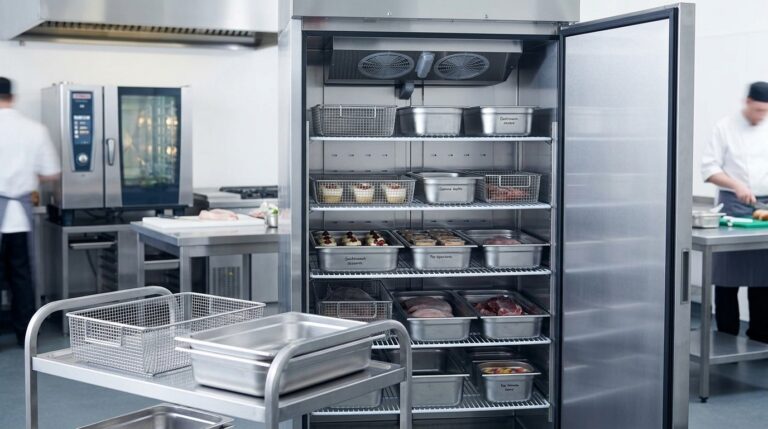
Optimizing GN Basket Plans for Unifrost F410SS Upright Freezer in Hotel Banqueting
Explore GN basket planning in the Unifrost F410SS for Irish hotels. Optimize layouts for efficiency in banqueting.
Read guide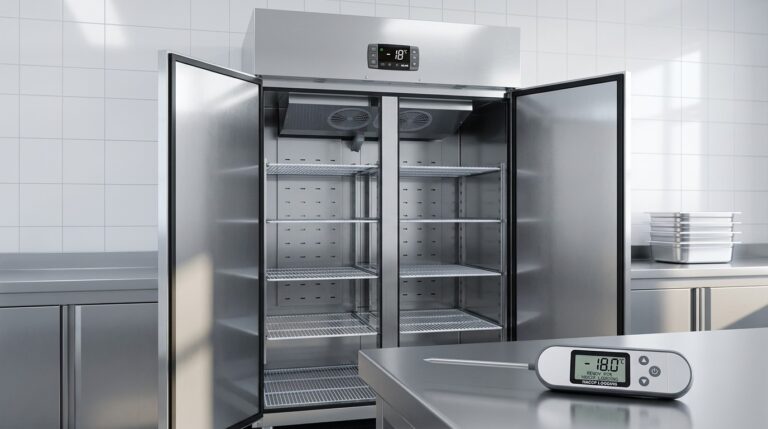
Unifrost Upright Freezer Temperature Controller: New Owner Core Overview Guide for Irish Kitchens
Learn to set up and manage Unifrost upright freezer controllers for Irish kitchens. Essential guide for safety and efficiency.
Read guide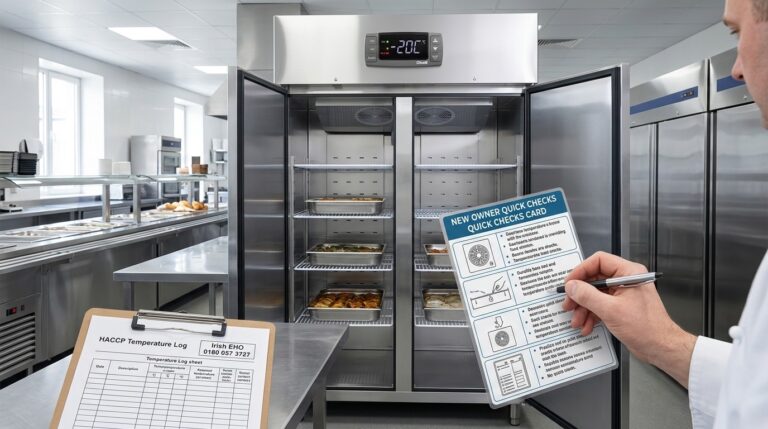
New Owner Quick Checks for Unifrost Upright Freezer Temperature Controllers
Quick reference for setting and checking Unifrost upright freezer controllers in Irish hotel service lines.
Read guideCompare Unifrost freezer options on Caterboss
For current product options, pricing and availability, continue to Caterboss.