Are there energy cost differences between using the F410SS and BC14U?
 FAQ
FAQ
Yes, but the difference is usually about how you use them, not just the label on the front.
Need more detail? For model comparisons, setup steps and troubleshooting, see the related guides below.
Yes, but the difference is usually about how you use them, not just the label on the front.
F410SS (upright freezer): typically runs as a steady holding appliance. Energy use is driven by ambient temperature, door openings, how often it has to pull temperature back after loading, and how well airflow is maintained.
BC14U (blast chiller): uses short, high intensity cycles to pull heat out of hot food fast. That can mean higher peak electricity demand during cycles, but it can also reduce waste and labour by removing guesswork and shortening cooling time.
A common hidden cost is using a storage freezer to cool hot food. It forces long recovery times, warms other stored food, and can increase compressor run time. If you are regularly cooling hot product, a blast chiller often costs less overall once you factor in food safety risk, spoilage, and staff time.
Read the full guide: Unifrost F410SS vs BC14U: Blast Chiller and Freezer Comparison.
More help with this question
Compare models, maintenance advice and support information related to this topic.
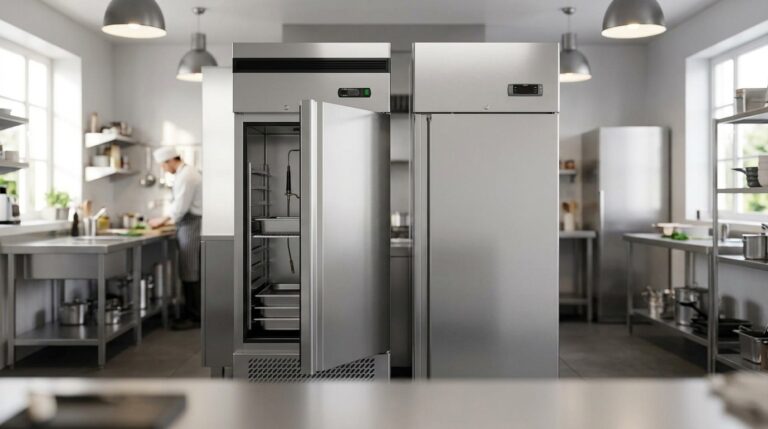
Unifrost F410SS vs BC14U: Blast Chiller and Freezer Comparison
Compare Unifrost F410SS freezer and BC14U blast chiller for Irish kitchens. Evaluate HACCP compliance, costs, and workflow fit.
Read guide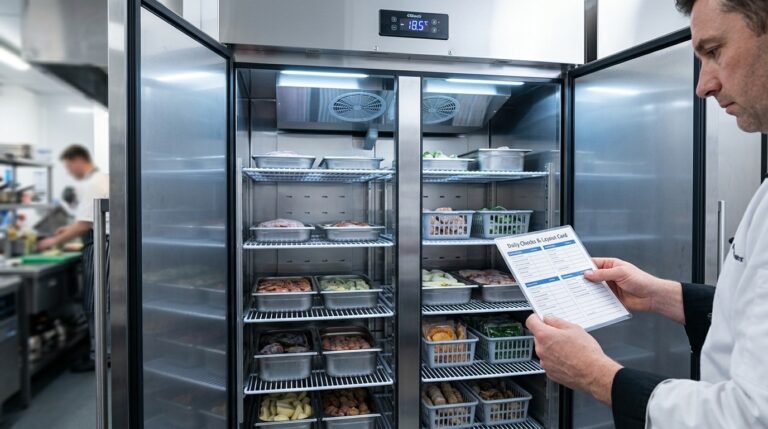
Unifrost F410SS Upright Freezer: Quick Start Guide for Hotels
Get started with the Unifrost F410SS in your Irish hotel. Temperature setup, layout guidance, and quick checks for optimal freezer use.
Read guide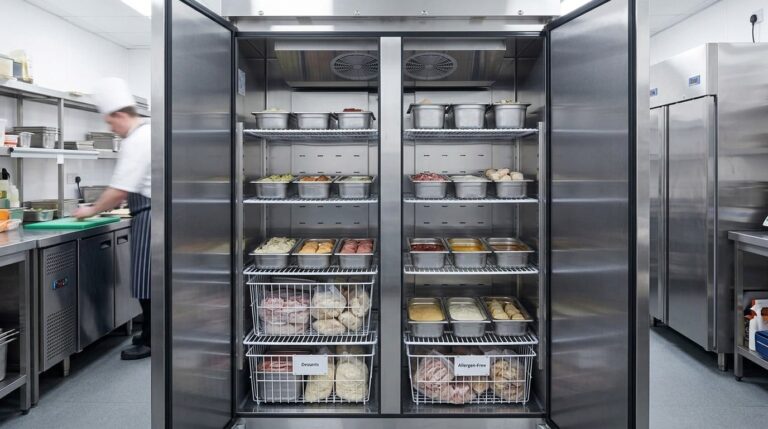
Unifrost F410SS Upright Freezer Planning Guide for Irish Hotel Banqueting Kitchens
Plan your F410SS freezer layout for efficient high-volume banqueting in Irish hotels. Optimize GN pans and workflow.
Read guide