How much ice production and storage capacity do I really need for a busy hospitality venue?
 FAQ
FAQ
Size it from your peak hour, not your quiet day.
Need more detail? For model comparisons, setup steps and troubleshooting, see the related guides below.
Size it from your peak hour, not your quiet day.
Practical ways to estimate demand:
Start with your busiest service window (often 2 to 4 hours) and list the drinks that use ice.
Use simple working numbers: many venues find 1 to 1.5 kg of ice per cocktail service is a reasonable planning allowance, while soft drinks and spirits are typically lower.
Add contingency for warm weather, events and machine downtime (a common target is 20% to 30%).
Then match that to equipment roles:
Ice maker output covers the ongoing daily need.
Ice bin storage covers the peak draw-off at the bar.
Upright freezer space is best reserved for emergency backup bagged ice, especially for weekends and seasonal spikes.
If you regularly run out mid-service, you usually need more storage at the point of use (a larger bin) as much as you need more daily production.
Read the full guide: Unifrost Upright Freezer vs. Ice Storage Bin: Essential Guide for Irish Kitchens.
More help with this question
Compare models, maintenance advice and support information related to this topic.
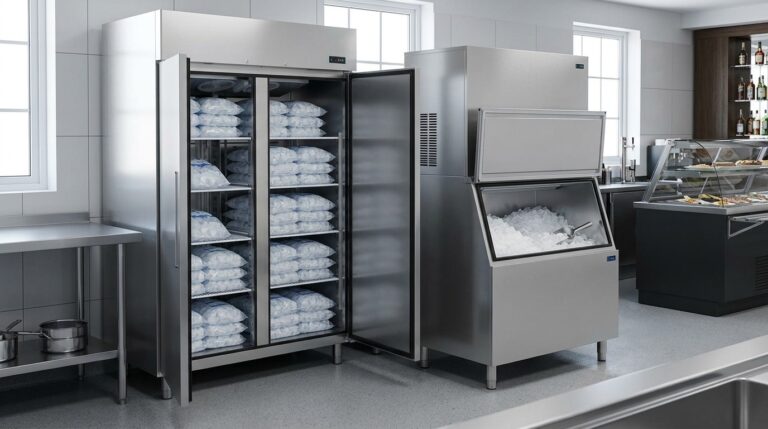
Unifrost Upright Freezer vs. Ice Storage Bin: Essential Guide for Irish Kitchens
Compare Unifrost upright freezers with ice storage bins for effective ice management in Irish commercial kitchens.
Read guide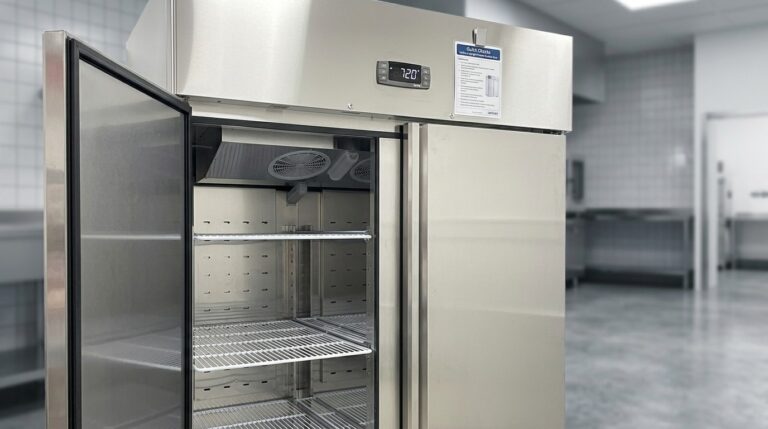
Unifrost Upright Freezer Temperature Controller: New Owner Quick Checks Guide
Essential quick checks for new Unifrost upright freezer owners in Ireland to ensure optimal temperature control.
Read guide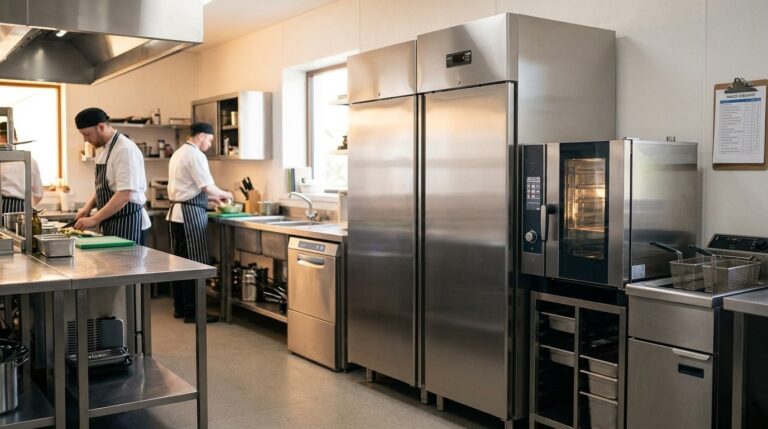
Unifrost F410SS Upright Freezer in Hot Kitchens: Ventilation & Troubleshooting Guide
Optimize your Unifrost F410SS upright freezer in hot Irish kitchens. Learn about ventilation, GN layout, and troubleshooting.
Read guide