What steps should be taken if frequent high-temp alarms occur?
 FAQ
FAQ
Frequent high-temp alarms are usually caused by use patterns or installation conditions before they are caused by component failure. Work through these checks:
Need more detail? For model comparisons, setup steps and troubleshooting, see the related guides below.
Frequent high-temp alarms are usually caused by use patterns or installation conditions before they are caused by component failure. Work through these checks:
Door discipline: confirm the door is not being left ajar during service, and that staff are not holding it open while portioning. Consider assigning one person to “open-close” during busy periods.
Loading and airflow: avoid packing product hard against internal air outlets/returns. Break up dense loads so cold air can circulate.
Hot stock: never load warm product to “freeze it down” in an upright storage freezer. Pre-freeze or use appropriate equipment for rapid chilling/freezing.
Ventilation around the cabinet: ensure the freezer is not boxed in by walls, shelving, or other hot equipment. High ambient temperatures and tight back-of-house spaces commonly drive alarms.
Condenser cleanliness: dust and grease build-up reduces heat rejection and can cause repeated alarms. Add condenser cleaning to a simple monthly schedule.
Cross-check the reading: compare the controller display to a known good probe/thermometer in a consistent location. A persistent mismatch can point to a probe placement or sensor issue.
Alarm settings sanity check: once the cabinet is healthy, set alarm thresholds and delays so they reflect your operation. Overly tight thresholds or a very short delay can cause nuisance alarms.
If alarms persist after the above, collect model and serial details and a note of when alarms occur (time of day, after delivery, after defrost, during service) and then escalate for technical support. This context dramatically speeds up diagnosis.
Read the full guide: Understanding the Unifrost F410SS Upright Freezer: Temperature Alarm Basics for New Owners.
More help with this question
Compare models, maintenance advice and support information related to this topic.
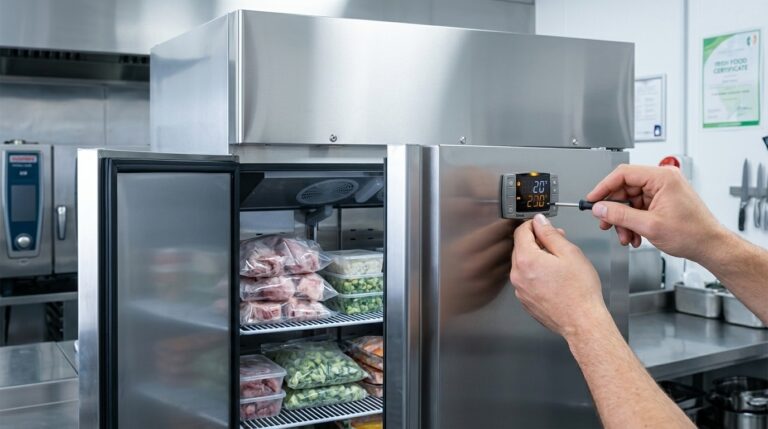
Understanding the Unifrost F410SS Upright Freezer: Temperature Alarm Basics for New Owners
Discover the essentials of managing temperature alarms on your Unifrost F410SS upright freezer for optimal performance in Irish kitchens.
Read guide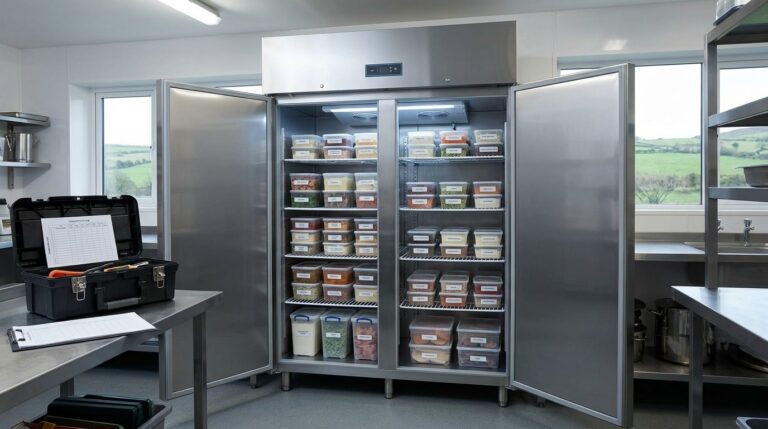
Unifrost F410SS Upright Freezer Guide for Irish Hotels
A practical Unifrost F410SS guide for Irish hotels, covering installation, daily use, maintenance and troubleshooting.
Read guide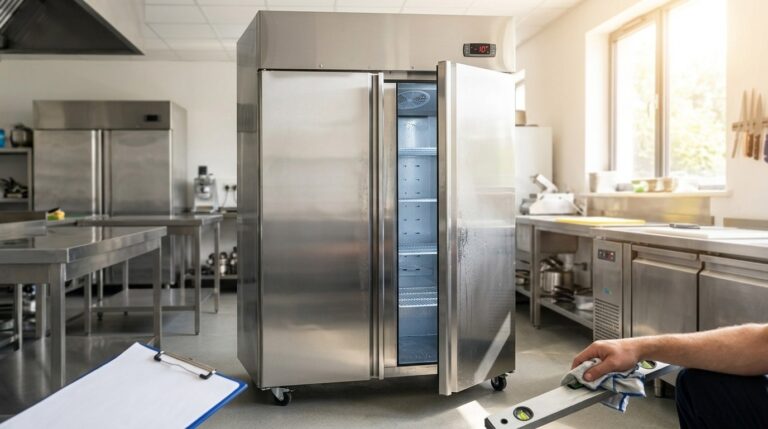
Unifrost Upright Freezer Door Not Closing or Popping Open in Summer: Troubleshooting Guide
Resolve Unifrost upright freezer door issues during Irish summers. Practical troubleshooting for commercial kitchens.
Read guide