
Choosing the Right Unifrost Bottle Cooler for Wine Display in Ireland
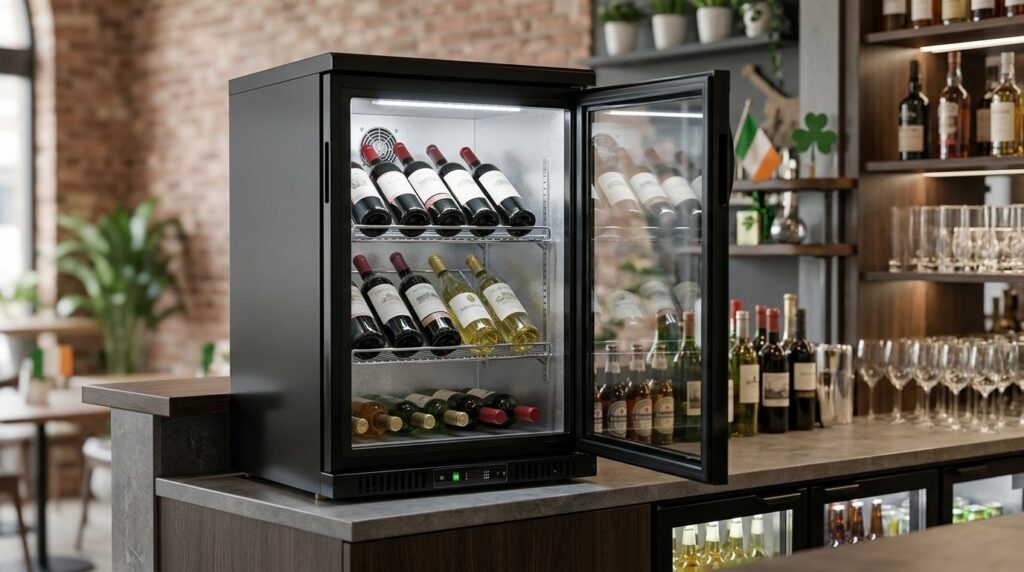
Guide to selecting Unifrost bottle coolers for optimal wine display in Irish bars and restaurants.
Choosing a Unifrost Bottle Cooler for Wine Display in Ireland
If you are searching for a wine cooler Ireland solution for a bar or restaurant, you often discover you do not actually need a dedicated wine-cooler range. Unifrost does not currently list a standalone “wine cooler” family, so the real buying decision is whether a Unifrost Bottle Cooler or a glass-door display fridge is the right fit for your wine list, your service style, and your front-of-house presentation.
On this page you check the practical tradeoffs that matter commercially: how bottle coolers compare with dedicated wine cabinets for temperature control, zoning, vibration and presentation; which common mistakes cause over-chilled wine, warm spots, or misted glass during busy service; and what to look for when matching a Unifrost model and format to your space. You also get a checklist for layout, airflow clearances, loading and shelf setup, plus day-to-day habits that keep wine looking good, pouring at the right temperature, and keeping running costs predictable.
Why Proper Wine Storage is Crucial in Commercial Settings
Proper wine storage matters because temperature swings, bright light and constant door openings change what ends up in the glass. In a busy Irish bar or restaurant, inconsistency shows up fast, especially once you are selling wine by the glass.
From a compliance and day-to-day operations point of view, you also need equipment that can hold a steady setpoint under normal service pressure. The Food Safety Authority of Ireland notes that it is difficult to hold products at a consistent temperature without suitable equipment in place, which is the same reality you are dealing with behind the bar at peak trade (FSAI Safe Catering Pack guidance). Not every venue needs “cellar-perfect” conditions, but you do need repeatable storage and serving temperatures for the wines you actually sell, in the location you plan to use.
Wine quality is a consistency problem, not a niche concern
In commercial service, you are judged on repeatability. If a Sauvignon is too warm at 7pm because the door is opening all night, or a red is sitting at beer-fridge temperatures because it has been kept in a general drinks cooler, guests will notice even if they cannot name the issue.
Reliable storage helps avoid common problems that turn into remakes, refunds, or awkward conversations: muted aromatics from over-chilling, harshness from serving too cold, and tired flavours from sitting too warm for too long. In Ireland, front-of-house temperatures can swing quickly with heating in winter and sun through glass in summer, so placement can matter as much as the unit itself.
It affects margin, wastage, and speed of service
Wine is often a strong-margin category, but it is easy to leak profit through avoidable waste. Poor storage pushes staff into time-wasting fixes during service: rapid icing, running bottles under water, or opening backup stock because what is on display is not in good condition.
It also affects how much working stock you can keep ready to go. If a front-of-house unit runs unevenly because it is overloaded or airflow is restricted, you end up keeping fewer bottles “service-ready”. That means more trips to back-of-house storage and slower pours when you are under pressure.
Front-of-house storage shows in the details guests pick up on
If guests can see the wine storage, it becomes part of their impression of the operation. Fogged glass, harsh lighting, noisy fans, or bottles crammed against the door can signal that details are being missed, which makes premium pours harder to stand over.
Many Irish venues use a commercial bottle cooler or glass-door merchandiser as a practical combined “wine and drinks” solution. That can work well, as long as you are clear on the trade-offs versus a dedicated wine cooler, especially around temperature control, shelving, and how the unit performs when it is being opened constantly during trading.
Comparing Unifrost Bottle Coolers with Dedicated Wine Coolers
Unifrost bottle coolers are a common front-of-house choice in Irish bars and bar-restaurants because they suit mixed drinks service. They are not the same as a dedicated wine cooler. The difference is purpose: bottle coolers are built for general beverage chilling and high door traffic, while wine coolers are built to hold wine at a steadier serving condition for longer.
In practical terms, a bottle cooler tends to prioritise pull-down speed, tough shelving and recovery after repeated opening. A wine cooler typically prioritises steadier temperatures, bottle-friendly racking, and reducing light and vibration. Both can work on a bar floor, but the right choice depends on whether you’re selling wine quickly by the glass, holding premium bottles, or trying to cover both jobs in one cabinet.
How Unifrost bottle coolers and wine coolers compare overall
If wine sits alongside beers, soft drinks and mixers, a Unifrost bottle cooler is usually the better operational fit. It behaves like a commercial drinks fridge, so it copes with constant opening, mixed loads and the knocks of service.
A dedicated wine cooler makes more sense when wine is a key part of the offer and you want tighter control during quieter periods as well as during a rush. That matters most with higher-value bottles, slower-moving stock, or when you want whites and sparkling to be consistently “serve-ready” without staff adjusting settings.
In most Irish venues, the real question is: what format keeps service moving, keeps stock presentable, and avoids the regular complaint that wine is too cold, too warm, or inconsistent across the cabinet?
Unifrost bottle coolers (used for wine)
Unifrost does not currently list a dedicated “wine cooler” family, so the closest match for front-of-house wine chilling and display is typically the Bottle Cooler range (for example BC10HBE, BC20HSE, BC20SBE and BC20). For pubs, bar-restaurants and hotel bars, that can be exactly right when wine is one of several bottled lines and you mainly need chilled whites, sparkling and rosé ready to pull and pour.
The trade-off is control rather than “can it chill wine”. A general bottle cooler is happiest with a sensible load, clear airflow, and a fairly steady usage pattern. Wine is less forgiving if you’re aiming for tight serving temperatures across different bottle shapes and turnover rates, especially when the doors are opening constantly.
Dedicated wine coolers (purpose-built units)
A dedicated wine cooler is designed around wine storage and presentation rather than general beverage turnover. In practice, that usually means wine-specific racking, better management of light exposure, and on some models, zone control so different styles can be held closer to their intended serving range.
If you’re a restaurant with a premium-led wine list, or you regularly hold bottles for more than a few days, that extra focus can reduce the amount of manual “tweaking” during service and help you deliver a more consistent glass.
Which is best for your venue?
Choose a Unifrost Bottle Cooler when bar workflow and mixed stock matter more than wine-specific storage. Choose a dedicated wine cooler when wine quality, control and consistency are central to your offer.
Pick a Unifrost bottle cooler for wine if you need mixed products in the same cabinet, fast access behind the bar, and a unit that will be opened repeatedly during busy service.
Pick a dedicated wine cooler if you carry higher-value bottles, want more precise control over how different wines are held, or you’re hearing that wine is “too cold” or inconsistent.
If you need both, separate the jobs: use a bottle cooler for high-turnover, serve-cold wines and bottled mixers, and keep premium or slower-moving wine in a dedicated wine unit where conditions are easier to keep stable.
Once you’ve picked the right format, the day-to-day difference comes from setup and monitoring: loading patterns, airflow space, and checking that the cabinet is holding a consistent serving temperature during peak service, not just first thing in the morning.
Common Mistakes When Using Bottle Coolers for Wine
Using a standard back-bar bottle cooler as a “wine cooler” often leads to the wrong temperature for the wine style, plus bigger temperature swings during service. The result is usually quality and consistency problems rather than an immediate food safety issue: muted aromatics, uneven serving temperature by the glass, and more wastage once a bottle is open.
In busy Irish bars and restaurants, doors are opened constantly and cabinets get restocked hard. That is exactly why HACCP routines put the emphasis on controlling and checking chilled storage temperatures, not assuming the cabinet is “grand” day to day. The FSAI guidance on temperature control and monitoring is a useful reference point for how you should approach checks and records in practice: <https://www.fsai.ie/food_businesses/haccp/temperature-control>.
Over-chilling because the cabinet is set up like a beer fridge
Back-bar coolers are often set colder to suit mixed bottled drinks. If you run wine at the same setpoint, whites and sparkling can taste tight and muted, and reds can come across harsh.
A practical approach is to use the bottle cooler as service-ready storage for a smaller working selection, and keep reserve stock elsewhere. That way you are not trying to make one temperature suit everything behind the bar.
Overfilling shelves during a busy weekend
When shelves are packed tight, or bottles are stacked hard against the back, cold air cannot circulate. You get warm spots, slower pull-down after restocking, and uneven temperatures across the cabinet.
If you have ever had one bottle pour well and the next pour noticeably warmer from the “same fridge”, poor airflow is usually the reason.
Installing the unit where it cannot ventilate (or where it takes heat all day)
Squeezing a cooler into a tight void, pushing it hard against a wall, or placing it beside a coffee machine, glasswasher, or a sunny window makes temperature control harder at peak trading. The unit will also run longer and can become noisier.
On many Irish bar fit-outs, footprint is the constraint. The fix is planning: allow ventilation space and keep it away from heat sources, rather than expecting the cabinet to fight a losing battle every Friday and Saturday.
Treating front-of-house glass doors as “set and forget”
Frequent opening during rounds, doors left ajar during restock, and slow closing because bottles snag on shelving all drive temperature swings and condensation.
If wine by the glass is a serious part of your sales, the biggest improvement is usually workflow: keep fast movers in easy reach and avoid layouts that encourage long door-open times.
Skipping the maintenance that prevents misted glass and noisy running
Dirty condenser areas, blocked vents, and tired door seals force the cooler to work harder. Over time that shows up as misting, extra heat dumped behind the bar, and more fan or compressor noise in quieter lounge areas.
Keep it simple and consistent: wipe spills quickly, and assign a regular deeper clean and seal check. These units often drift before they fail, and the running cost and performance hit comes first.
A practical checklist that prevents most “wine in a bottle cooler” problems
Set the cabinet for what you are actually serving from it, not for mixed drinks by default.
Leave space for airflow around bottles, especially near internal vents and at the back.
Give the unit proper ventilation and keep it away from heat sources in tight bar counters.
Reduce door-open time by organising shelves around service speed.
Keep seals, vents, and condenser areas clean so it holds temperature without excess noise or misting.
This is why some venues keep bottle coolers for mixed drinks and a small wine selection, while others move to dedicated wine refrigeration when the wine list, price points, and by-the-glass expectations rise. If you are weighing up what suits your bar, it is worth looking at the bottle cooler options on Unifrost.ie and asking for advice based on your layout and service volume.
Adapting Unifrost Coolers for Specific Venue Needs
If you’re using a Unifrost bottle cooler or display fridge as a “wine and drinks” cooler, decide what matters most in your venue: fast service, clear merchandising, or steadier wine holding. Then choose the right format, such as back-bar bottle coolers (for example BC10HBE, BC20HSE, BC20SBE) or glass-door display fridges (for example GDR1000, FDR3). From there, it’s mostly execution: give the unit proper airflow, set shelves up so staff can work quickly, and apply simple stocking rules so bottles cool evenly. Front-of-house refrigeration is working equipment, so plan routine cleaning and ventilation checks. Most complaints, misted glass, noise, “not as cold as it used to be”, trace back to day-to-day operation rather than a mysterious fault.
1. Define the job: service fridge, display, or wine holding
If you run a pub or late bar with heavy peaks, your “wine cooler” is usually a service fridge first. That points you towards a back-bar bottle cooler: quick door access, high stock rotation, and less reliance on long, undisturbed storage.
If you’re a hotel bar, restaurant, or wine-led venue, split the job in two:
Front-of-house display (to sell and guide choice)
Steadier holding for backup stock (so you’re not constantly warming the display unit by loading it during service)
In practice, that often means a glass-door display fridge for “sell” lines, with a bottle cooler or back-of-house refrigeration for reserve stock.
If space forces you into one mixed “wine and drinks” unit, make that decision early and manage it properly. It can work, but only if you’re consistent on loading, setpoints, and what does and does not live in that cabinet.
2. Fit the unit to the room you actually have (access, ventilation, and workflow)
In Irish bar and café fit-outs, undercounter and back-bar units most often run into trouble on access and airflow, not the spec sheet.
Measure the delivery route from kerb to final position, including door widths, turns, and steps.
Plan for future access so you can pull the unit out for cleaning and servicing without dismantling the bar.
Avoid placing any cooler beside heat and steam sources (glasswashers, coffee machines, hot passes) or in direct sun through front windows. You’ll see slower pull-down, warmer cabinet temperatures at peak, and longer run times.
Give the unit the breathing space it needs and keep the ventilation path clear. Cardboard, linens, and “temporary” storage in the void around a cooler becomes permanent surprisingly quickly.
Workflow matters as much as placement. If staff have to cross each other to reach the “wine fridge”, doors stay open longer, shelves get overloaded, and airflow gets blocked. Put your fastest-moving lines (house wines, prosecco) in the easiest-to-reach section to reduce door-open time.
3. Set temperatures and stocking rules for “wine plus mixed bottled drinks”
If you’re using a bottle cooler as a combined wine and bottled drinks fridge, set it up around your busiest service requirement, then protect wine quality with simple rules.
Whites, rosé, and sparkling generally tolerate colder service better.
Reds are more likely to feel over-chilled in a mixed unit, so keep “ready-to-pour” reds in a warmer zone (or off-fridge with a short chill plan) rather than permanently at the coldest point.
Most uneven temperatures come from operator habits:
Shelves packed so tight air can’t circulate
Stock pushed hard against the back wall
Warm deliveries loaded straight into the front-facing section
A practical routine is to chill new deliveries in a quieter section first, then face up the display once product is down to temperature.
If your cooler is also holding any chilled food or dairy-based mixers, keep HACCP straightforward. The FSAI notes that refrigerated food should be maintained at 0–5°C and it’s best to separate food and beverages to avoid confusion in checks and logging. (Source: https://www.fsai.ie/News-and-Alerts/Latest-News/Advice-on-the-importance-of-maintaining-food-tempe)
4. Tune the front-of-house experience (presentation, noise, and heat)
Presentation is not just aesthetics, it affects service speed and how the unit performs.
Use the most visible zone for premium wines and higher-margin lines.
Keep high-volume lines in the quickest-access zone.
In glass-door display fridges, avoid cramming. It looks messy and restricts airflow, which leads to warm spots and longer recovery after busy spells.
Noise and heat output matter in small cafés and cocktail bars where guests sit close to the back bar. Don’t box a cooler into a tight void that traps warm air. If the bar area feels like a warm cupboard, the refrigeration will work harder and be more noticeable.
If one shelf is consistently warmer, it’s usually down to loading patterns, blocked vents, or door-open habits, not “bad wine”.
5. Put a simple maintenance routine in place to prevent misted glass, noisy running, and warm bottles
Front-of-house refrigeration takes a beating: constant door openings, sugary spills, and hands on the glass. Keep the routine simple enough that it actually happens:
Wipe door seals and handles daily
Clean spills immediately
Keep the cabinet free of loose labels and foil that can block vents
Misted glass and water pooling are early warnings. Check doors are closing cleanly, seals are intact and clean, and nothing is preventing the door from shutting fully (bottle necks, misaligned shelves).
“Noisy” and “not as cold as it used to be” often comes back to restricted airflow and dusty ventilation areas. Schedule regular cleaning around the ventilation path and keep the surrounding void clear.
Finally, treat temperature checks as an operational control, not a box-ticking exercise. A quick log that includes a busy period (for example Friday night service) tells you far more than a quiet mid-morning reading, and helps you decide if you need a dedicated wine unit or if better setup and routines will get what you need from a bottle cooler or display fridge.
Practical Steps for Optimal Wine Display and Storage
Start by being clear what the cabinet is meant to do in your operation: fast service stock, customer-facing display, or a bit of both. Then set it up to suit bar flow, not idealised serving charts. Keep airflow clear, give the unit enough space to reject heat, and build a simple routine for temperature checks and cleaning so you avoid warm spots, misted doors, and noise. Finally, check it under real conditions. A cabinet that behaves perfectly at 3pm can struggle at 9pm with constant opening and a busy bar.
1. Define the job: display, service stock, or holding buffer
If you’re using an undercounter or back-bar Unifrost bottle cooler as a “wine fridge”, decide whether it’s mainly:
a grab-and-go service cabinet (speed and recovery matter), or
a display and upsell point (presentation, lighting, clean glass matter).
In most Irish bars, you’ll get the best results treating it as a high-turnover service fridge for whites, rosé and sparkling, with a small feature section for premium bottles. It’s rarely the right tool for long-term storage or ageing.
This is also where you decide if it’s wine-only or mixed drinks. Mixed use is common, but it affects shelf layout and makes tight temperature zoning harder to maintain.
2. Set a temperature plan that matches service, not theory
Write down what “ready to serve” means for your team. Which wines must be ready to pour immediately, and which can be finished with an ice bucket or a short chill elsewhere.
Build temperature checks into your routine as part of your HACCP controls. Cold-holding checks and monitoring are standard due diligence in Ireland, and the FSAI sets out expectations around HACCP and temperature control in its guidance: <https://www.fsai.ie/enforcement-and-legislation/legislation/food-legislation/haccp>.
If you’re storing wine alongside mixed bottled drinks in the same cabinet, prioritise stability and recovery during service. A steady setpoint and good pull-down after door openings usually protects quality better than constant setpoint tweaking.
3. Load and shelf it for airflow, bottle security, and speed
Most back-bar temperature complaints come down to loading and airflow. Overpacking and blocking air paths is how you end up with a “cold front, warm back” cabinet, especially in a busy bar.
Set it up once, then keep it consistent:
Leave clear gaps for airflow, particularly at the back and near internal air outlets.
Keep fast-moving lines at the easiest grab height to reduce door-open time.
Avoid unstable stacking that can shift when staff are moving quickly.
Face premium labels forward in the best-lit zone, but don’t hide extra rows behind if it restricts airflow.
Separate still and sparkling so staff aren’t rummaging mid-service.
4. Position it like commercial equipment, not furniture
Front-of-house cabinets get punished if they’re treated like décor. Keep the unit:
out of direct sun,
away from radiant and waste heat (glasswashers, dishwashers, coffee machines, hot lamps),
out of tight dead-air corners where heat builds up behind the bar.
Also factor in Irish site realities. If doors can’t open fully, or the team can’t get access to clean around it, performance and hygiene will slide quickly.
5. Make the display do a job: sell what you can serve well
A cabinet that looks great but is constantly being raided for mixed drinks turns into a messy, half-empty display and slows service.
Pick a small number of “hero” wines you can keep consistently in stock. Merchandise them like a simple menu: sparkling and crisp whites where customers can see them, with reds as a secondary feature unless you’ve a clear plan for red service.
If you’re using a glass-door merchandiser for visibility, keep it tight: fewer SKUs, cleaner sightlines, and clear pricing so customers can decide quickly at the bar.
6. Run a tight routine to prevent misted glass and noisy operation
Front-of-house units show problems fast because they’re opened constantly in warm, humid air.
Keep it simple:
Clean door seals and frames regularly. Dirt and stickiness leads to poor sealing and misting.
Wipe spills and label residue early to prevent odours.
If misting is persistent, reduce door-open time where you can and keep gaskets clean and dry.
Schedule a basic monthly clean of accessible intake areas, and a deeper clean around the refrigeration system at a frequency that matches your dust levels and trading volume. The goal is boring reliability: steady temperature, clear glass, and no surprise noise complaints at the bar.
Done properly, this setup also helps you judge whether a bottle cooler suits your wine offering, or whether you’re asking a general drinks cabinet to do a dedicated wine job.
Wine Cooler Ireland: FAQs for Using Unifrost Bottle Coolers for Wine
What temperature should red, white, and sparkling wine be stored at in a cooler?
For service-ready storage in a cooler, these are the most practical targets:
Red wine: store around 12 to 16°C (lighter reds towards the lower end). If it’s kept colder for space or speed, bring it up to serving temperature in the glass.
White wine: store around 7 to 10°C for crisp styles, up to 10 to 12°C for fuller-bodied whites.
Sparkling wine: store around 5 to 7°C so it pours cleanly and stays lively.
If you’re using a single-zone Unifrost bottle cooler for a mixed wine list, a common compromise is about 8 to 10°C, then temper reds briefly before serving.
How do Unifrost bottle coolers handle energy consumption compared to wine coolers?
Unifrost bottle coolers are designed for high-turnover drinks service (doors opened frequently, quick pull-down, front-of-house display), so energy use is mainly driven by how they’re operated rather than the “wine cooler” label.
In practice, energy consumption is most affected by:
Setpoint: Running very cold costs more. For wine display, avoid over-chilling and set the controller to the warmest temperature that still meets your serving needs.
Heat load and door openings: Busy bar service, warm stock going in, and frequent opening will increase run time.
Placement and airflow: Poor ventilation forces the system to work harder.
Night-time routine: Close the door properly, don’t leave it propped during clean-down, and avoid loading warm deliveries right before peak service.
If you need long-term cellaring conditions (very stable temperature, low vibration focus, and humidity control), a dedicated wine cooler may suit better. If your goal is reliable, presentable, front-of-house wine-by-the-glass storage, a Unifrost bottle cooler is often the more practical option for Irish bars and restaurants.
What installation clearances are needed for optimal performance of Unifrost coolers?
For Unifrost coolers to perform consistently, plan for unrestricted airflow to the condenser area and avoid trapping heat.
Practical guidelines:
Do not box the unit in unless it’s explicitly designed for that use. Bottle coolers are typically freestanding/undercounter in open airflow, not fully integrated.
Leave breathing space around ventilation grilles (rear or front depending on model) and keep those grilles clear of dust and obstructions.
Keep the cooler away from heat sources (ovens, dishwashers, direct sun, hot beer lines, radiators) and don’t site it in a tight corner where hot air can’t escape.
Allow enough room for door swing, routine cleaning, and pulling the unit forward for maintenance.
Because clearance needs can vary by model, the safest approach is to check the specific Unifrost product listing and manual for the unit you’re considering and follow the stated ventilation requirements.
Next step: Choose a Unifrost bottle cooler for wine display
If you’re searching for a wine cooler in Ireland but want a unit that’s proven in busy bars and restaurants, Unifrost Bottle Coolers are often the closest match for front-of-house wine storage and display.
You can compare sizes and formats here: Browse Unifrost bottle coolers.
Related Unifrost guides
Compare models, maintenance advice and support information related to this topic.
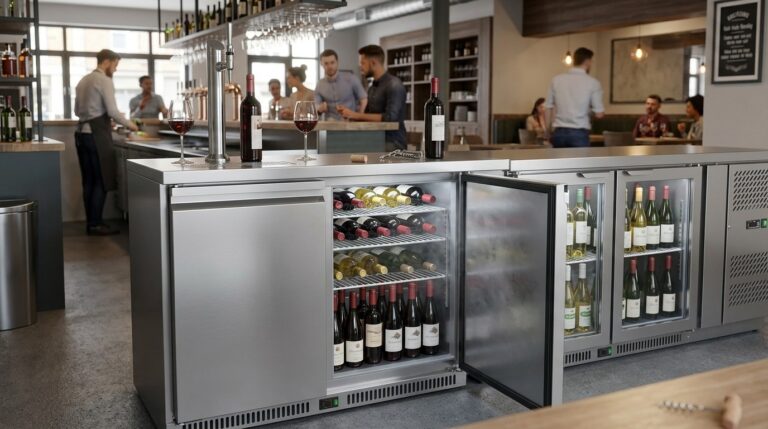
Optimizing Your Small Wine Storage: Unifrost Bottle Coolers in Focus
Discover how Unifrost Bottle Coolers serve as practical alternatives to small wine fridges in Irish hospitality settings.
Read guide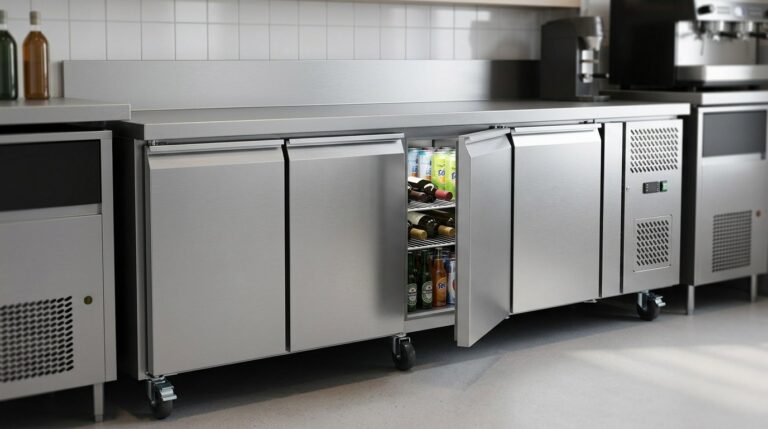
Choosing the Right Unifrost Solution: Under Counter Wine Fridge Alternatives
Explore Unifrost's bottle coolers and undercounter fridges as alternatives to under counter wine fridges for bars and restaurants.
Read guide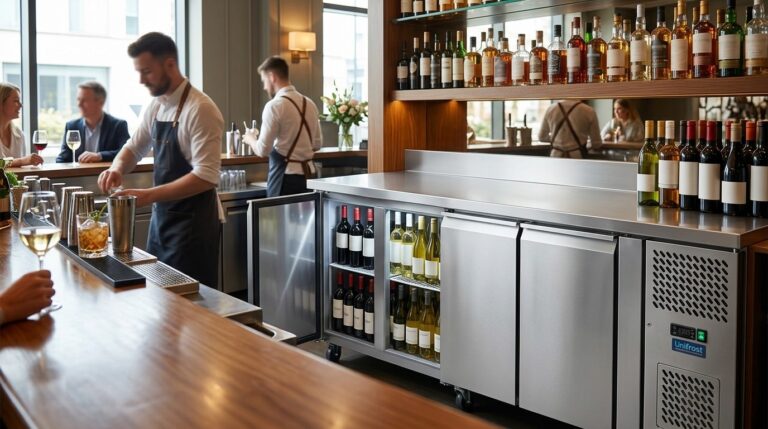
Unifrost Wine Storage Solutions for Hospitality
Explore Unifrost options for wine storage in Irish hospitality venues using Bottle Coolers and Glass Display Fridges.
Read guideView Unifrost bottle coolers at Caterboss
For current product options, pricing and availability, continue to Caterboss.