Why choose an upright commercial freezer like the Unifrost F410SS over a chest freezer for an Irish commercial kitchen?
 FAQ
FAQ
An upright like the F410SS is usually the better fit when speed, organisation, and HACCP control matter more than pure bulk storage.
Need more detail? For model comparisons, setup steps and troubleshooting, see the related guides below.
An upright like the F410SS is usually the better fit when speed, organisation, and HACCP control matter more than pure bulk storage.
Faster service access: shelves and GN-compatible storage let you grab by section without unloading the top layer.
Better stock rotation: you can zone by allergen, day dot, or menu section and keep FIFO visible at a glance.
Cleaner workflow in tight kitchens: the door swing footprint is often easier to plan than the “lid-up plus reach-in” working space a chest freezer needs.
Less time with the freezer open: quicker picks mean less warm air ingress, which matters in Irish kitchens that regularly hit peak ambient temps during service.
A chest freezer can still win for back-of-house bulk holding where it’s opened less frequently, but for banqueting, prep, and cookline support, an upright typically reduces handling time and temperature recovery stress.
Read the full guide: Unifrost F410SS Upright Freezer in Hot Kitchens: Ventilation & Troubleshooting Guide.
More help with this question
Compare models, maintenance advice and support information related to this topic.
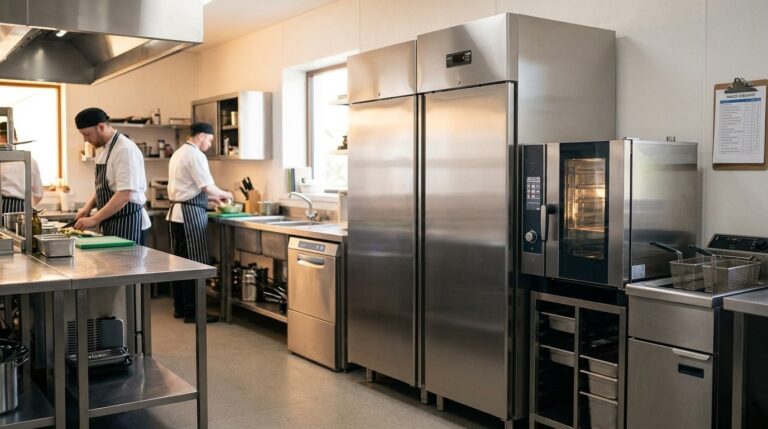
Unifrost F410SS Upright Freezer in Hot Kitchens: Ventilation & Troubleshooting Guide
Optimize your Unifrost F410SS upright freezer in hot Irish kitchens. Learn about ventilation, GN layout, and troubleshooting.
Read guide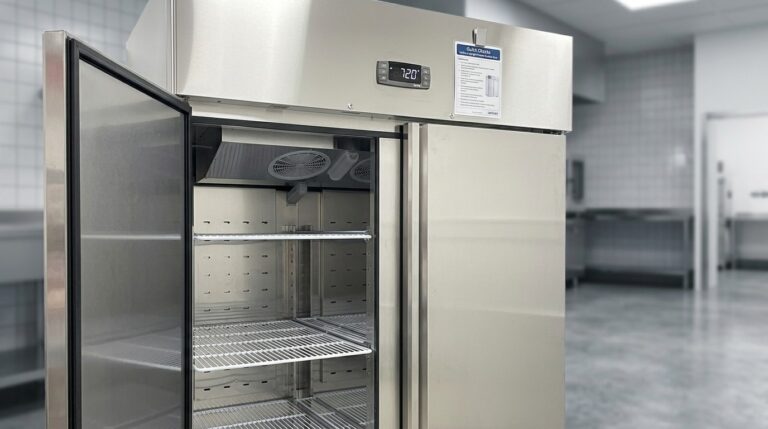
Unifrost Upright Freezer Temperature Controller: New Owner Quick Checks Guide
Essential quick checks for new Unifrost upright freezer owners in Ireland to ensure optimal temperature control.
Read guide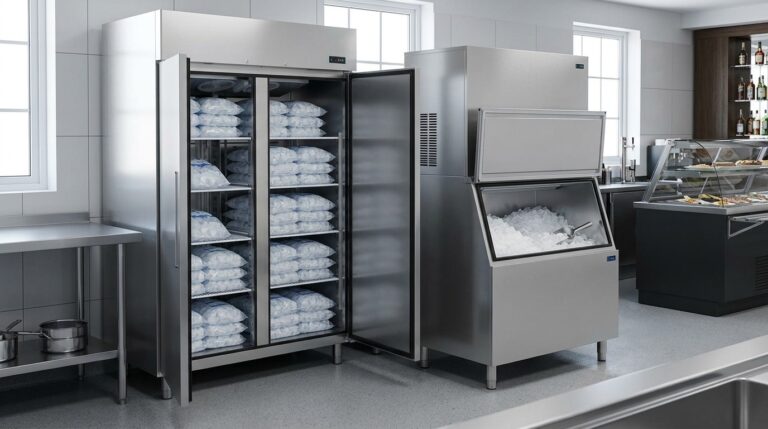
Unifrost Upright Freezer vs. Ice Storage Bin: Essential Guide for Irish Kitchens
Compare Unifrost upright freezers with ice storage bins for effective ice management in Irish commercial kitchens.
Read guide